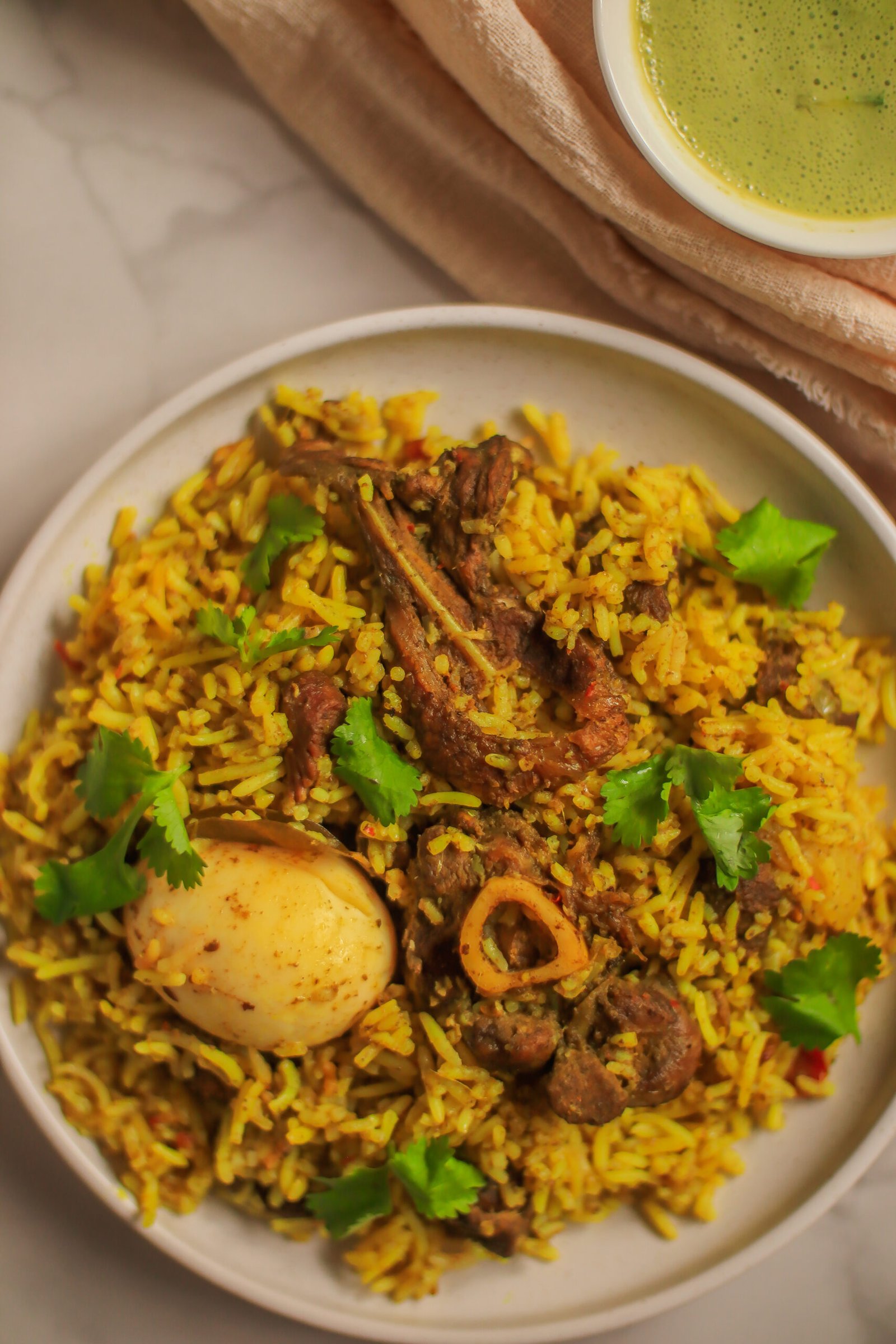
Green Mutton Biryani
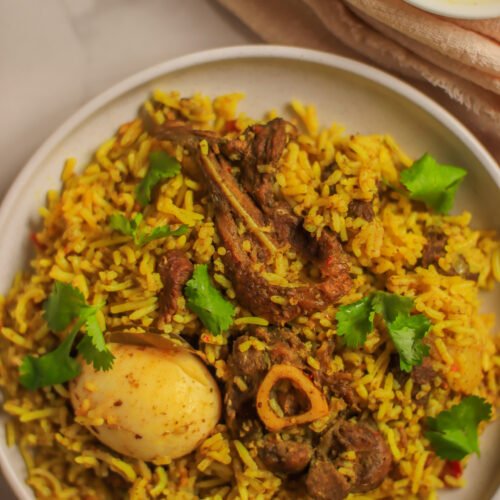
Growing up, the smell of this biryani meant something good was happening. A celebration, a family gathering, a Sunday where nobody was in a hurry. My family’s version has always used a freshly blended green paste – chillies, mint, coriander, and curry leaves, instead of a dry masala rub. It’s what gives this green mutton biryani its vibrant colour and that deep, herbaceous flavour that I’ve never found in any other recipe.
It takes time. It’s meant to. But every step, every hour of slow steaming is worth it when you lift that lid and the whole kitchen fills with the smell of biryani.
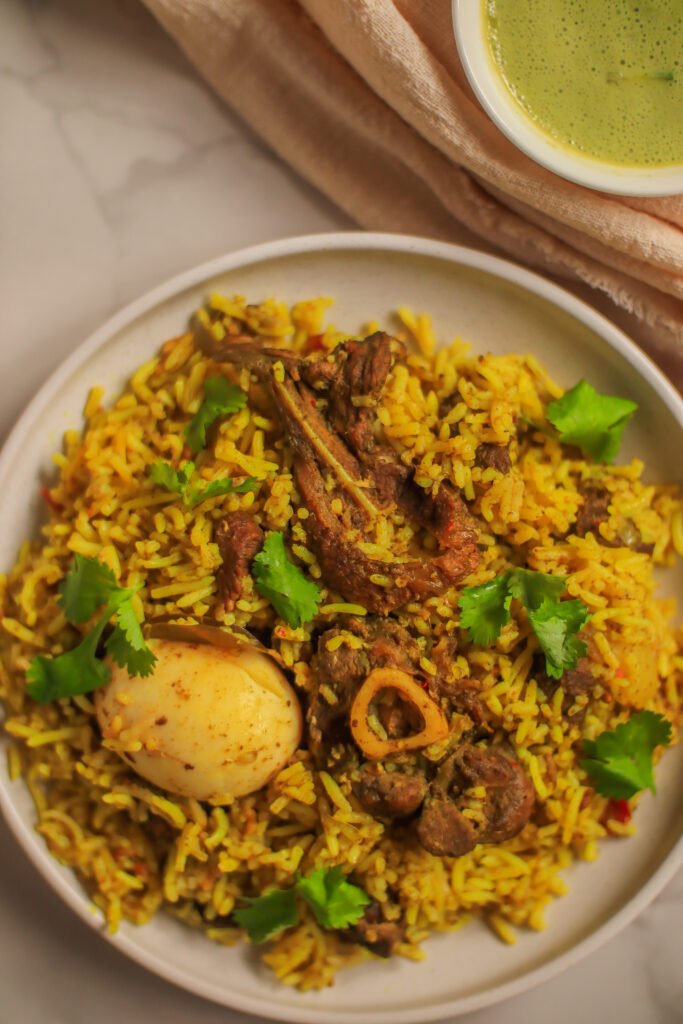
Why You’ll Love This Green Mutton Biryani
- The green herb paste changes everything: Blending fresh chillies, mint, coriander, and curry leaves into a marinade infuses the mutton with a flavour that no dry masala can replicate. It;s vibrant, aromatic, and deeply satisfying.
- No water needed: The mutton and maas release all the liquid the pot needs. Trust the process and resist adding water.
- Durban-style, all the way: Maas, potatoes, boiled eggs, and the steam method. This is biryani the way it’s always been made in my Durban home.
- Better the next day: Like all great biryanis, leftovers are arguably even better once the flavours have had time to settle overnight.
- A dish worth the effort: This isn’t a weeknight meal. It’s the kind of recipe you make when the occasion deserves it and everyone at the table will know it.
Ingredients
The Green Marinade
Fresh green and red chillies: These two work together as the base of the paste. The green chillies bring the heat and that signature vibrant colour, while the red chillies deepen it slightly and add complexity. Reduce the chillies if you prefer it milder.
Fresh mint leaves: Brings cooling contrast to the chilli heat. Fresh only. Dried mint won’t work here.
Fresh dhania / coriander: Earthy, citrusy, and essential. Use the leaves and stems.
Fresh curry leaves: Scrunch them lightly before blending to release their fragrance and oils.
Lukewarm water: Helps bring the paste together smoothly.
The Mutton and Spices
Mutton: My family uses B-grade mutton for this green mutton biryani, but you can use whatever cut you prefer. Just monitor the cook time as it will vary depending on the cut.
Maas (medium cream): Tenderises the meat and adds a gentle tang. It also releases moisture as it cooks which is why you don’t need to add water. Full-fat plain yoghurt can also work as a substitute.
Onions: Soften into the base and add sweetness to the gravy.
Tomatoes: Breaks down during cooking and add acidity that balances the richness.
Fresh curry leaves: Added directly to the pot for extra fragrance in the gravy.
Vadouvan: A French-inspired South Indian spice mix made with roasted shallots, garlic, cumin, coriander, fenugreek, and curry leaves. It adds a warm, mellow depth to the base but can be left out if you can’t find it.
Turmeric: Adds colour and a subtle earthiness.
Garlic cloves: Use fresh crushed garlic, not paste. The flavour is noticeably different here.
Coarse salt: Season at every stage. Biryani needs confident seasoning throughout.
Margarine: Adds richness to the biryani. Butter works too.
Vegetable oil: Used alongside the margarine to prevent burning.
Small potatoes: A non-negotiable in biryani. They sit on top of the mutton and absorb all the flavour from the spices.
Garam masala: Added later in cooking to preserve its fragrance.
Ginger and garlic paste: Works alongside the fresh crushed garlic for a more rounded, layered flavour.
The Rice
Basmati rice: I used long-grain basmati. It stays light and fluffy and holds up beautifully to the steam.
Coarse salt: Season the water well. Bland rice will let the whole dish down.
Cinnamon stick: Adds warmth and gentle fragrance to the rice as it boils.
Turmeric: Gives the rice its golden colour.
Boiled Eggs
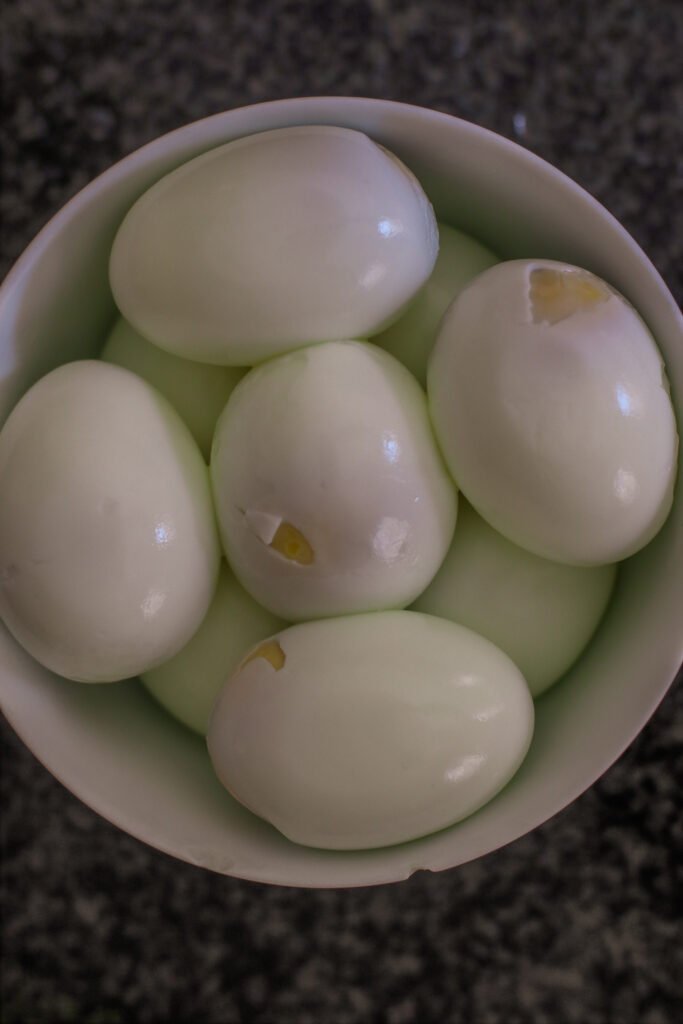
Eggs: They tuck into the layers beautifully and adds extra protein.
Bicarbonate of soda: Add this to the boiling water as it makes the eggs peel significantly more easily.
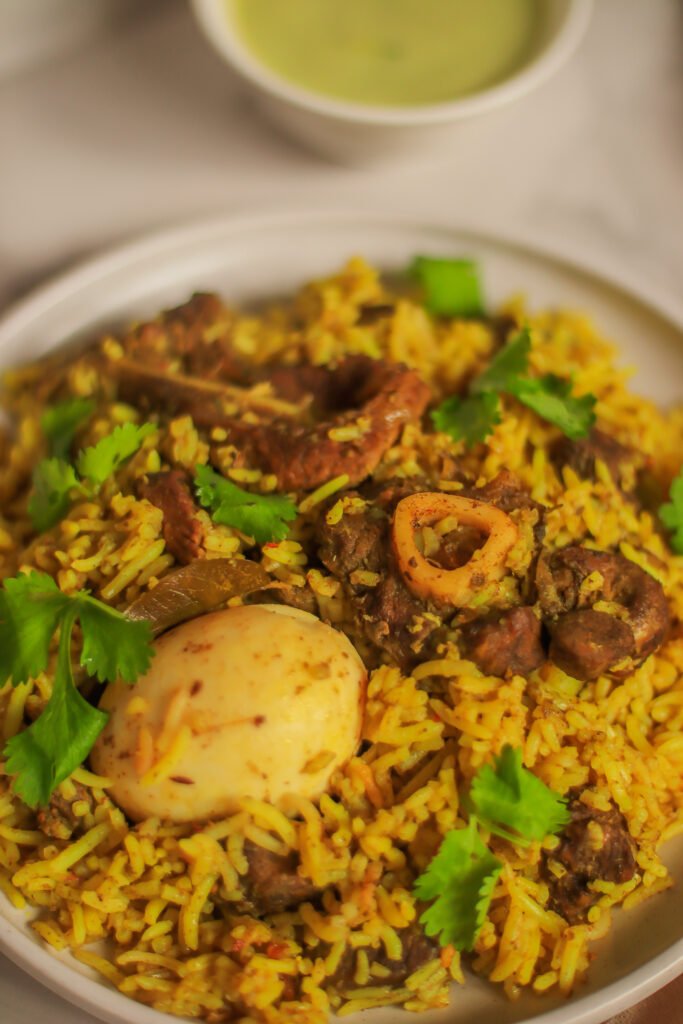
How to Make Green Mutton Biryani
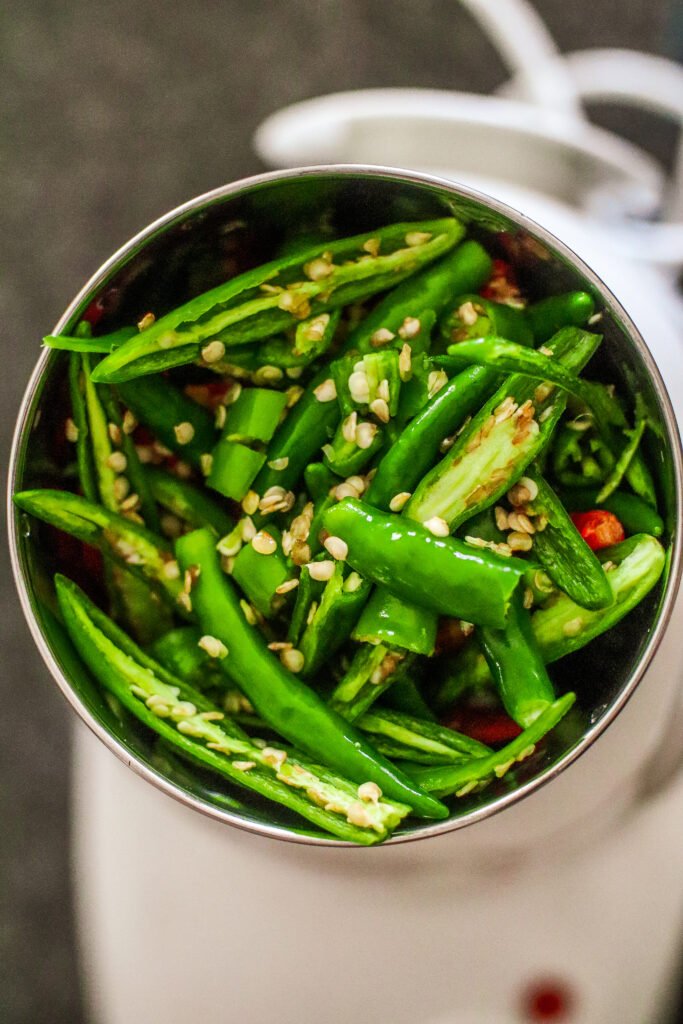
Step 1: Make the Green Marinade
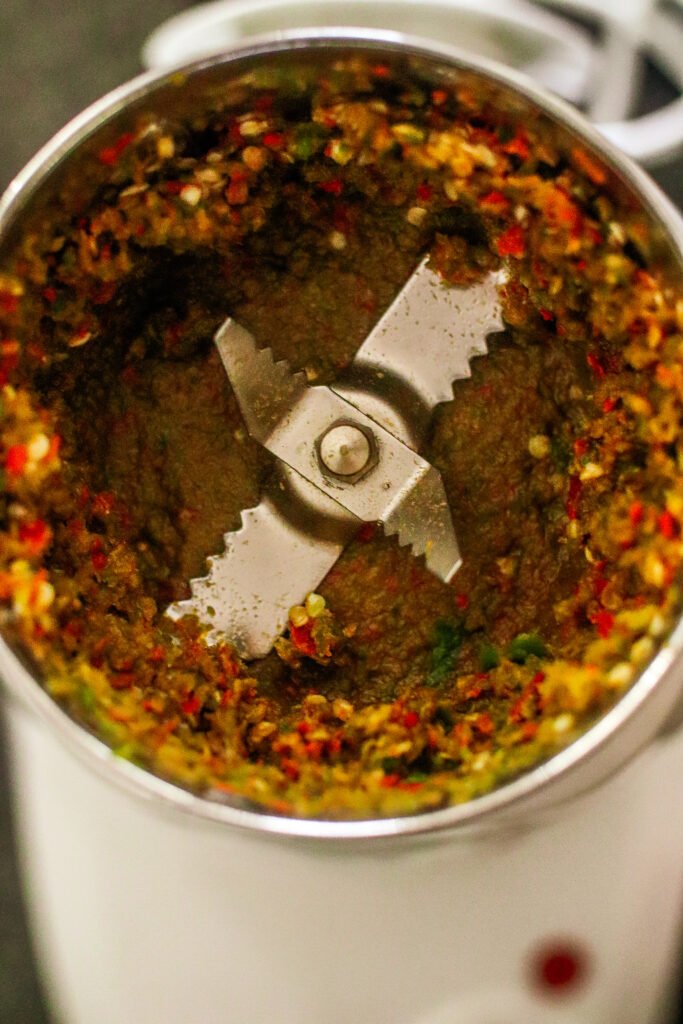
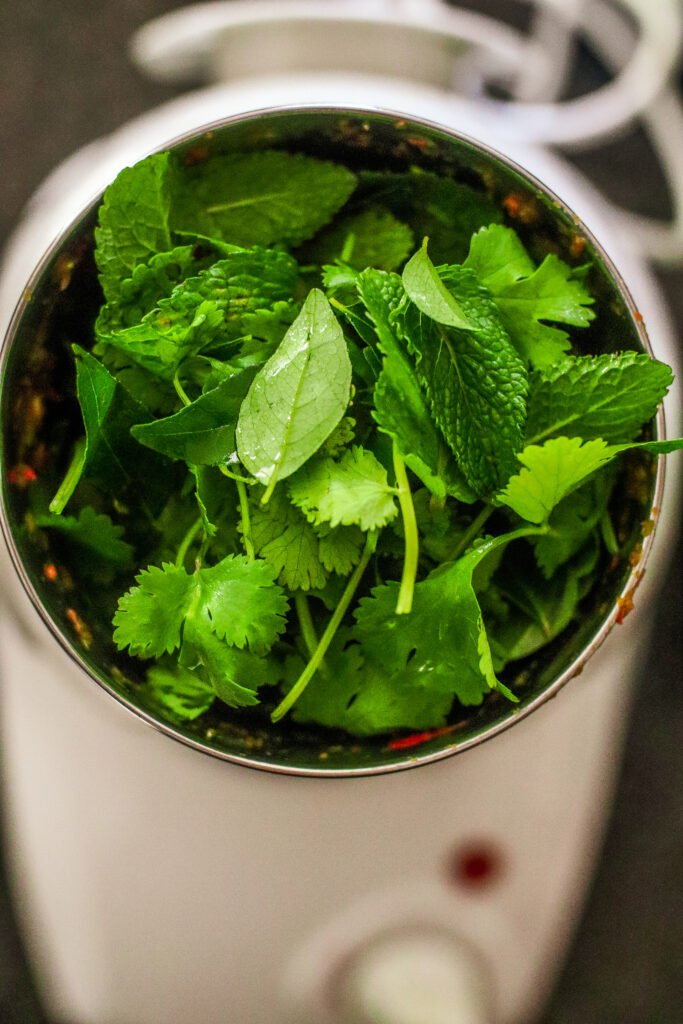
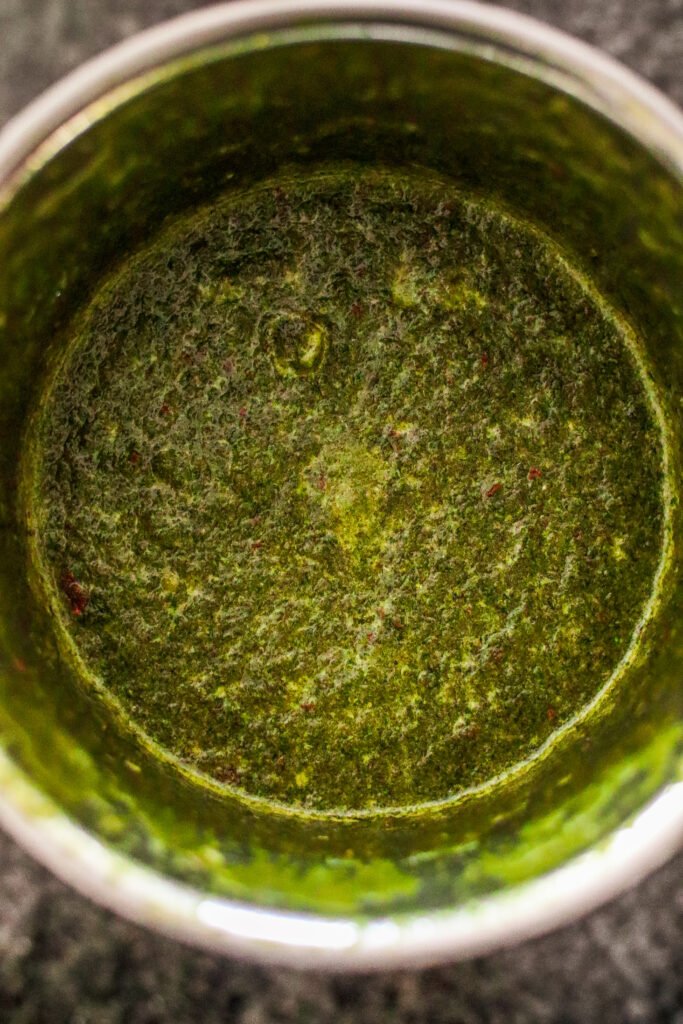
Add the green and red chillies to a blender and blend until fine. Then add the mint, coriander, curry leaves, and water and blend everything together until you have a smooth, vibrant green paste. Set aside.
Step 2: Boil the Eggs
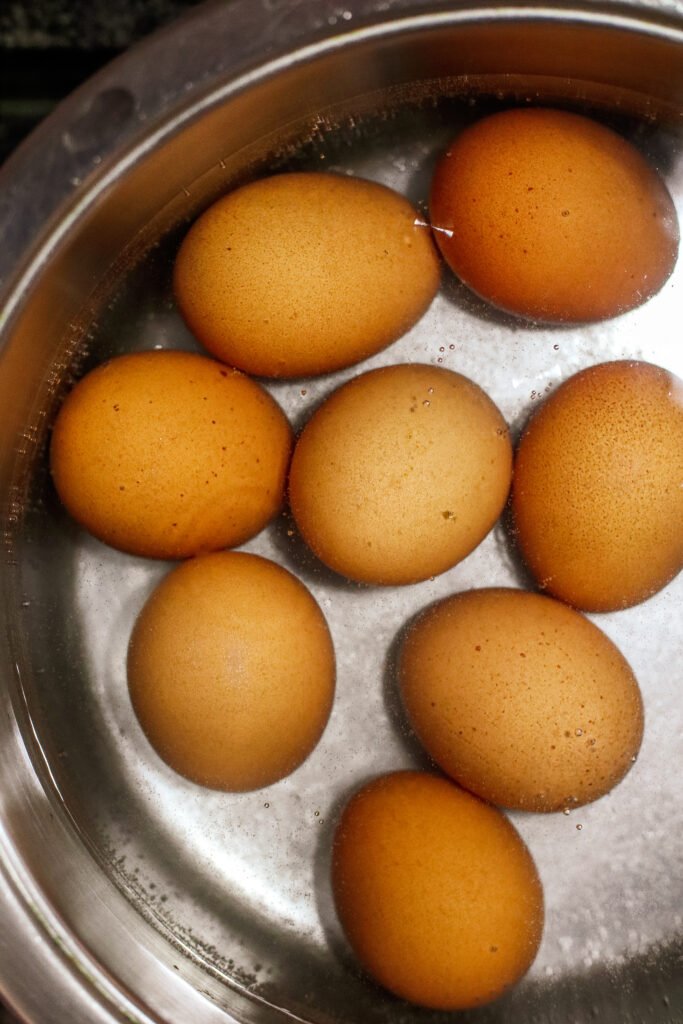
Bring a pot of water to a boil and add the bicarbonate of soda. Gently lower the eggs in and boil for 8 minutes. Transfer to cold water to stop the cooking, then peel and set aside.
Step 3: Cook the Rice
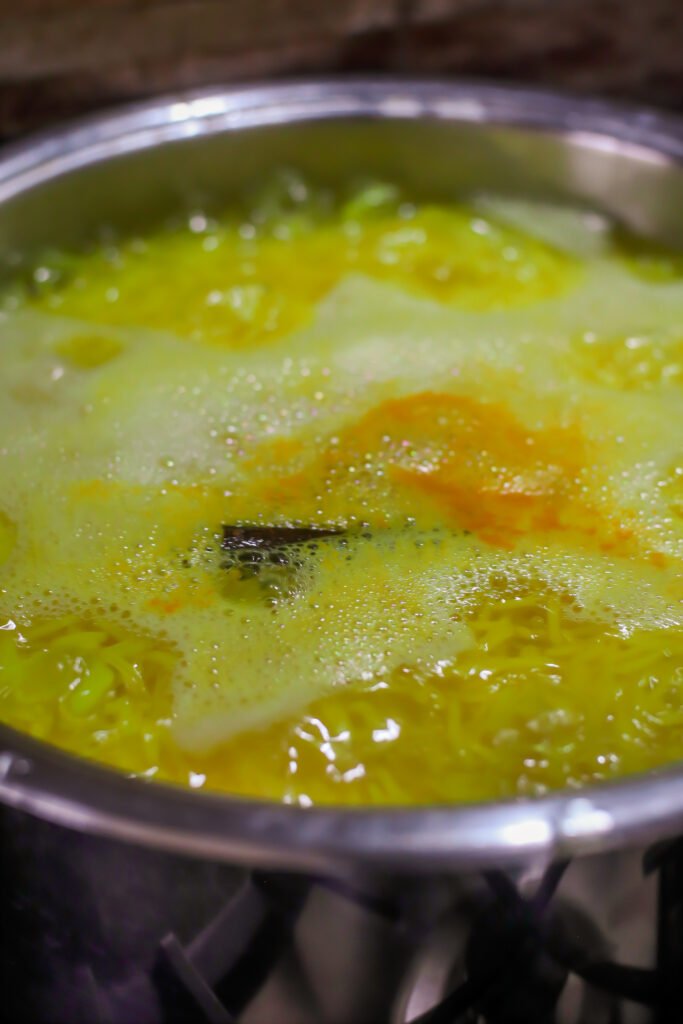
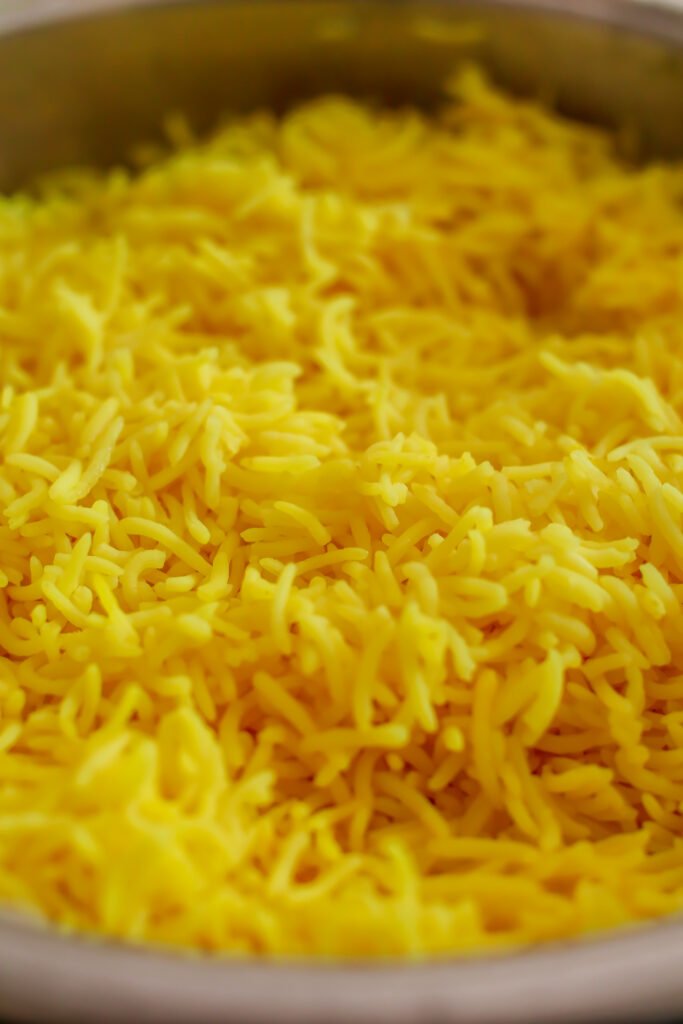
Wash the rice under cold water until the water runs clear to remove the excess starch. Then transfer to a large pot with plenty of water, add the turmeric, salt, and cinnamon stick, and bring to a boil. Cook until the rice is fully cooked and fluffy, about 45 minutes, then drain and set aside.
Step 4: Marinate the Mutton
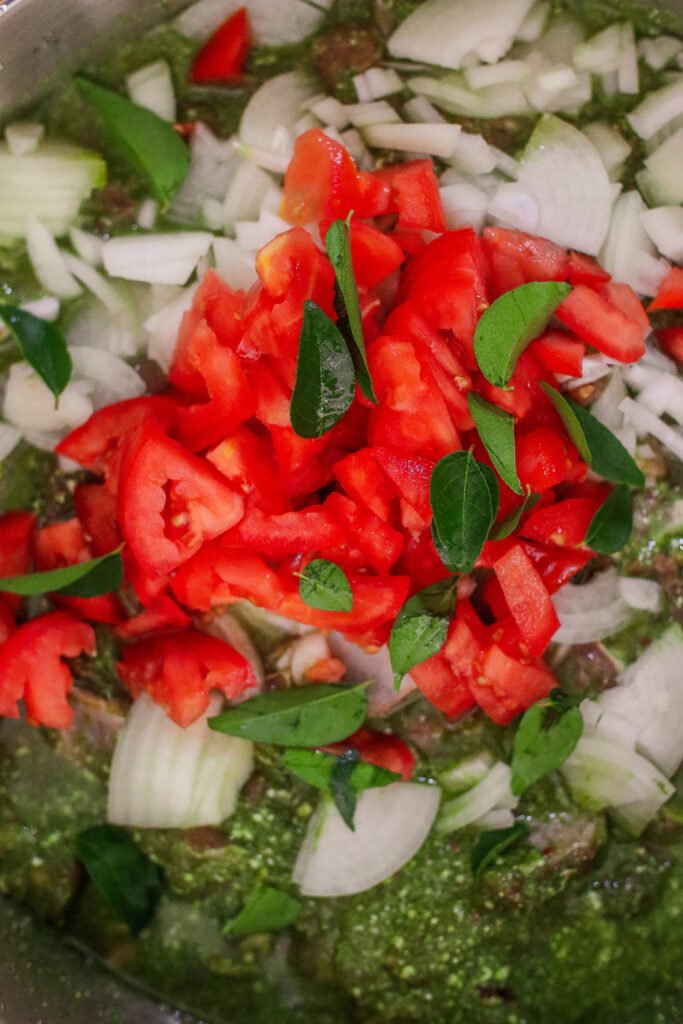
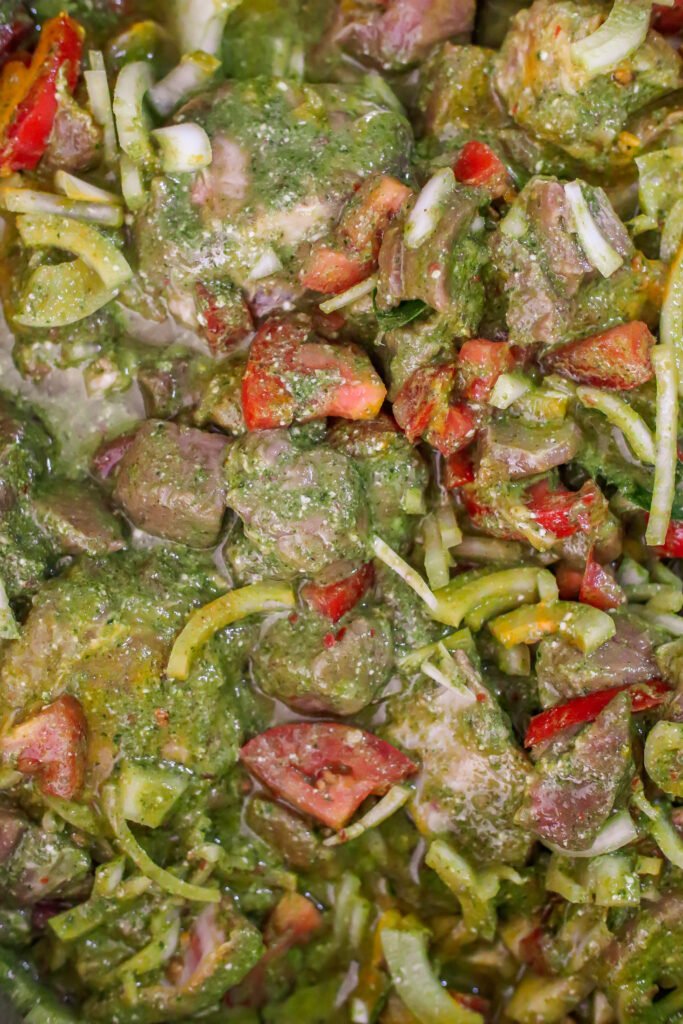
In a large pot, combine the mutton with the maas, green marinade, onions, tomatoes, and scrunched curry leaves and mix well. You can cook immediately or leave it to marinate for an hour, but if you have the time, cover and refrigerate overnight.
Step 5: Cook the Mutton
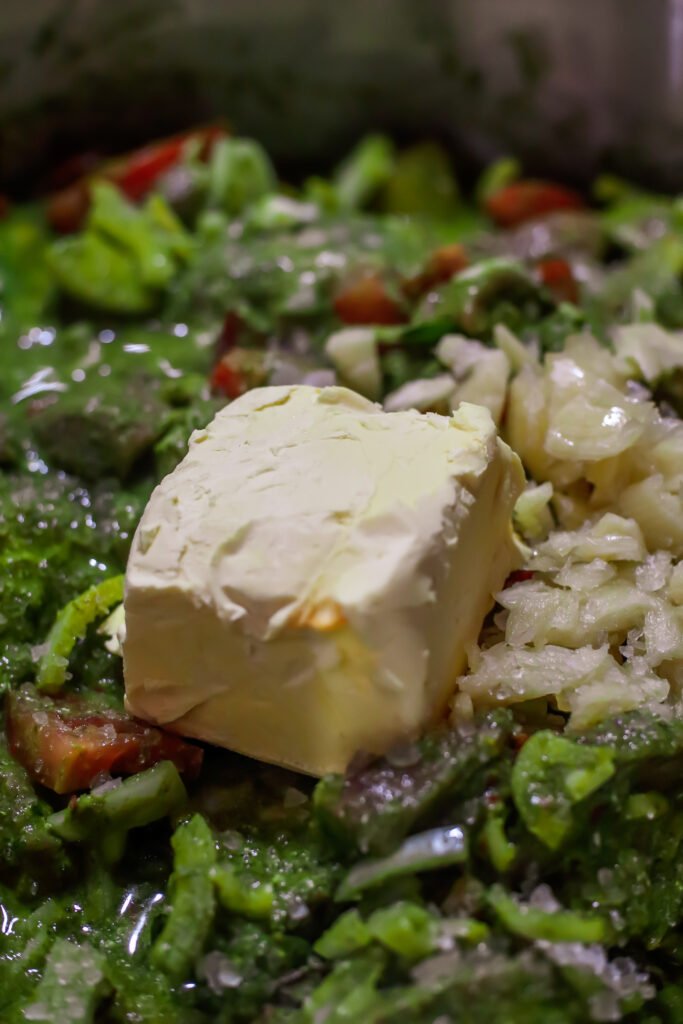
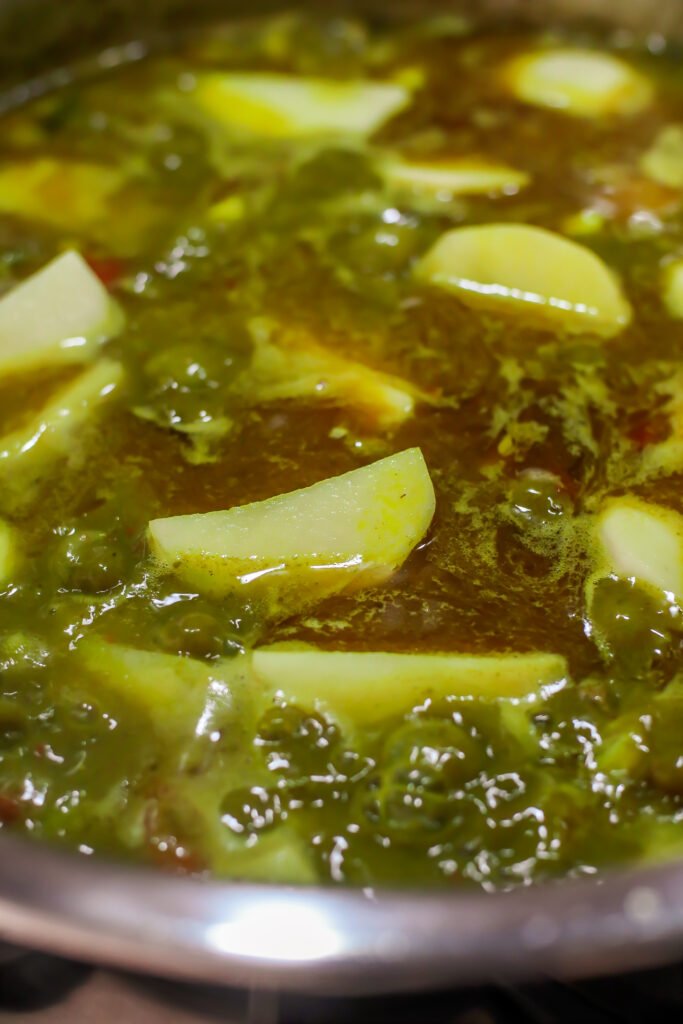
Add the vadouvan, turmeric, crushed garlic, salt, margarine, garam masala, ginger and garlic paste, and vegetable oil directly over the meat. There is no need to add water, the mutton and maas will release their own liquid as it cooks. When the mutton is about halfway done, place the sliced potatoes on top. Don’t stir them in, just let them sit in the gravy until cooked through. Continue cooking until the mutton is fully tender.
Step 6: Combine the Rice and Mutton
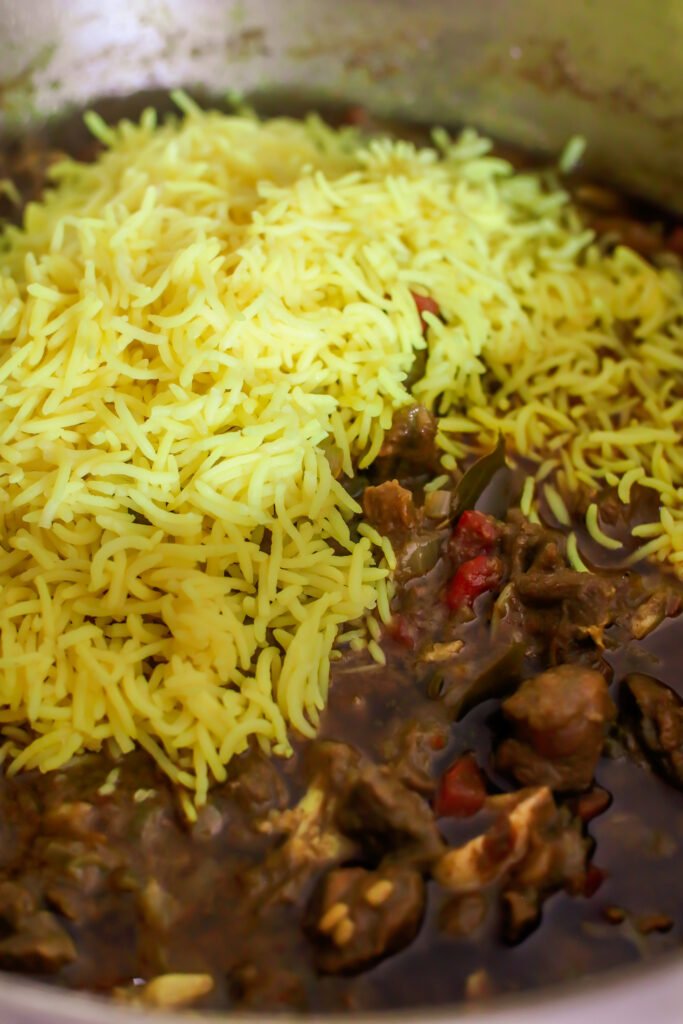
Add the cooked rice directly into the pot with the mutton and gently fold everything together until the rice and mutton are combined. Tuck the boiled eggs in as you mix. If you prefer a layered look for serving, you can finish with a layer of rice on top.
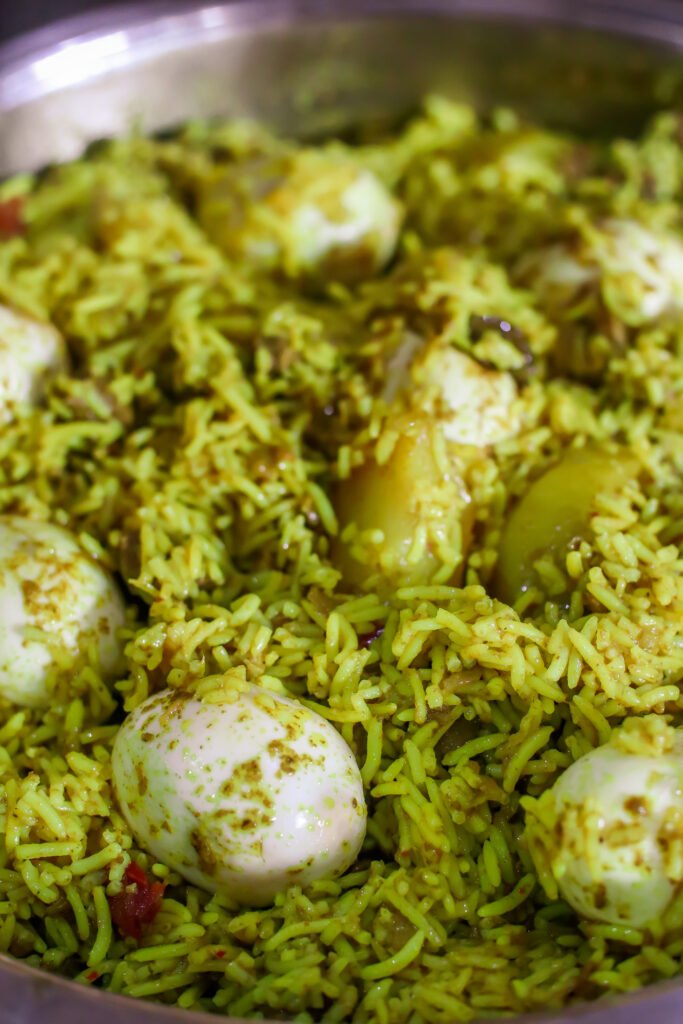
Step 7: Steam
Place a few pieces of margarine on top of the rice and cover the pot by placing the lid firmly on top – you want no steam escaping. Put it on the lowest heat on your stovetop to prevent burning. Alternatively, you can place the pot into a preheated oven at 180°C – just make sure your pot is oven-safe before you do this, as not all pots can go in the oven. Either way, leave it for an hour to steam and don’t lift the lid.
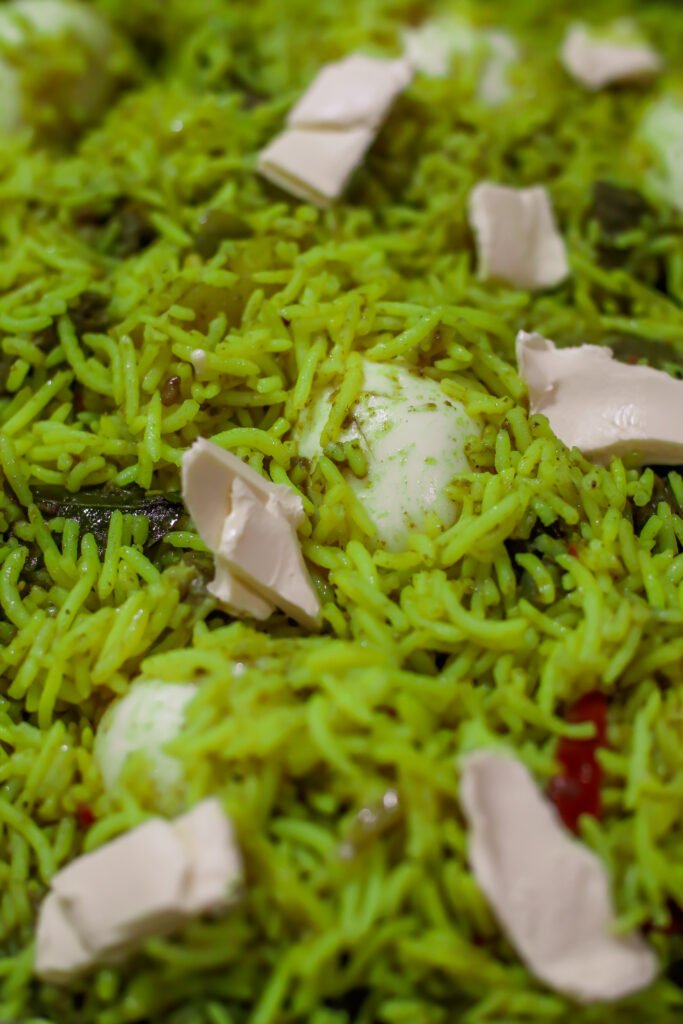
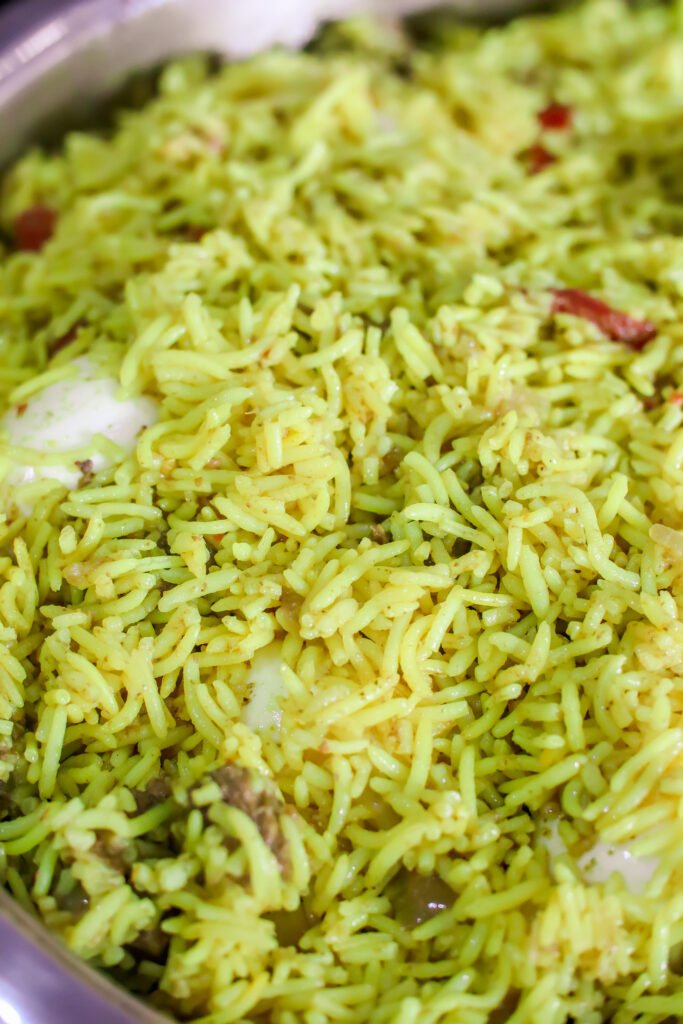
Step 8: How to Serve
This biryani is a full meal on its own – honestly, you don’t need anything else. But if you’re serving a crowd, these sides make it even better:
- Raita: A simple cucumber and mint yoghurt that cuts through the richness perfectly.
- Tomato and onion salad: A classic pairing and takes minutes to put together.
- Carrot salad: A lightly spiced carrot salad is a popular side with biryani and adds a lovely sweetness to the plate.
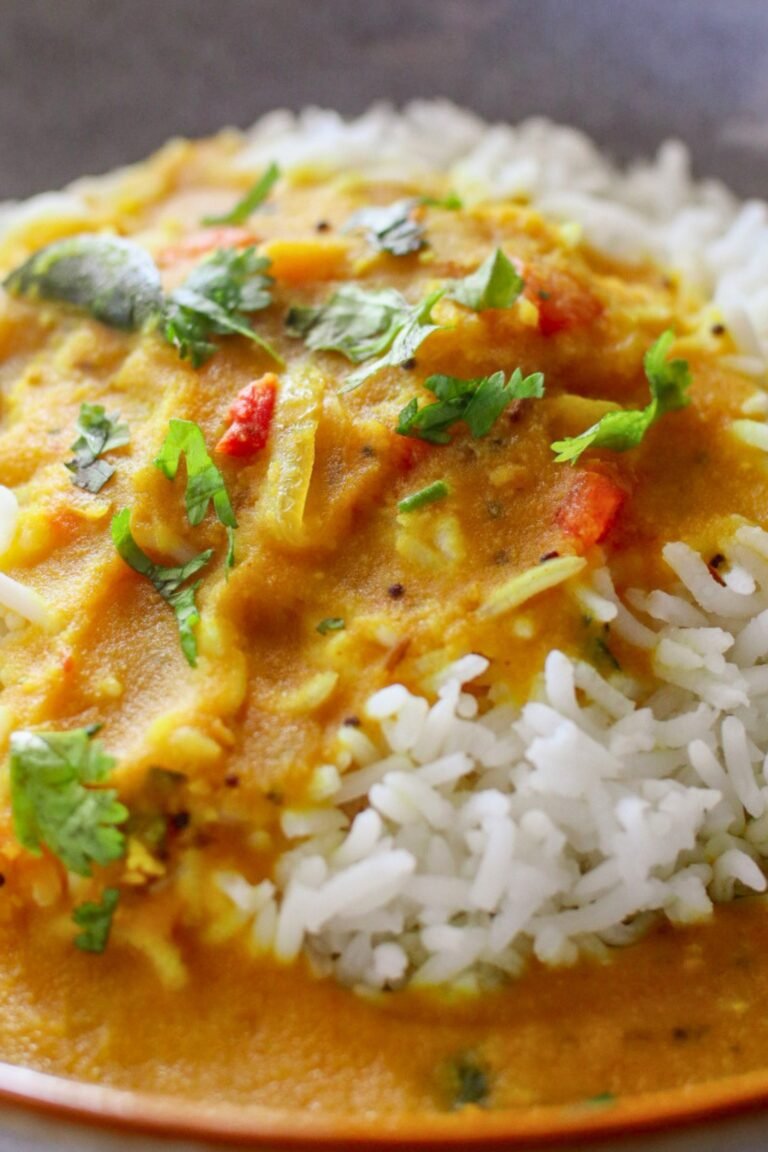
- Dhal: A simple yellow lentil dhal completes the spread beautifully if you’re feeding a big family.
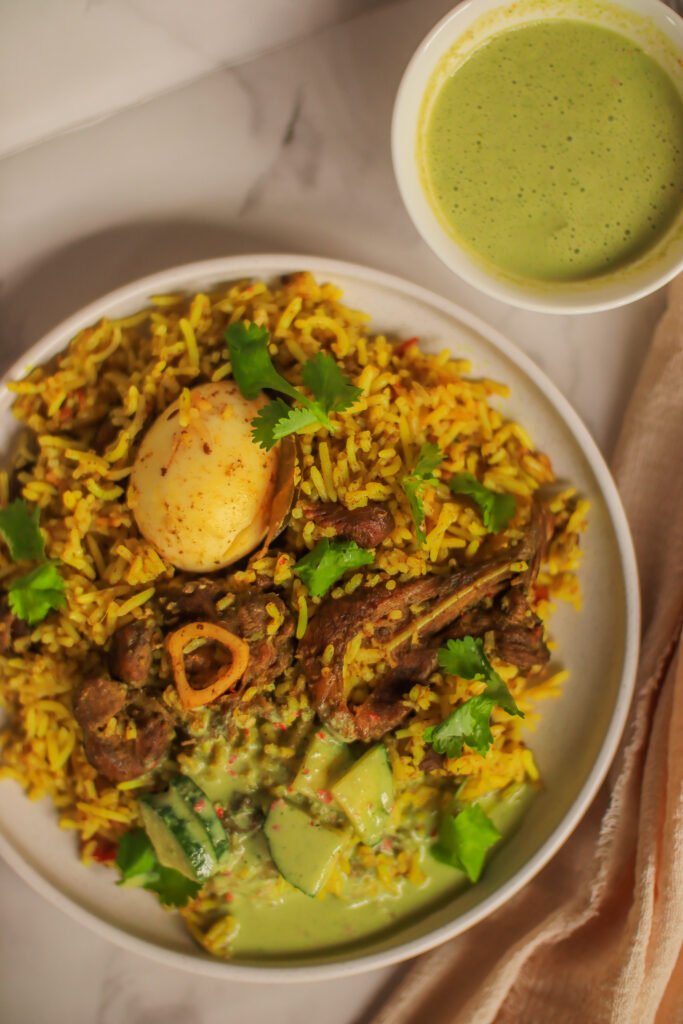
How to Store Green Mutton Biryani
Fridge: Store in an airtight container for up to 3 days. Reheat on the stovetop on very low heat to loosen it up, or microwave covered on medium heat.
Freezer: I don’t recommend freezing this biryani – the rice tends to go mushy once thawed and the fresh herb flavour from the green paste dulls. It’s best enjoyed fresh or within a few days from the fridge.
Make-ahead tip: Marinate the mutton in the green marinade the night before. It saves time on the day and the flavour is noticeably better for it – the herbs and chillies have more time to penetrate the meat properly.
Frequently Asked Questions
Can I use chicken instead of mutton?
You can. Use bone-in chicken thighs and reduce the cooking time. The green marinade works beautifully with chicken too.
What if I can’t find maas?
Full-fat plain yoghurt is the best substitute. Avoid low-fat yoghurt as it can split during cooking.
Why water is not needed for this recipe?
The mutton releases a lot of moisture as it cooks, and the maas adds to that. You’ll have more than enough liquid for a rich gravy. Adding water would dilute it.
Can I use a pressure cooker?
Yes. Cook the mutton in a pressure cooker or Instant Pot to save time. Once tender, transfer to a wide pot when combining the mutton with the rice and for the steaming stage.
Can I skip the boiled eggs?
They’re optional, but they do add extra protein. Leave them out if you prefer, or add extra potatoes instead.
⭐ Tried this recipe? Leave a star rating and a comment below — I’d love to hear how it turned out! Your feedback helps other food lovers find this recipe and cook with confidence.
Loved this recipe? Try my Durban Chicken Biryani, Tinfish Biryani or Vegetable Biryani.
Ingredients
- 20 fresh green chillies
- 5 fresh red chillies
- 40 g fresh mint leaves
- 40 g fresh dhania (coriander)
- 5 sprigs fresh curry leaves
- ½ cup (125ml) lukewarm water
- 3 kg mutton
- 2 cups (500ml) maas (medium cream)
- 2 medium onions (chopped)
- 2 medium tomatoes (chopped)
- 1 sprig fresh curry leaves (scrunch to release flavor)
- 2 tsp vadouvan
- 2 tsp turmeric
- 10 garlic cloves (crushed)
- 3 tbsp coarse salt (to taste)
- 250 g margarine
- 2 tbsp vegetable oil
- 5 small potatoes
- 1 tbsp garam masala
- 3 tbsp ginger and garlic paste
- 3½ cups (500g) basmati rice
- 2 tbsp coarse salt (to taste)
- 1 cinnamon stick
- 1½ tsp turmeric
- 10 eggs
- 1 tsp bicarb
Instructions
Make the Green Marinade
- Add the green and red chillies to a blender and blend until fine. Then add the mint, coriander, curry leaves, and water and blend everything together until you have a smooth, vibrant green paste. Set aside.
Boil the Eggs
- Bring a pot of water to a boil and add the bicarbonate of soda. Gently lower the eggs in and boil for 8 minutes. Transfer to cold water to stop the cooking, then peel and set aside.
Cook the Rice
- Wash the rice under cold water until the water runs clear to remove the excess starch. Then transfer to a large pot with plenty of water, add the turmeric, salt, and cinnamon stick, and bring to a boil. Cook until the rice is fully cooked and fluffy, about 45 minutes, then drain and set aside.
Cook the Mutton
- In a large pot, combine the mutton with the maas, green marinade, onions, tomatoes, and scrunched curry leaves and mix well. You can cook immediately or leave it to marinate for an hour, but if you have the time, cover and refrigerate overnight.
- Add the vadouvan, turmeric, crushed garlic, salt, margarine, garam masala, ginger and garlic paste, and vegetable oil directly over the meat. There is no need to add water, the mutton and maas will release their own liquid as it cooks. When the mutton is about halfway done, place the sliced potatoes on top. Don’t stir them in, just let them sit in the gravy until cooked through. Continue cooking until the mutton is fully tender.
Combine and Steam
- Add the cooked rice directly into the pot with the mutton and gently fold everything together until the rice and mutton are combined. Tuck the boiled eggs in as you mix. If you prefer a layered look for serving, you can finish with a layer of rice on top.
- Cover the pot by placing the lid firmly on top – you want no steam escaping. Put it on the lowest heat on your stovetop to prevent burning. Alternatively, you can place the pot into a preheated oven at 180°C – just make sure your pot is oven-safe before you do this, as not all pots can go in the oven. Either way, leave it for an hour to steam and don’t lift the lid.
Serve
- Serve and enjoy with raita, tomato and onion salad, carrot sald or dhal.
Notes
- The green marinade is the heart of this recipe – use fresh herbs only, not dried.
- You don’t need to add water to the pot. The mutton and maas release their own liquid as they cook.
- For the best flavour, marinate the mutton overnight in the green paste.
- Place the potatoes on top of the mutton halfway through cooking – don’t stir them in as this would cause them to break apart and lose their shape.
- If using the oven for the steam stage, make sure your pot is oven-safe before you do this – not all pots can withstand oven heat and the handles or lids may crack or warp.
- I don’t recommend freezing this biryani – the rice goes mushy and the fresh herb flavour dulls once thawed.
- Leftovers keep well in the fridge for up to 3 days and taste even better the next day.