
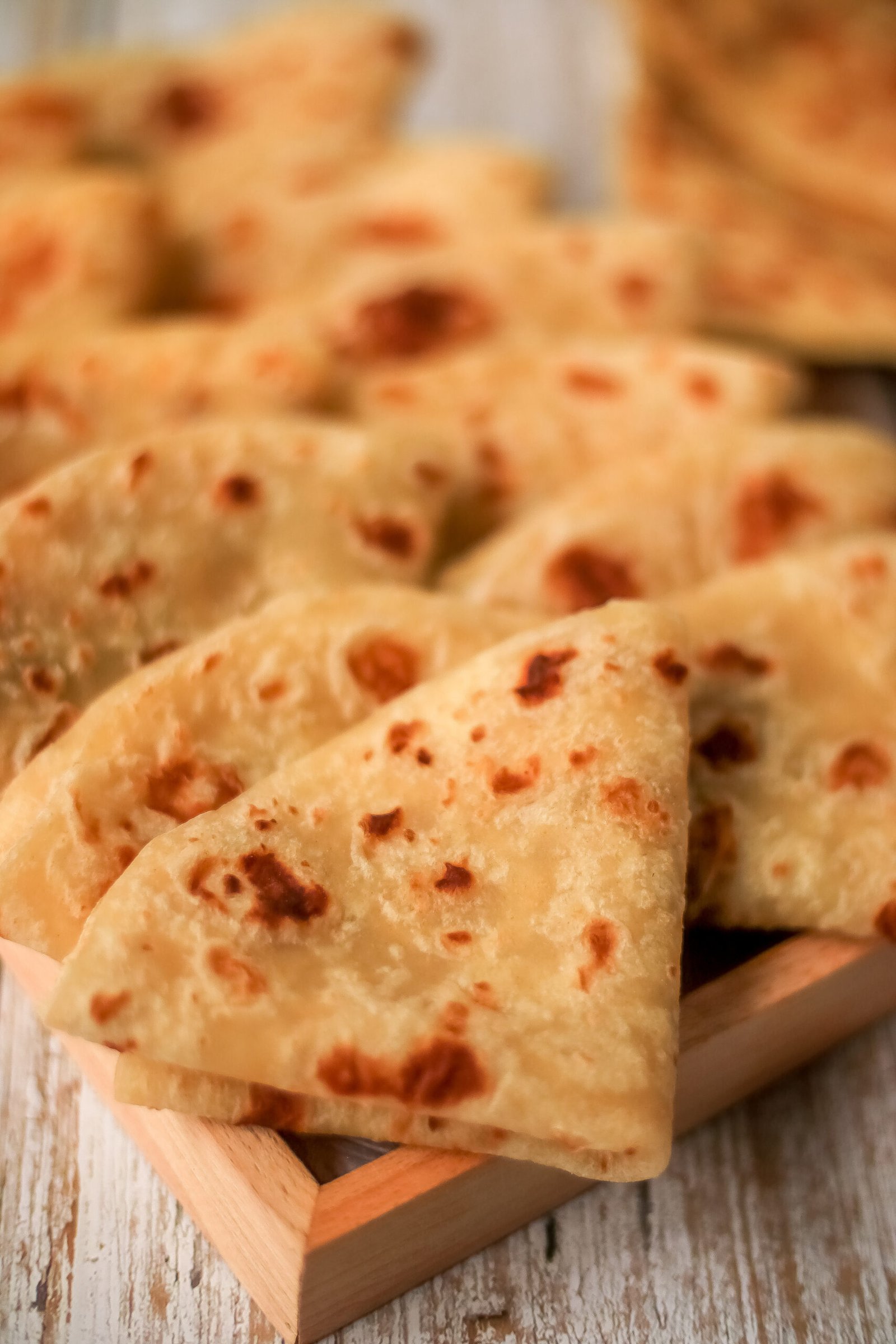
Soft Roti
In my home, roti was never something you bought. It was made fresh, every time. This roti recipe takes me straight back to my grandmother’s kitchen. It’s soft, buttery, and slightly flaky at the edges. It goes with everything. Curry, a simple tomato chutney, or just eaten warm straight off the pan with a little extra butter. Once you make this soft buttery flatbread at home, you’ll never want to go back to buying them.
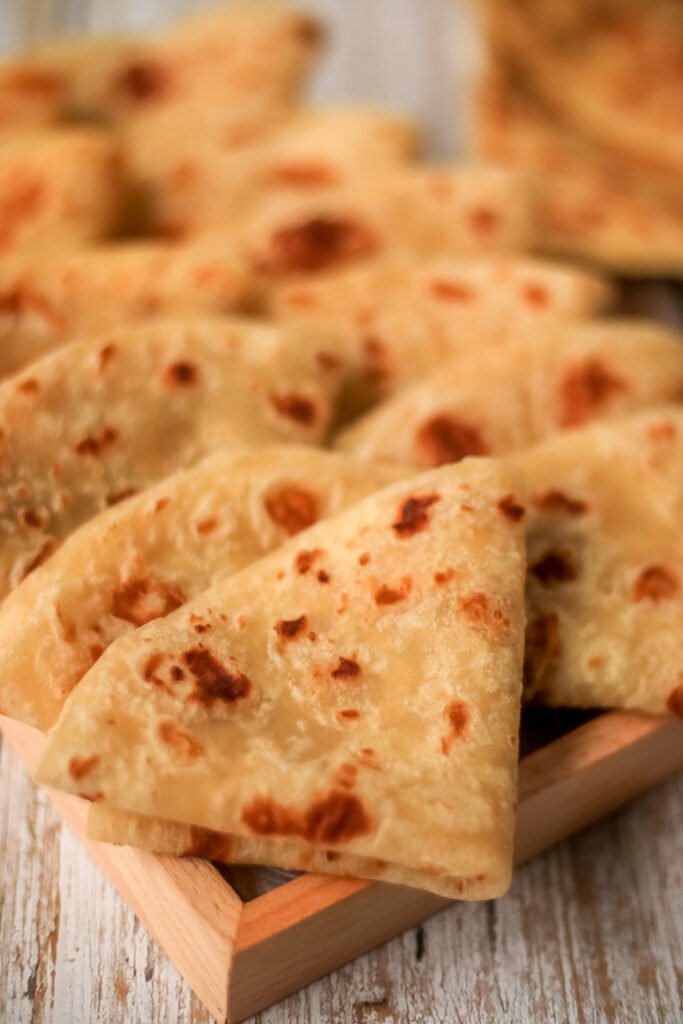
Why You’ll Love This Roti
- Soft and buttery every time: The combination of oil in the dough and margarine while cooking gives you a roti that’s soft and never dry.
- Just 5 ingredients: Cake wheat flour, oil, boiling water, margarine, and salt. Nothing fancy, nothing you don’t already have in your kitchen right now.
- An Indian staple: This is the roti that’s been made in Indian homes for generations. Simple, honest, and deeply satisfying.
- Goes with everything: Curry, dhal, chutney, or just eaten warm on its own with a little extra margarine. Roti makes every meal better.
- Quick once you get the hang of it: The first one or two might take a little practice but by the time you’re halfway through the batch you’ll be rolling and flipping like you’ve done it your whole life.
Ingredients for Roti
Cake wheat flour: The foundation of a soft roti. Cake wheat flour has a lower protein content than bread flour which gives you a dough that’s pliable, easy to roll, and cooks up soft rather than tough. Don’t substitute with bread flour here.
Oil: Added to the dough to keep it easy to work with. It also prevents the dough from drying out while it rests.
Boiling water: This is the secret to soft roti. Don’t use warm or cold water. Boiling water only.
Margarine: Used while cooking to give the roti its buttery flavour and a slight richness.
Salt: Just enough to bring everything together. Unseasoned roti tastes flat, so don’t skip it.
How to Make Soft Roti
Step 1: Make the Soft Roti Dough
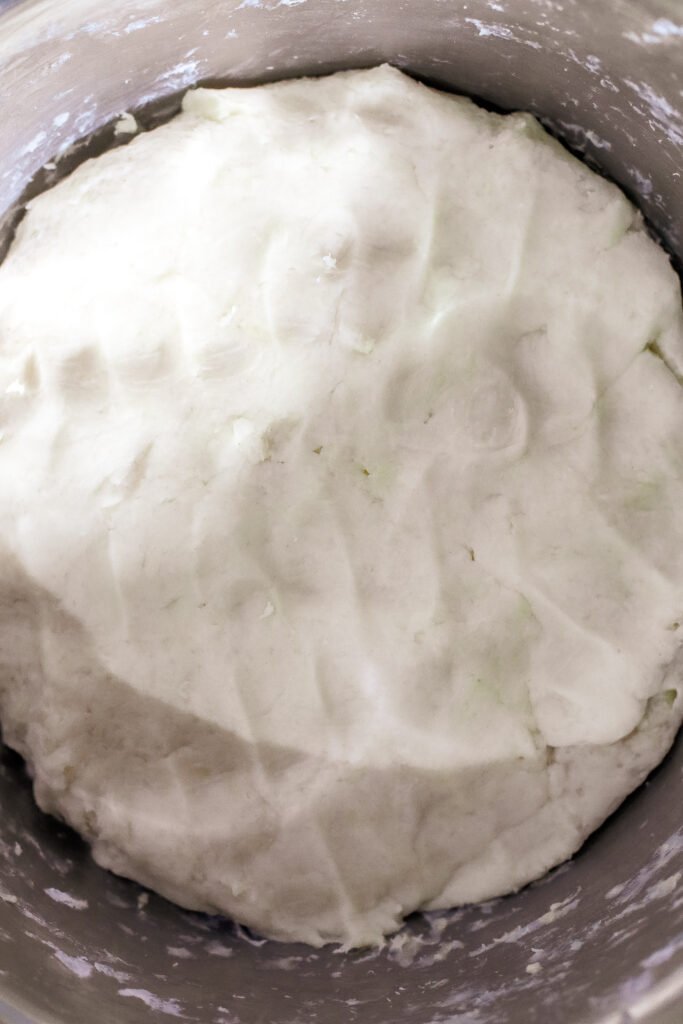
In a large bowl, combine the cake wheat flour and salt. Add 2 tablespoons of melted margarine and the oil and mix through. Gradually pour in the boiling water, mixing as you go, until a soft dough comes together. You may not need all the water. Add just enough until the dough feels soft and pliable but not sticky.
Knead for a few minutes until smooth, then cover with a clean cloth and leave to rest for at least 15–20 minutes. Don’t rush this part. Resting is what makes the dough easy to roll and the roti soft when cooked.
Step 2: Divide the Dough
Divide the dough into equal portions, roughly the size of a golf ball.
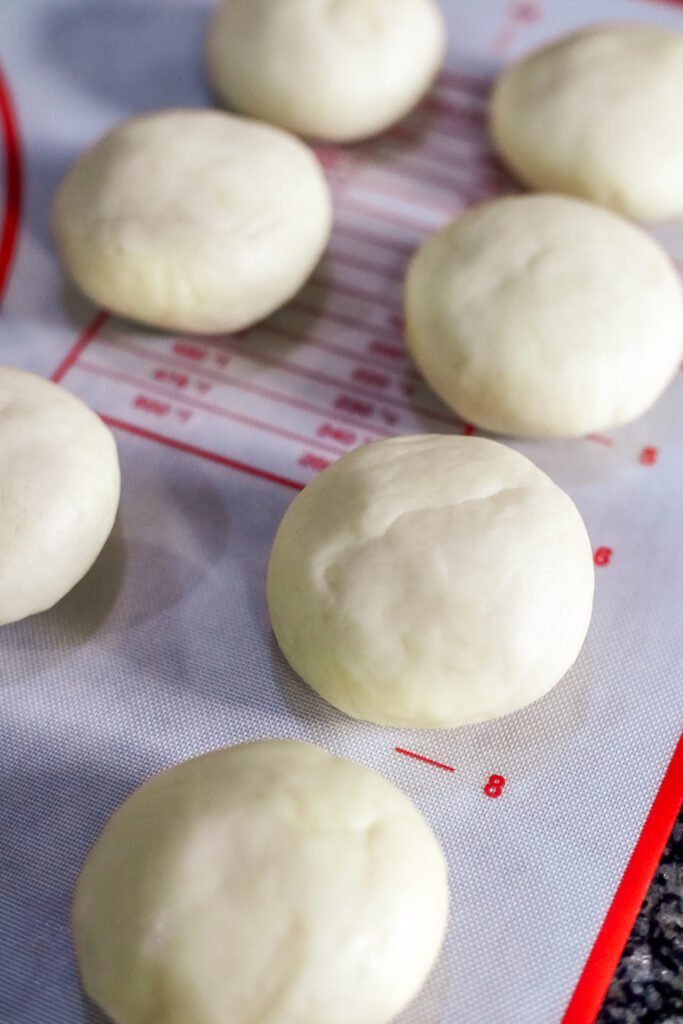
Step 3: Roll the Dough
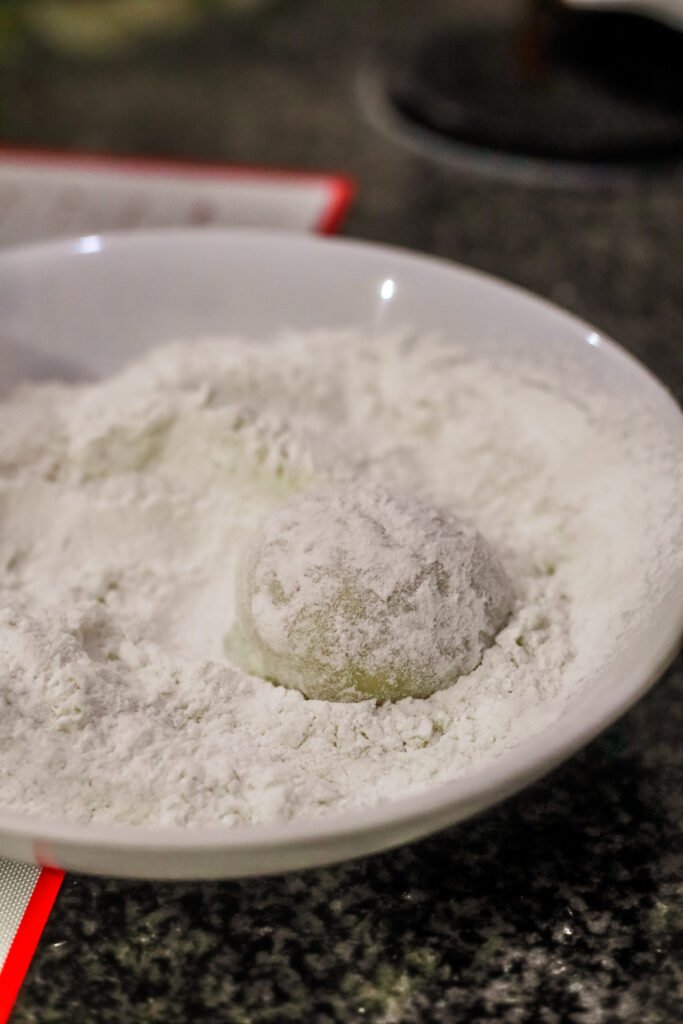
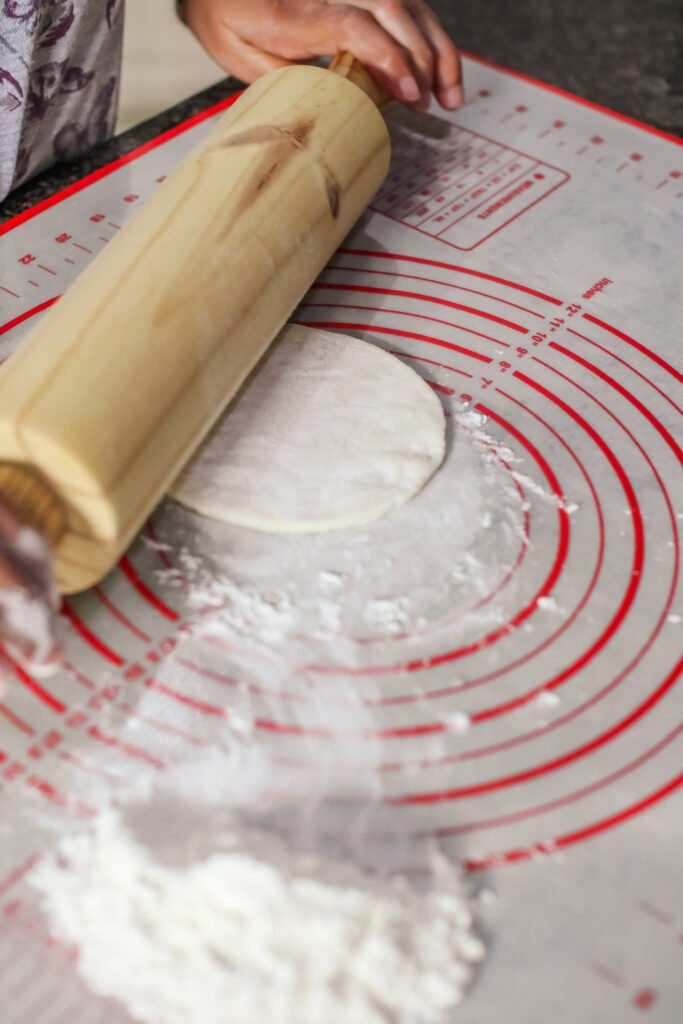
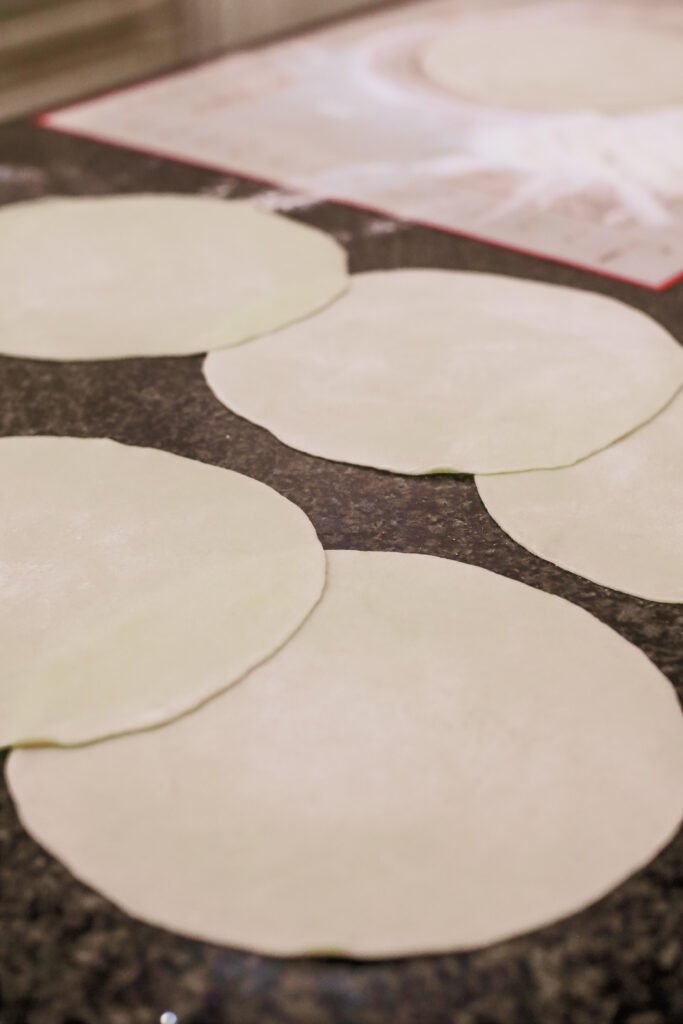
First, coat each ball of dough in a bowl of flour. Then, on a lightly floured surface, flatten each piece with your hand and roll each one out into a thin, even circle. Keep the portions you’re not working with covered with a cloth so they don’t dry out.
Step 4: Cook the Roti
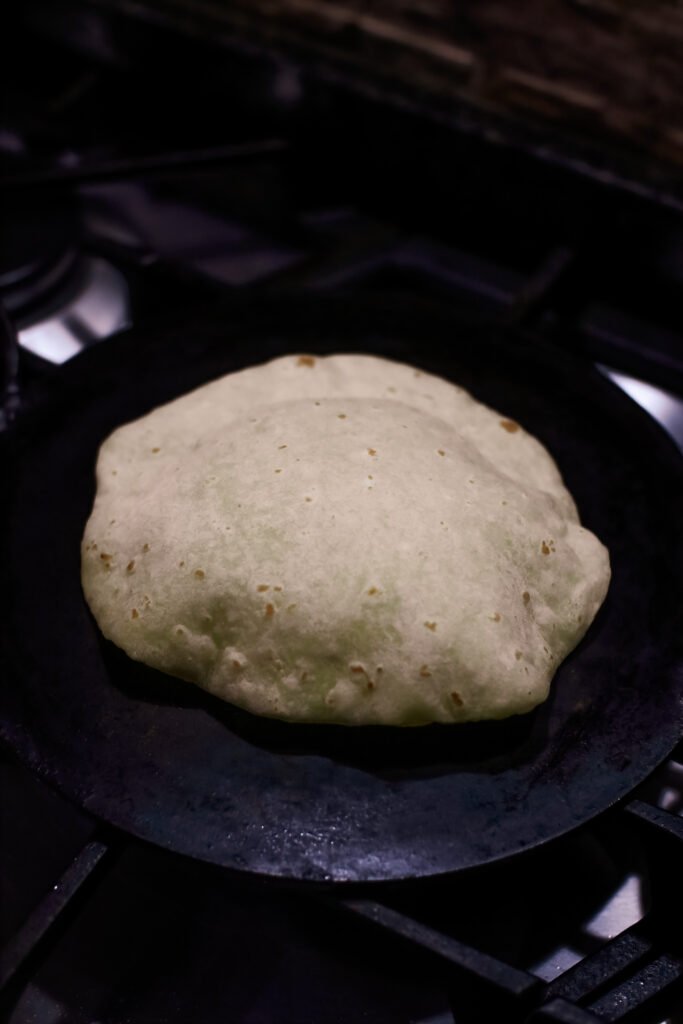
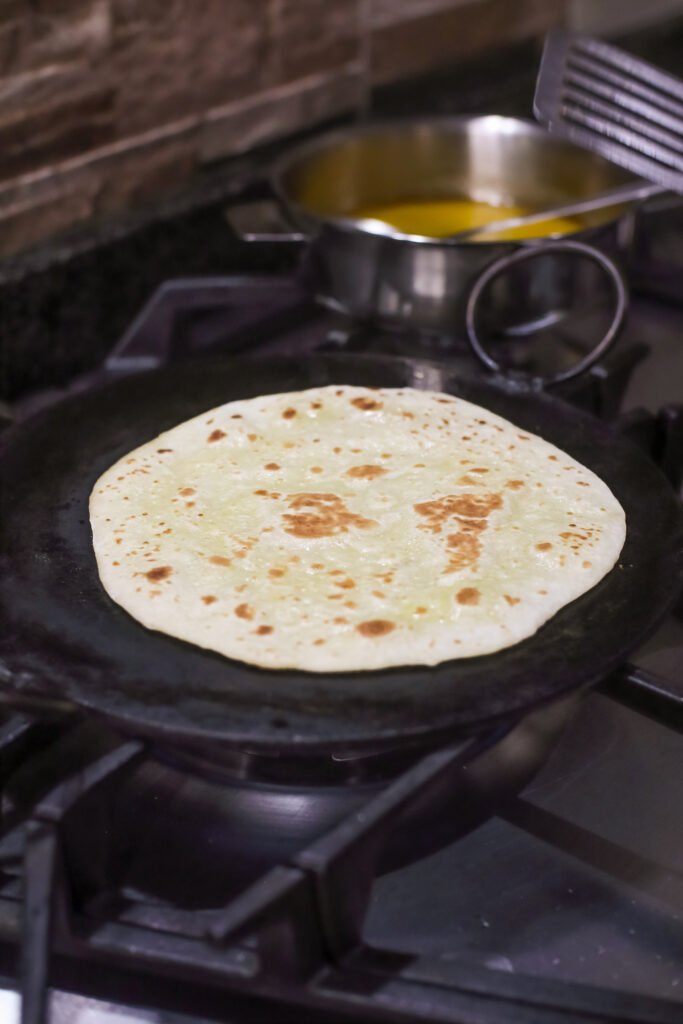
Heat a flat pan or tawa over medium-high heat. Place a rolled roti onto the dry pan and cook for about 30–40 seconds until bubbles start forming on the surface. A puffed roti is actually a good sign that your dough and heat are spot on. Spread melted margarine on both sides of the roti. You’re looking for soft, golden spots on both sides before removing from the pan or tawa.
Step 5: Keep Warm
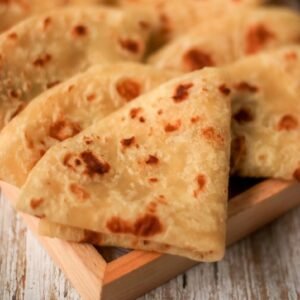
Stack the cooked rotis in a container and cover with a clean cloth as you go. The steam that builds up between them is what keeps them soft and warm while you finish the rest. Don’t leave them uncovered or they’ll dry out quickly.
What to Serve With Roti?
Roti goes with almost everything, but these are my favourites:
- Cauliflower curry and mixed vegetable curry: A rich, spicy curry is the ultimate roti pairing. You’ll be using the roti to scoop up every last bit of gravy.
- Tomato Chutney: A quick tomato chutney alongside warm roti fresh off the pan is a snack and a half.
- Braised butternut: A lighter vegetable curry that works beautifully with roti when you want something a little less heavy.
How to Store Roti
Room temperature: Stack cooled rotis and cover with a kitchen towel. They keep well at room temperature for up to 1 day.
Fridge: Store in an airtight container or wrapped in foil for up to 3 days. Reheat in a dry pan on medium heat for about 30 seconds each side.
Frequently Asked Questions
⭐ Tried this recipe? Leave a star rating and a comment below — I’d love to hear how it turned out! Your feedback helps other food lovers find this recipe and cook with confidence.
Equipment
- Mixing bowl
- Black iron Tawa/Thava pan (an ordinary frying pan will also work)
- Measuring cups
- sifter
Ingredients
- 5 cups (1250ml) cake wheat flour
- 1/4 tsp fine salt
- 200 g margarine (4 tbsp for the dough mixture and the rest for cooking the roti)
- 2 tbsp vegetable oil sunflower
- 3 1/2 cups (875ml) boiling water
Instructions
- In a large bowl, combine the cake wheat flour and salt. Add 2 tablespoons of melted margarine and the oil and mix through. Gradually pour in the boiling water, mixing as you go, until a soft dough comes together. You may not need all the water. Add just enough until the dough feels soft and pliable but not sticky.
- Knead for a few minutes until smooth, then cover with a clean cloth and leave to rest for at least 15–20 minutes. Don’t rush this part. Resting is what makes the dough easy to roll and the roti soft when cooked.
- Divide the dough into equal portions, roughly the size of a golf ball.
- First, coat each ball of dough in a bowl of flour. Then, on a lightly floured surface, flatten each piece with your hand and roll each one out into a thin, even circle. Keep the portions you’re not working with covered with a cloth so they don’t dry out.
- Heat a flat pan or tawa over medium-high heat. Place a rolled roti onto the dry pan and cook for about 30–40 seconds until bubbles start forming on the surface. A puffed roti is actually a good sign that your dough and heat are spot on. Spread melted margarine on both sides of the roti. You’re looking for soft, golden spots on both sides before removing from the pan or tawa.
- Stack the cooked rotis in a container and cover with a clean cloth as you go. The steam that builds up between them is what keeps them soft and warm while you finish the rest. Don’t leave them uncovered or they’ll dry out quickly.
Notes
- Rest the dough — this is non-negotiable. Resting for at least 15–20 minutes relaxes the gluten and is the difference between a roti that rolls out easily.
- Use boiling water, not warm or cold. Boiling water is what gives this roti its soft texture. Cold water will give you a tougher roti.
- Don’t overwork the dough. Knead just until smooth. Over-kneading develops too much gluten and makes the roti tough.
- Roll thin and even. The thinner you roll, the softer the roti. Thick roti cooks unevenly and can turn out doughy in the middle.
- Your pan must be hot enough. A pan that isn’t hot enough will dry the roti out before it cooks properly. Medium-high heat is what you want – the roti should start bubbling within seconds of hitting the pan.
- Cover your rotis as you cook. Stack them immediately and cover with a clean cloth. The steam trapped between them keeps them soft. This step is just as important as the cooking itself.
- Be generous with the margarine. Adding the margarine while cooking is what gives the roti its buttery flavour and soft finish.
- Keep the dough balls covered while you work. Roll and cook one at a time, keeping the remaining dough balls covered with a cloth so they don’t dry out.
- If your roti is puffing up on the pan, that’s a good sign. It means the dough is right and the heat is correct. Press it gently with a spatula to encourage it to puff evenly.



Keeping the rotis covered as you cook is such a pro tip. Thanks for sharing, this worked great and the rotis were soft!
Hi Lisa 😀 Thank you for sharing, I am so glad it turned out well!