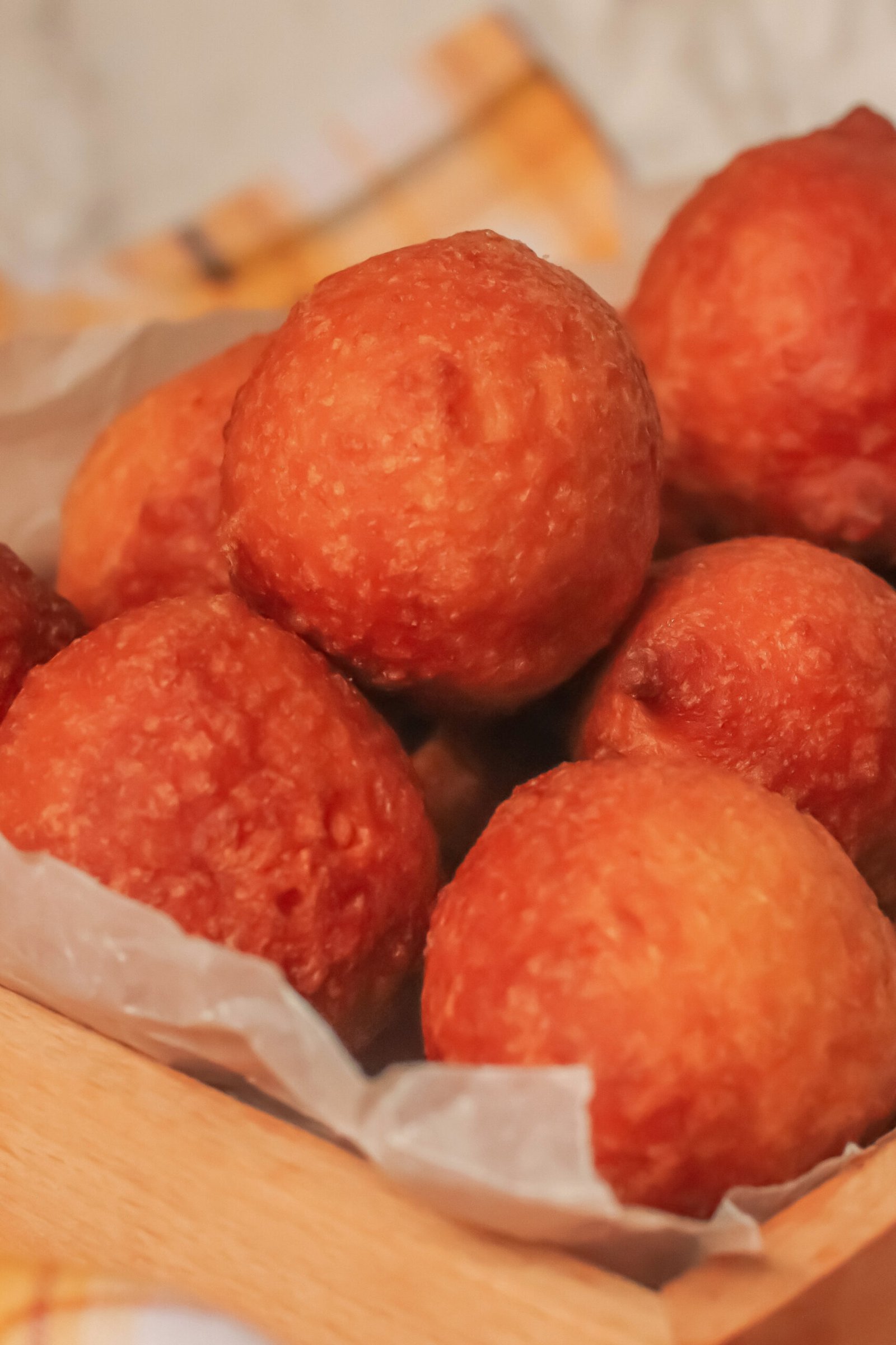
Gulgula (Goolgoola) – Indian Doughnut Holes
Whenever there was a prayer at home (especially porridge prayers), my grandmother would make warm, coconutty gulgula with fragrant elachi (cardamom) and you would see her frying them in hot oil. They’d land on a plate lined with a paper towel, still steaming, and ready to serve.
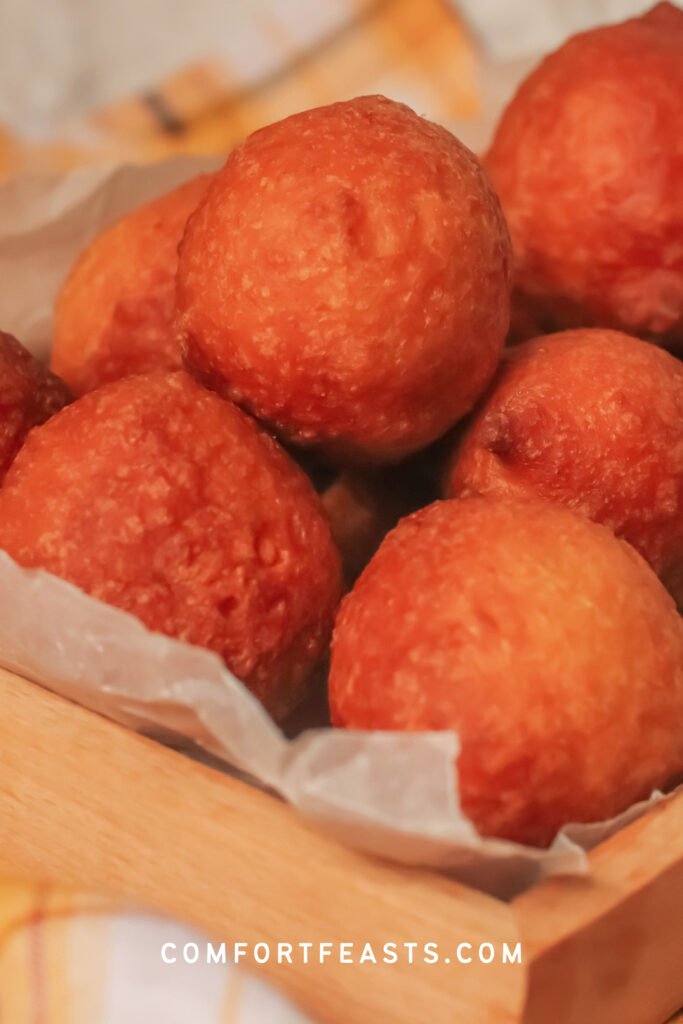
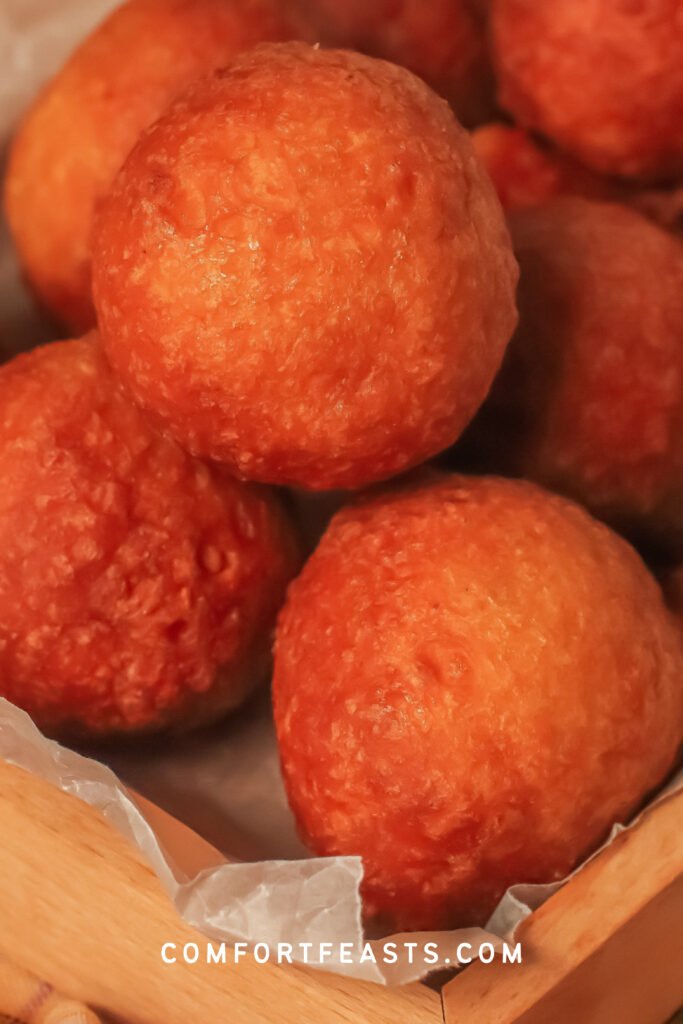
They go by a few names depending on who you ask. Some call them gulgula (also spelt goolgoola), and in Cape Malay households you’ll find a similar treat called a bolla. Whatever you call them, they’re the same idea: a soft, fluffy dough dropped straight into hot oil and fried until golden. No shaping, no rolling, no fuss. Just spoonfuls of batter turned into something completely comforting.
Why You’ll Love This Gulgula Recipe
- Simple pantry ingredients – self-raising flour, coconut, sugar, milk, and warm spice. No yeast, no proofing, no waiting around.
- Ready in under 30 minutes – from mixing bowl to plate faster than most bakes.
- Soft and fluffy on the inside, golden and crisp outside – exactly what a good goolgoola should be.
- A true family recipe – the kind made for prayers, get-togethers, and lazy holidays.
Ingredients to Make Gulgula
Self-raising flour – the base of the batter and what gives goolgoolas their rise. Since there’s no yeast involved, the baking powder already mixed into self-raising flour does all the work here.
Desiccated coconut – adds texture and a subtle sweetness throughout the dough. This is what gives goolgoolas their signature bite, different from a plain donut hole.
Sugar – for sweetness, though goolgoolas are meant to be lightly sweet rather than sugary.
Cold milk – brings the dry ingredients together into a thick batter. Using cold milk (rather than room temperature) helps keep the batter thick enough to hold its shape when it hits the oil.
Lukewarm water – just a small amount to help loosen the batter to the right consistency without thinning it too much.
Ground elachi (cardamom) powder – the flavour that makes goolgoolas instantly recognisable. Warm, fragrant, and traditional. Don’t skip this one!
Oil, for frying – a neutral oil with a high smoke point (like sunflower or canola) works best here. You’ll need enough to give the goolgoolas room to float and fry evenly, not just a shallow layer.
The Secret to Gulgula That Cook Through Properly
The biggest goolgoola mistake is oil temperature, and it goes wrong in one of two directions.
Too hot, and the outside turns dark golden brown in seconds while the inside stays raw and gooey. Too cool, and the goolgoolas soak up oil instead of frying, turning heavy and greasy rather than light and fluffy.
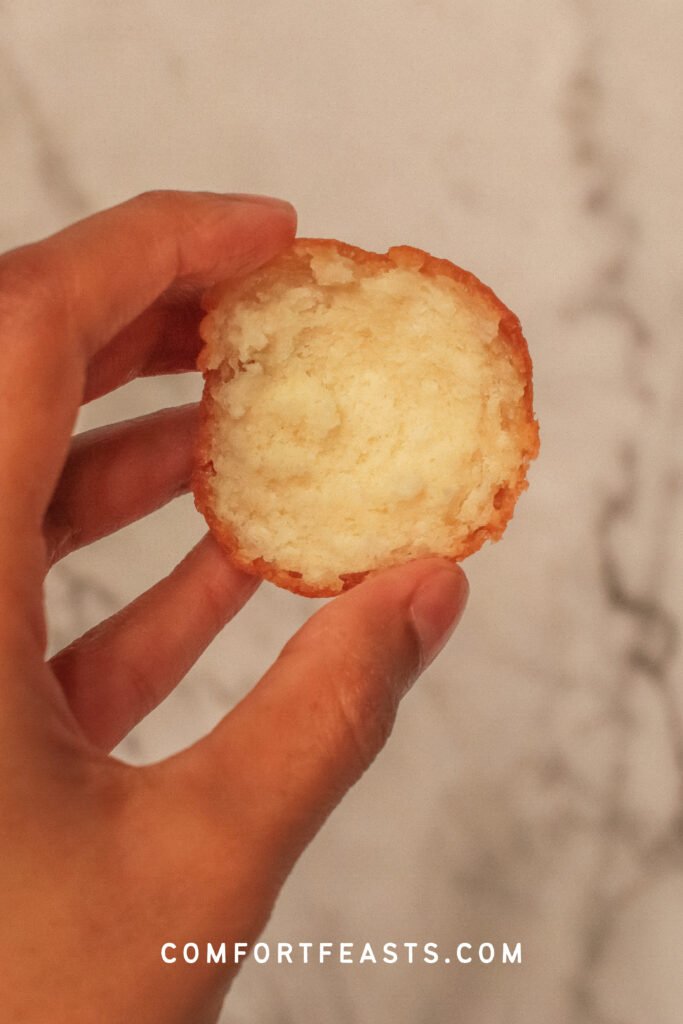
The fix is simple: get your oil properly hot first, then turn it down to low before you start adding the batter. This gives you a gentle, steady fry that cooks the goolgoola through without burning the outside. If you’re ever unsure, cut one open. It should be soft and fluffy inside, not wet or doughy.
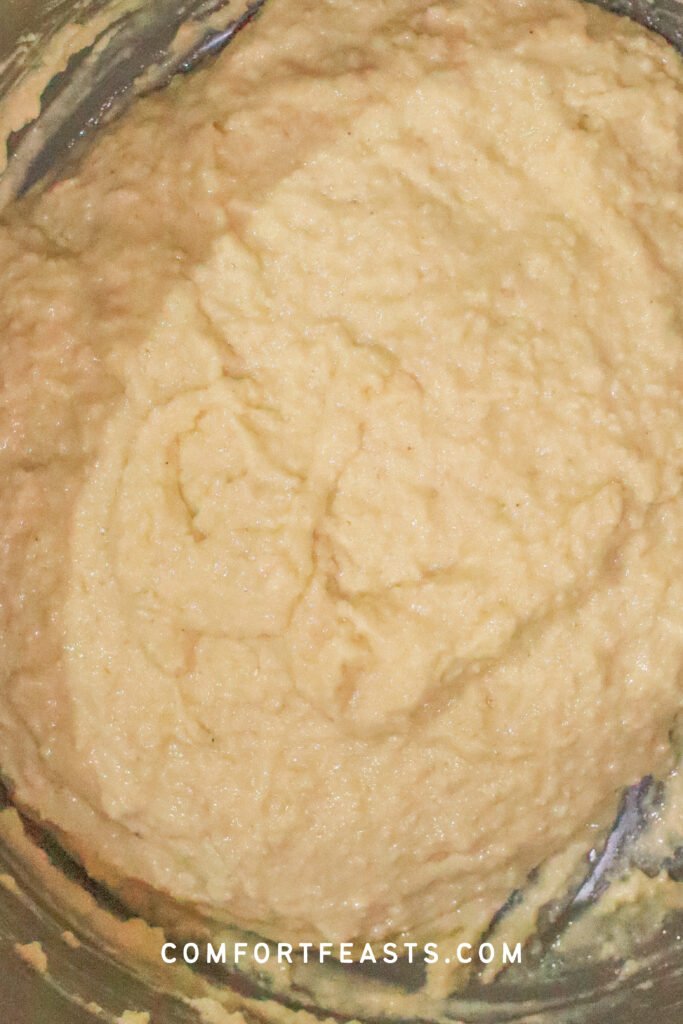
The other detail that matters is batter thickness. It needs to be thick, not runny. A weak batter won’t hold its shape once it hits the oil, and you’ll end up with flat, oily goolgoolas instead of proper round ones.
How to Make Gulgula
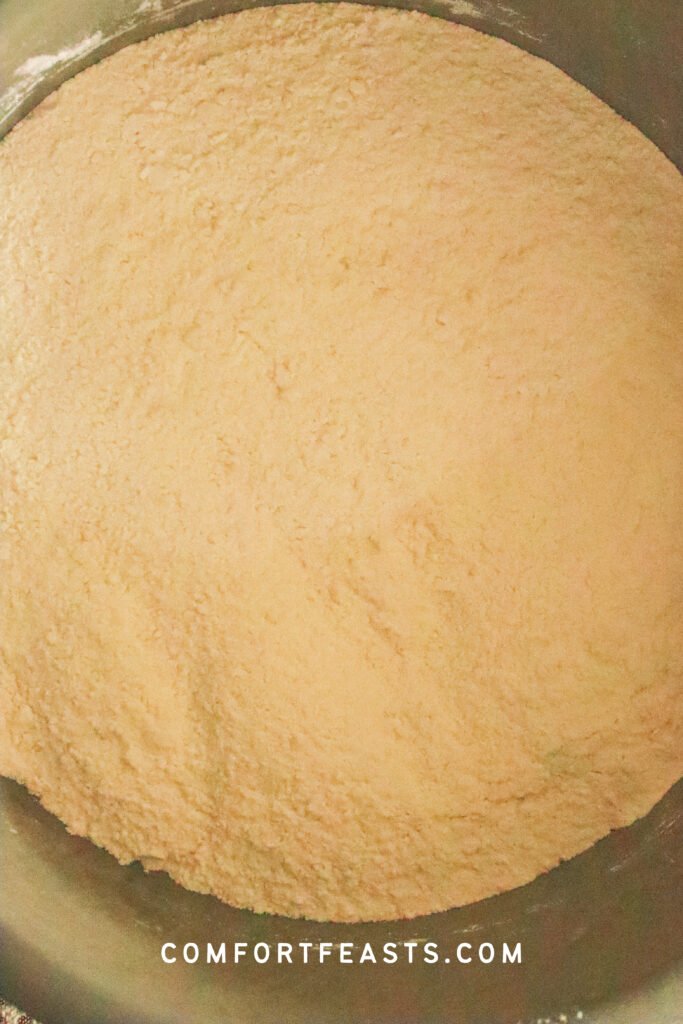
Step 1: Mix the dry ingredients. Add the self-raising flour, desiccated coconut, sugar, and ground elachi powder to a large bowl and stir to combine.
Step 2: Add the wet ingredients. Pour in the cold milk and lukewarm water. Mix until you have a thick batter. It should hold its shape on a spoon, not run off it.
Step 3: Heat the oil. Heat oil in a pot over medium-high heat until hot. Once hot, turn the heat down to low before you start frying.
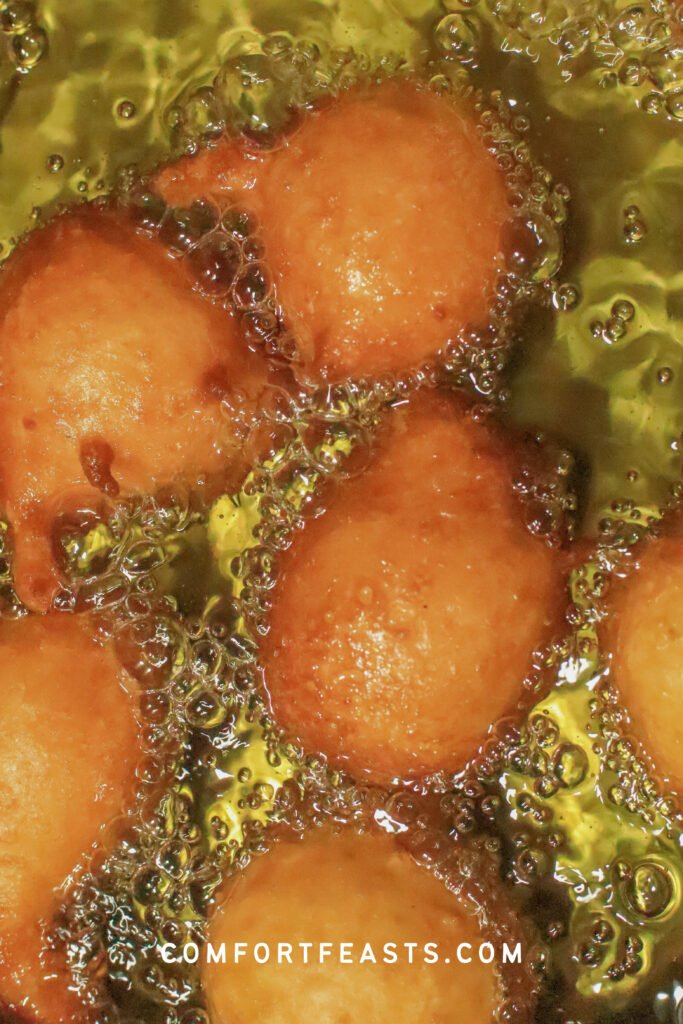
Step 4: Fry the goolgoolas. Using a medium ice cream scoop or your hand, drop dollops of batter into the oil. They should rise to the top as they cook. Fry on low heat, flipping so all sides turn golden brown.
Step 5: Check they’re cooked through. If you’re unsure, cut one open. It should be fluffy inside, not gooey or wet with raw batter. Adjust your heat down further if the outside is browning faster than the inside cooks.
Step 6: Drain and serve. Remove with a slotted spoon and drain on paper towel. Serve warm.
Can I Make Gulgula Ahead of Time?
Goolgoolas are best fried fresh and eaten warm, since that’s when they’re at their fluffiest. The batter itself doesn’t hold well ahead of time, as the baking powder in the self-raising flour starts working as soon as it’s mixed with liquid. For the best texture, mix and fry in one go rather than making the batter in advance.
Serving Suggestions and Variations
- Serve them warm, straight out of the oil, the way they’re traditionally eaten at home.
- Pair with a cup of masala chai for the classic tea-time combination.
- Dust with a little extra sugar while still warm if you prefer them sweeter.
- Make them for prayers or family functions, the way goolgoolas are traditionally served alongside other snacks and sweetmeats.
How to Store Gulgula
Room temperature: Goolgoolas are best eaten the same day, while they’re still soft and fresh.
Fridge: Store cooled goolgoolas in an airtight container for up to 2 days. Warm them in a microwave or air fryer before eating to bring back some of the crispness.
Frequently Asked Questions
Why is my batter too runny? This usually means too much milk or water was added. The batter should be thick enough to hold its shape on a spoon. If it’s too loose, add a little extra self-raising flour to thicken it back up.
Why are my goolgoolas raw in the middle? This is almost always down to oil temperature being too high. Frying on high heat browns the outside quickly before the inside has a chance to cook through. Get the oil hot first, then turn it down to low before frying.
Can I use fresh coconut instead of desiccated? Desiccated coconut is recommended here since it blends into the batter evenly. Fresh coconut holds more moisture and can throw off the batter consistency.
Can I skip the elachi (cardamom)? You can, but it’s the flavour that makes goolgoolas taste like goolgoolas. If you don’t have ground elachi, a pinch of ground nutmeg can be a substitute.
Why do goolgoolas rise to the top of the oil? That’s a good sign. It means your batter has enough air and rise from the self-raising flour, and the oil is at the right temperature.
⭐ If you try this gulgula recipe, please leave a star rating and comment below. I’d love to hear how it turned out!
Equipment
- Large mixing bowl
- Medium ice cream scoop (optional)
- Deep pot (for frying)
- Slotted spoon
- Paper towel-lined plate or tray
- Measuring cups and spoons
- sifter
Ingredients
- 2½ cup (625ml) self-raising flour
- ½ cup (125ml) dessicated coconut
- ½ cup (125ml) sugar
- 1¾ cup (438ml) cold milk
- 1 tbsp lukewarm water
- ½ tsp ground elachi (cardamom) powder
- Oil, for frying (enough to cover the gulgula when frying)
Instructions
- Add the self-raising flour, desiccated coconut, sugar, and ground elachi powder to a large bowl and stir to combine.
- Pour in the cold milk and lukewarm water. Mix until you have a thick batter. It should hold its shape on a spoon, not run off it.
- Heat oil in a pot over medium-high heat until hot. Once hot, turn the heat down to low before you start frying.
- Using a medium ice cream scoop or your hand, drop dollops of batter into the oil. They should rise to the top as they cook. Fry on low heat, flipping so all sides turn golden brown.
- If you’re unsure, cut one open. It should be fluffy inside, not gooey or wet with raw batter. Adjust your heat down further if the outside is browning faster than the inside cooks.
- Remove with a slotted spoon and drain on paper towel. Serve warm.
Notes
- Batter should be thick enough to hold its shape on a spoon. If it’s too runny, add a little extra self-raising flour.
- Get the oil hot first, then reduce to low heat before frying, to avoid burning the outside before the inside cooks.
- No ground elachi? A pinch of ground nutmeg works as a substitute.
- Best eaten fresh and warm.