Kolikutter (Pidi Kozhukattai)
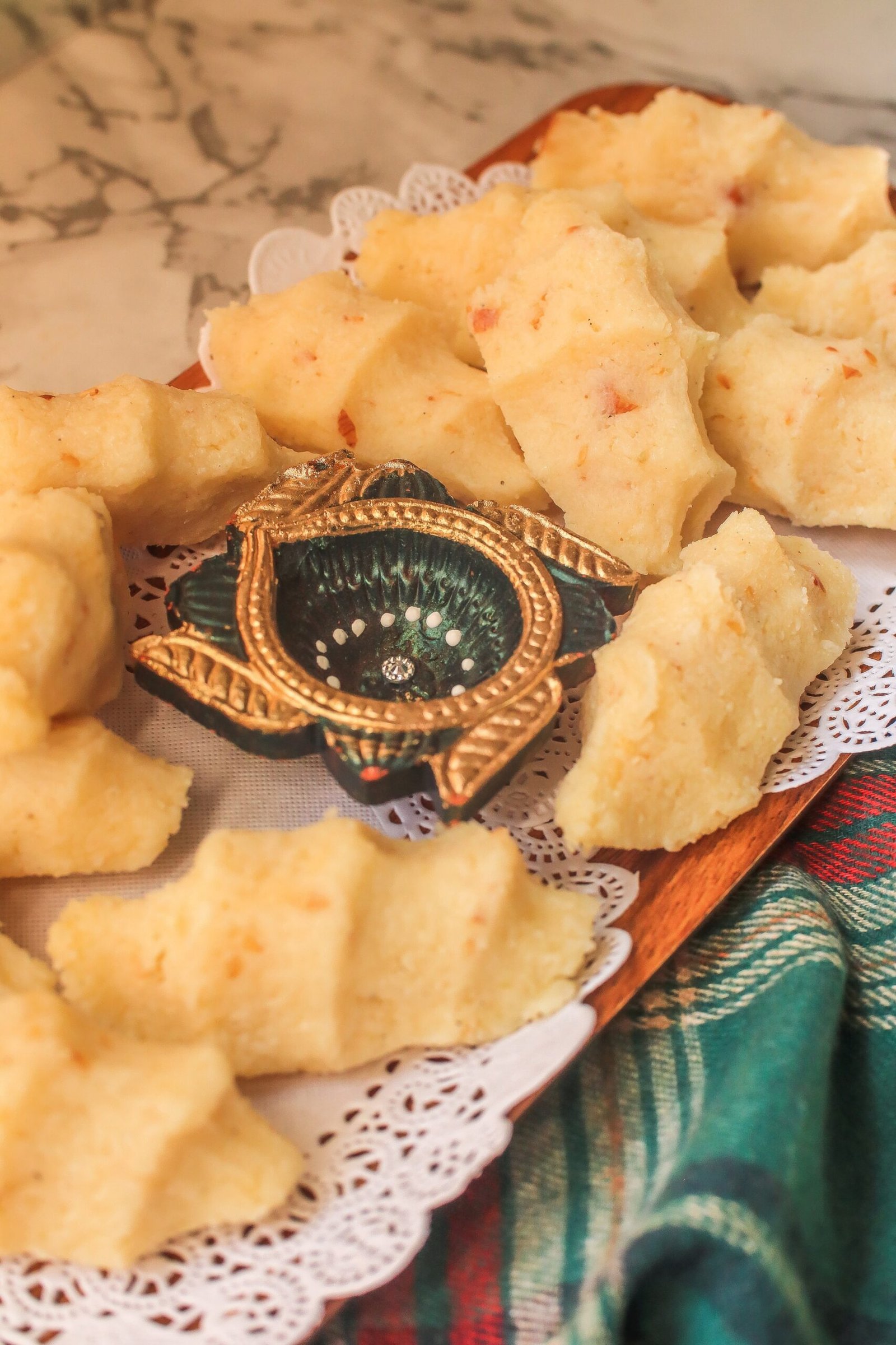
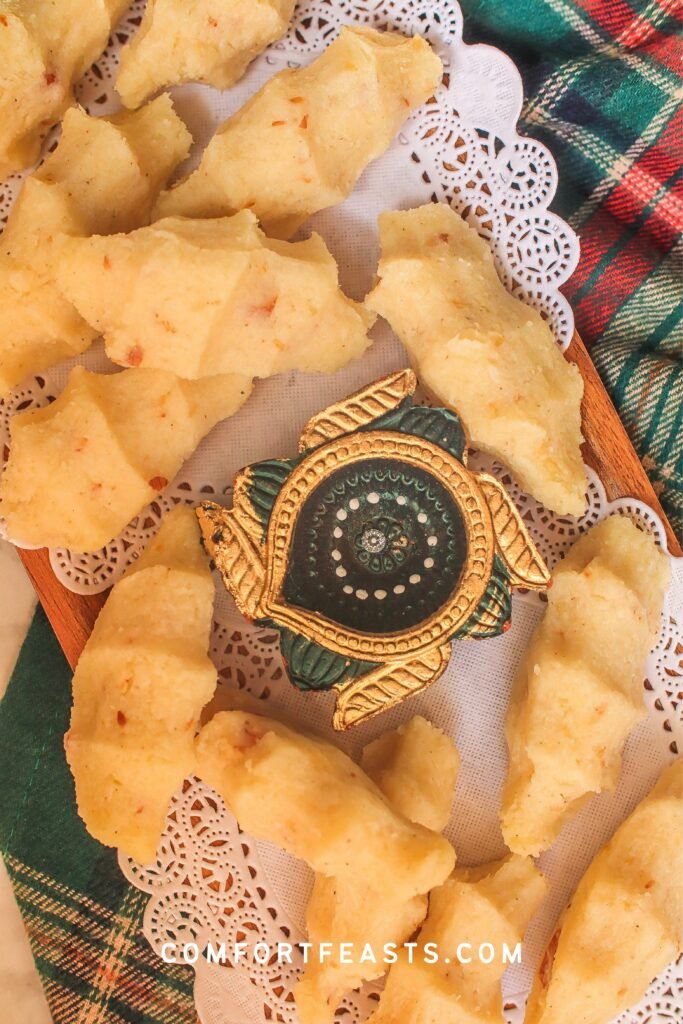
My mom makes the best kolikutter. It’s a bit addictive, to be honest. There’s a slight bite from the toasted ground rice, sesame seeds and coconut, sweetness from the condensed milk, and a touch of fragrance from the ground cardamom. It requires toasting, grinding, and cooking the mixture on the stove, and it’s not something you rush. If you make this recipe once, you will definitely make it again.
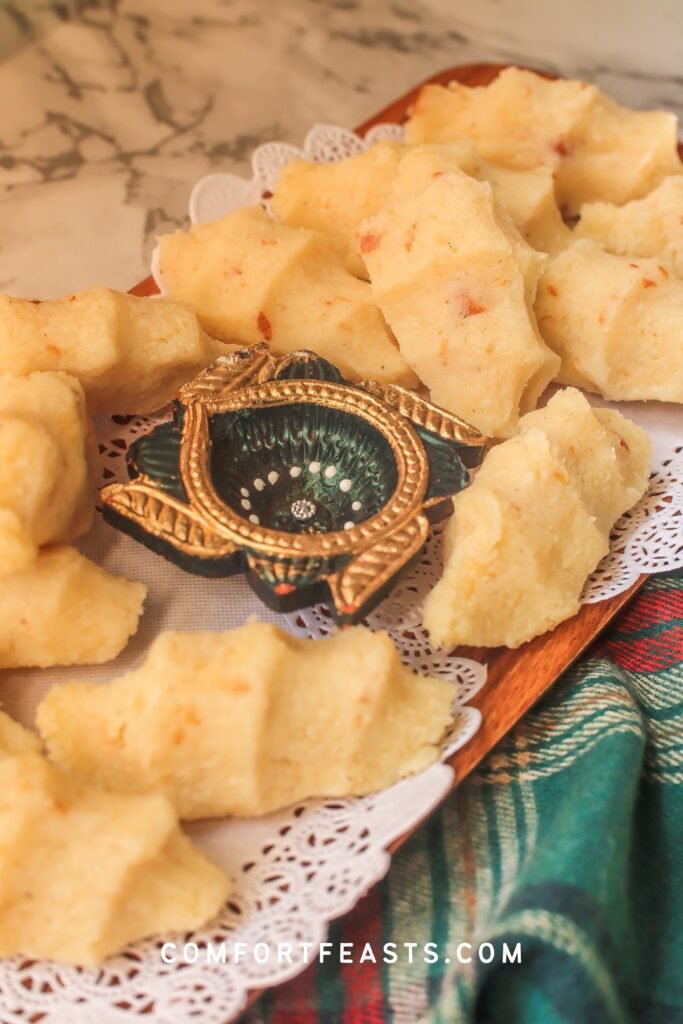
The name changes depending on who’s telling you about it: kolikutter, koikutter, kolkatta, or its Tamil name Pidi Kozhukattai, which literally means “fist-shaped dumpling,” referring to the finger indentations pressed in by hand before serving. Here is South African Indian households, we make it most often for porridge prayers and other religious observances, though there’s no rule saying you can’t make it just because you’re craving it.
Why You’ll Love This Kolikutter
- Simple method — cooked entirely on the stovetop in a pot, no steaming required
- No eggs, no gluten – naturally egg-free so it fits a wider range of diets.
- Pairs well with other sweetmeats — a natural fit alongside other prayer-day treats and festive spreads
- Make-ahead friendly — the toasted rice flour can be prepped in advance, so you’re not doing everything in one sitting. You can also use store bought rice flour. However, I recommend washing, drying, grinding and toasting the rice flour for the best flavor.
Ingredients to Make Kolikutter
White rice – washed, dried, ground and toasted into flour, this is the base of the mixture. Following these steps from scratch makes the best kolikutter with fresh flavor, different from using plain store-bought rice flour.
Desiccated coconut – adds richness and a slightly nutty sweetness throughout the mixture.
Sesame seeds – toasted for a subtle nuttiness and a bit of texture in every bite.
Finely chopped almonds – adds a bit of bite and richness to the mixture. Can be excluded if you have a nut allergy.
Butter – rubbed into the rice flour to give the mixture its soft texture and rich flavor.
Granulated sugar – for sweetness, balanced alongside the condensed milk.
Ground elachi (cardamom) powder – the signature warm spice that runs through the whole mixture. Do not skip adding this as it adds to flavor profile of Kolikutter.
Condensed milk – added gradually to bring the dry mixture together into a soft, moldable dough. It also adds sweetness and helps bind everything.
Milk – helps loosen the mixture while cooking the mixture on the stovetop.
Getting the Dough Mixture Right
Two things are important when making Kolikutter: the toast and the mixture consistency.
Roast the ground rice, coconut, and sesame seeds separately, not together, since they toast at different rates. Keep the flame low and stay close by. You’re looking for a light golden colour and a fragrant, nutty smell, not a deep brown. Burnt rice flour will make the whole batch taste bitter, and there’s no fixing that once it’s happened.
Once the rice is ground into flour, rubbing the butter and sugar into it should leave you with a texture like fine breadcrumbs before you add anything wet. This step matters because it coats the flour in fat first, which is what gives kolikutter its soft texture rather than a dense one.
When you get to the condensed milk, add it gradually rather than all at once. You’re looking for a soft buttery dough that holds together when pressed, not one that’s sticky or wet. If the mixture feels too dry, a splash of milk will loosen it. If it feels too soft to hold its shape, a little extra rice flour will firm it back up.
How to Make Kolikutter
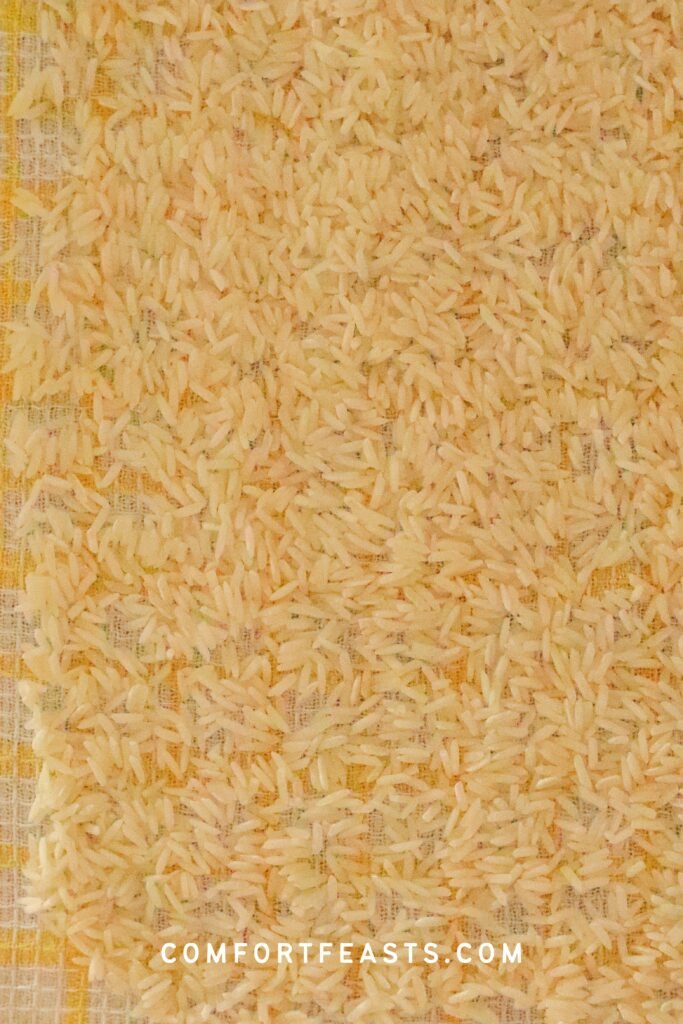
Step 1: Wash and dry the rice. Wash the rice until the starch runs clear. Spread it out on a dish towel and leave to dry completely overnight.
Step 2: Grind the rice into flour. The next day, grind the rice into a flour. For a slight bite (which I personally prefer), don’t grind it all the way to a fine powder.
Note: You can skip the above two steps and buy rice flour from the store instead, but I recommend doing it yourself as it’s fresher and tastes much better.
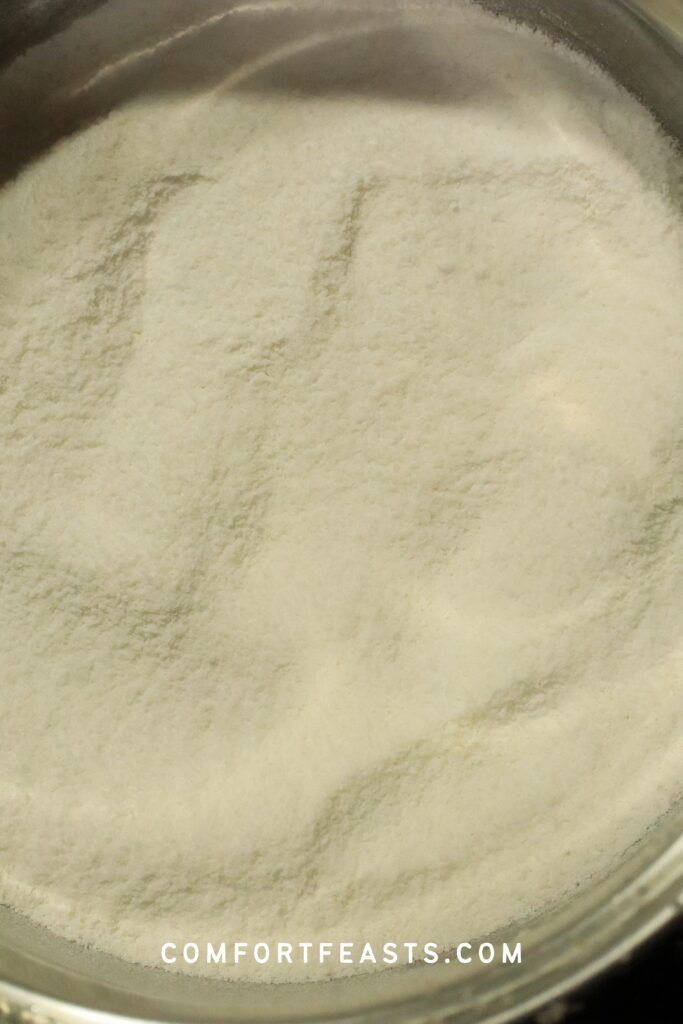
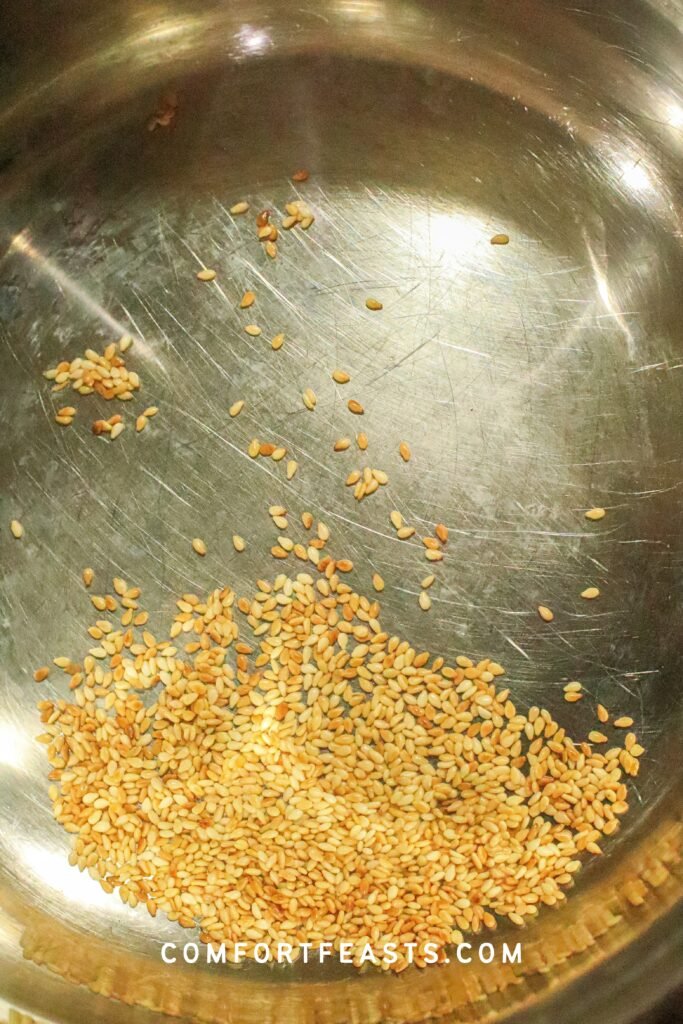
Step 3: Dry roast. The next day, dry roast the ground rice, coconut, and sesame seeds separately over low heat until fragrant. Allow each to cool completely.
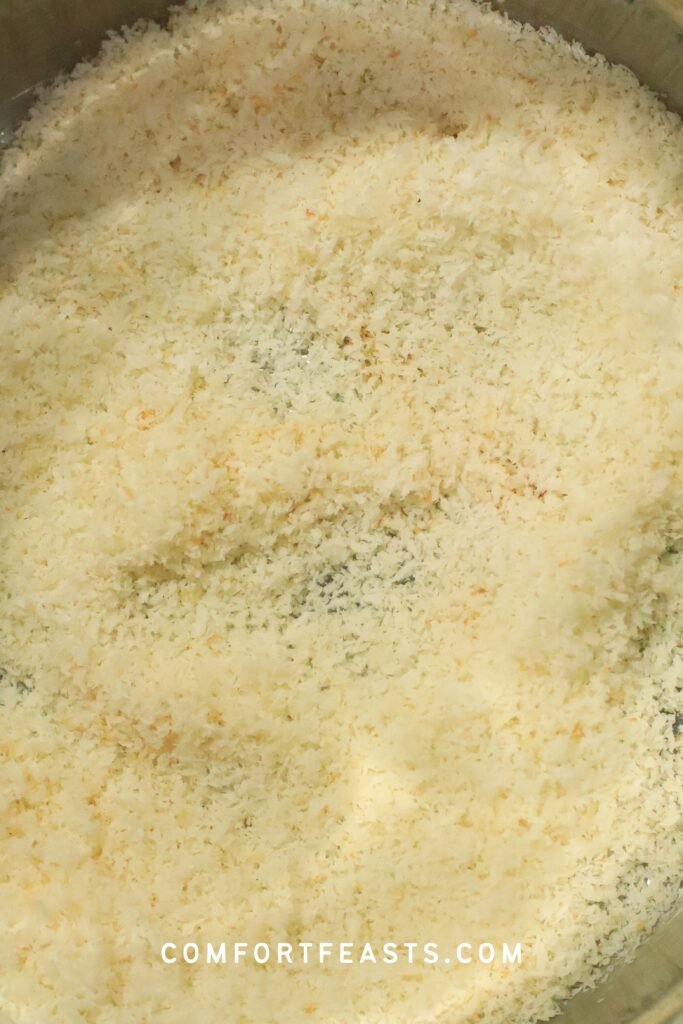
Step 4: Rub in the butter and sugar and add in the remaining ingredients. In a large bowl, rub the butter, sugar, and ground rice flour together with your fingers until the mixture resembles fine breadcrumbs. Then mix in the toasted coconut, toasted sesame seeds, chopped almonds, and ground elachi powder until well combined.
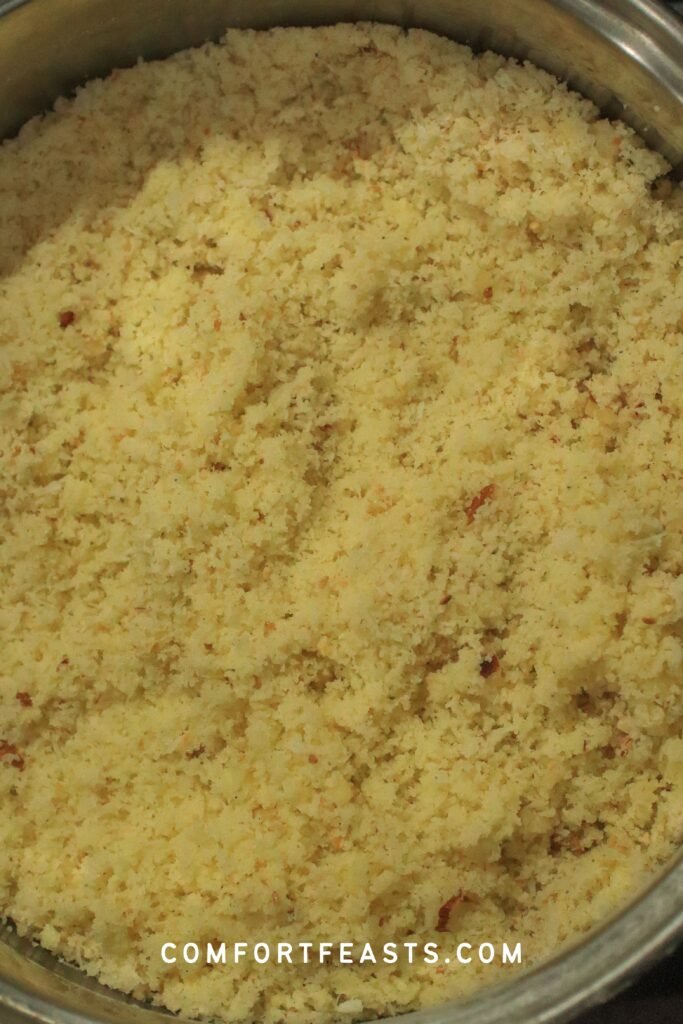
Step 5: Bring the mixture together. Gradually add the milk, and cook on stovetop for about 10 minutes until the mixture thickens, absorbs the milk and you are able to mold it together.
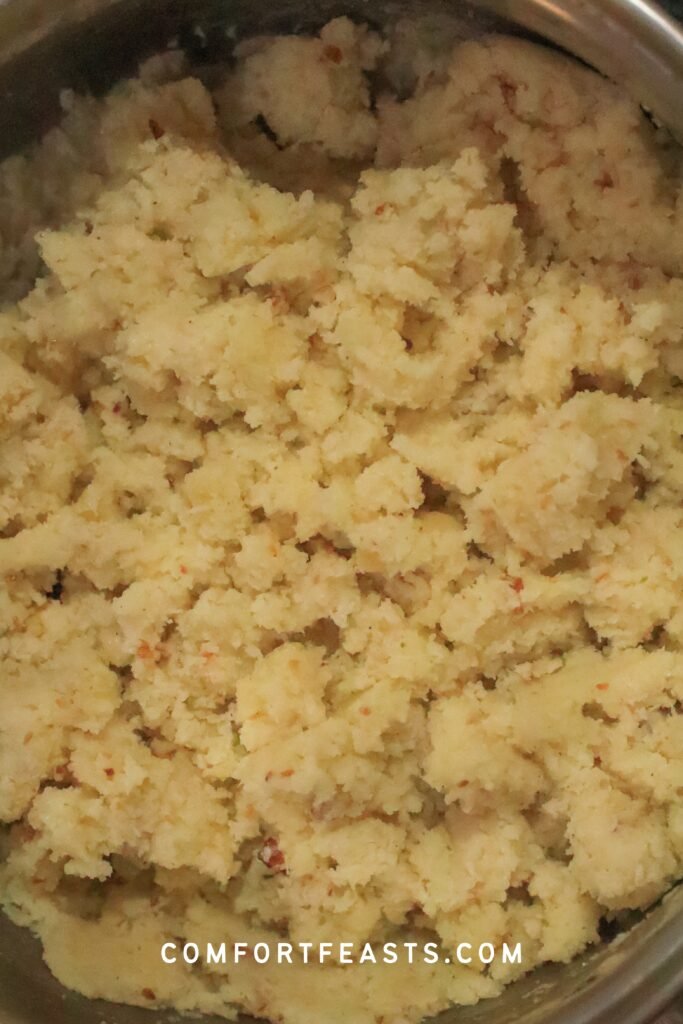
Step 6: Add condensed milk and shape the kolikutter. Take it off the stovetop and then add in your condensed milk. Right away while its warm, shape into kolikutter shapes by taking a spoonful in your hand and pressing down with your fingers.
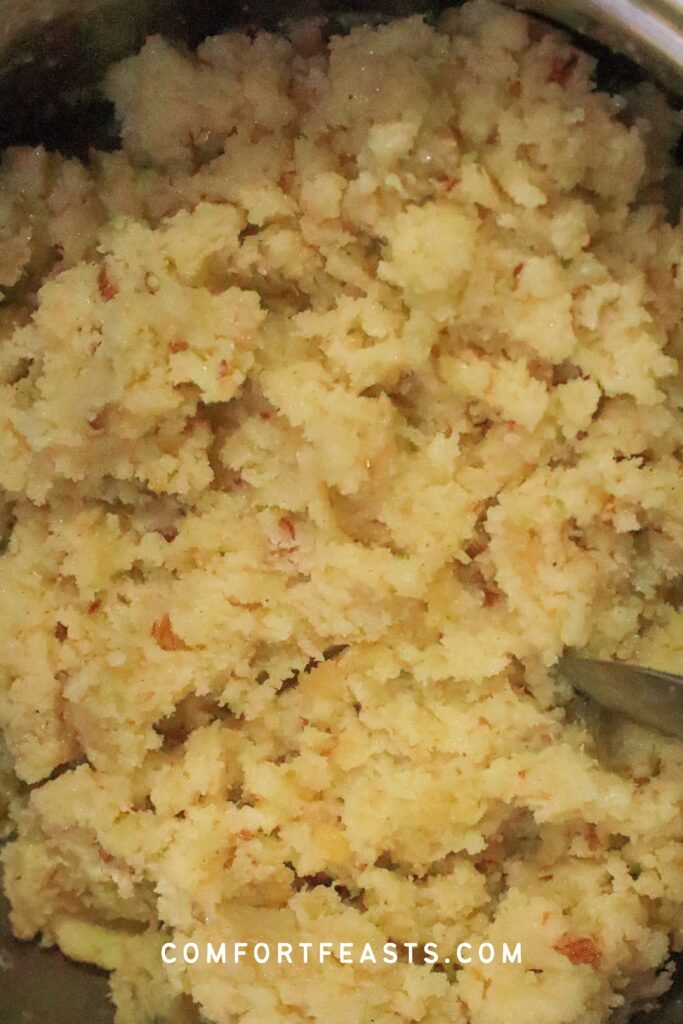
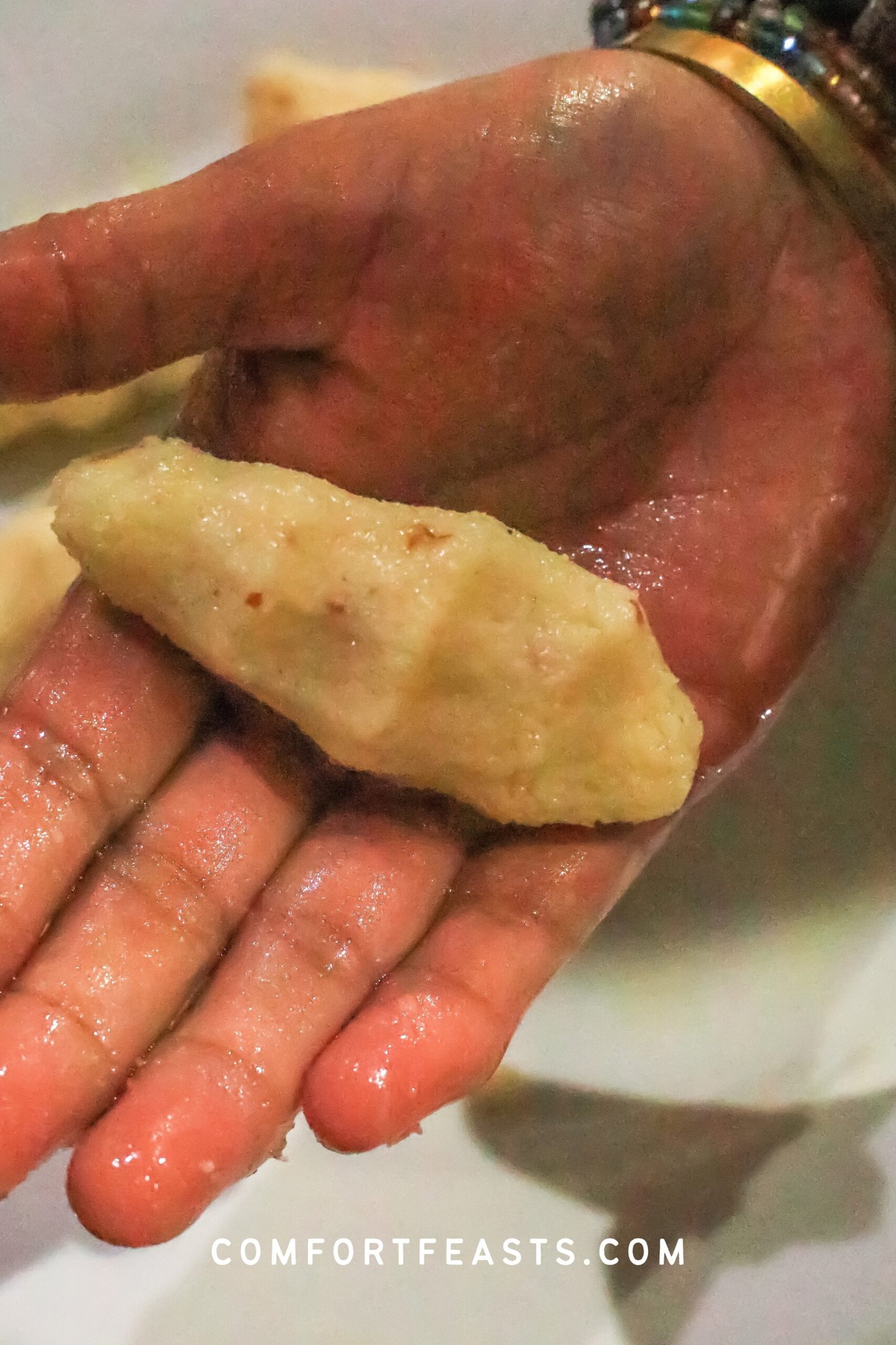
Step 7: Allow kolikutter to set. Leave the kolikutter to set for 4–8 hours, or ideally overnight, to harden fully and then enjoy!
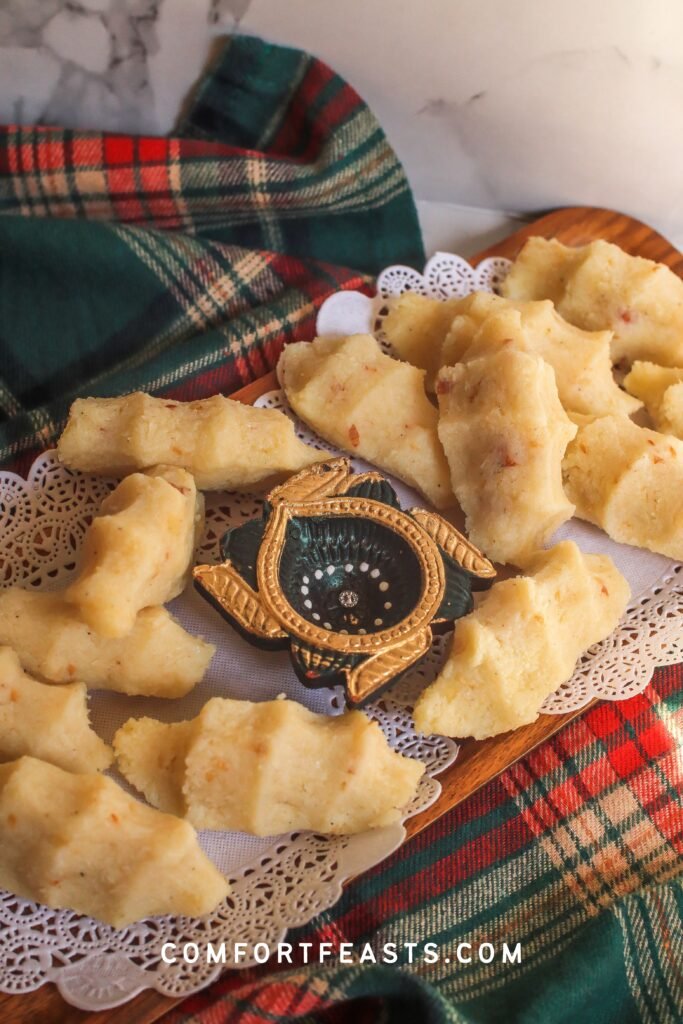
Can I Make Kolikutter Ahead of Time?
Kolikutter actually keeps well, which makes it a good sweetmeat to prepare ahead of a prayer or function. Once shaped, store it in an airtight container and it will hold its texture for a few days at room temperature. I suggest placing them in the fridge if you live in a location that experiences high temperatures. If you want to prepare further in advance, the roasted rice flour can also be made and stored ahead, ready for you to bring the mixture together closer to the day.
Serving Suggestions and Variations
- Serve as part of a prayer table alongside other traditional sweets and snacks, or on its own with a cup of masala chai.
- Some families add extra ground almonds or milk powder for richness, while others leave the almonds out entirely, feel free to adjust to what you have on hand.
How to Store Kolikutter
Room temperature: Store in an airtight container for up to 3 days, kept in a cool spot away from direct sunlight.
Fridge: Kolikutter will keep for up to a week in the fridge in an airtight container. Bring to room temperature before serving for the best texture.
Freezer: Freeze in a single layer once fully cooled, then transfer to a container for up to 1 month. Thaw at room temperature before serving.
Frequently Asked Questions
Why does my kolikutter taste bitter? This usually means the rice, coconut, or sesame seeds were roasted for too long or over too high a flame. Roast low and slow, and pull them off the heat as soon as they turn fragrant and lightly golden.
Can I use store-bought rice flour instead of roasting my own? You can, but you’ll lose the toasted flavour that makes kolikutter distinct. Roasting the rice yourself is what sets this apart from a plain rice flour sweet.
Why is my mixture too sticky to shape? This usually means too much condensed milk was added, or the mixture wasn’t cooked for long enough on the stovetop. Cook it a little longer to help it firm up, or add a touch more rice flour before shaping.
What does the finger shape mean? It’s the traditional shape for kolikutter, made by pressing the dough in your fist. It’s part of what identifies this sweet, and also helps it cook and set evenly.
Can I skip the almonds or sesame seeds? Yes, both can be left out or adjusted to taste, though they do add to the traditional texture and flavour.
More Indian Sweetmeats and Prayer offerings you will Love!
- Gulab Jamun (rolled in coconut)
- Barfi (South African Burfee Recipe)
- Gulgula (Goolgoola) – Indian Doughnut Holes
- Crispy Vada (South African-Style)
⭐ If you try this Kolikutter recipe, please leave a star rating and comment below. I’d love to hear how it turned out!
Equipment
- Medium size pot
- Grinder or blender (for the rice flour)
- Airtight container (for storing)
Ingredients
- 2 cup (500ml) white rice (washed, dried, ground and toasted)
- 125g butter
- ¼ cup (62.5ml) sugar
- 1 cup (250ml) dessicated coconut
- 1 tbsp toasted sesame seeds
- ½ tsp ground elachi powder (cardamom)
- 2 tbsp finely chopped almonds
- 1 cup (250ml) milk
- 130g condensed milk
Instructions
- Wash the rice until the starch runs clear. Spread it out on a dish towel and leave to dry completely overnight.
- The next day, grind the rice into a flour. For a slight bite (which I personally prefer), don’t grind it all the way to a fine powder.Note: You can skip the above two steps and buy rice flour from the store instead, but I recommend doing it yourself as it’s fresher and tastes much better.
- The next day, dry roast the ground rice, coconut, and sesame seeds separately over low heat until fragrant. Allow each to cool completely.
- In a large bowl, rub the butter, sugar, and ground rice flour together with your fingers until the mixture resembles fine breadcrumbs. Then mix in the toasted coconut, toasted sesame seeds, chopped almonds, and ground elachi powder until well combined.
- Gradually add the milk, and cook on stovetop for about 10 minutes until the mixture thickens, absorbs the milk and you are able to mold it together.
- Take it off the stovetop and then add in your condensed milk. Right away while its warm, shape into kolikutter shapes by taking a spoonful in your hand and pressing down with your fingers.
- Leave the kolikutter to set for 4–8 hours, or ideally overnight, to harden fully and then enjoy!
Notes
- Wash the rice thoroughly and dry it fully overnight, this step affects how well it roasts and grinds the next day.
- Toast the ground rice, coconut, and sesame seeds separately and on low heat, they burn easily and turn bitter fast.
- Grind the rice but not fully fine for a slight bite in texture.