Kitchari
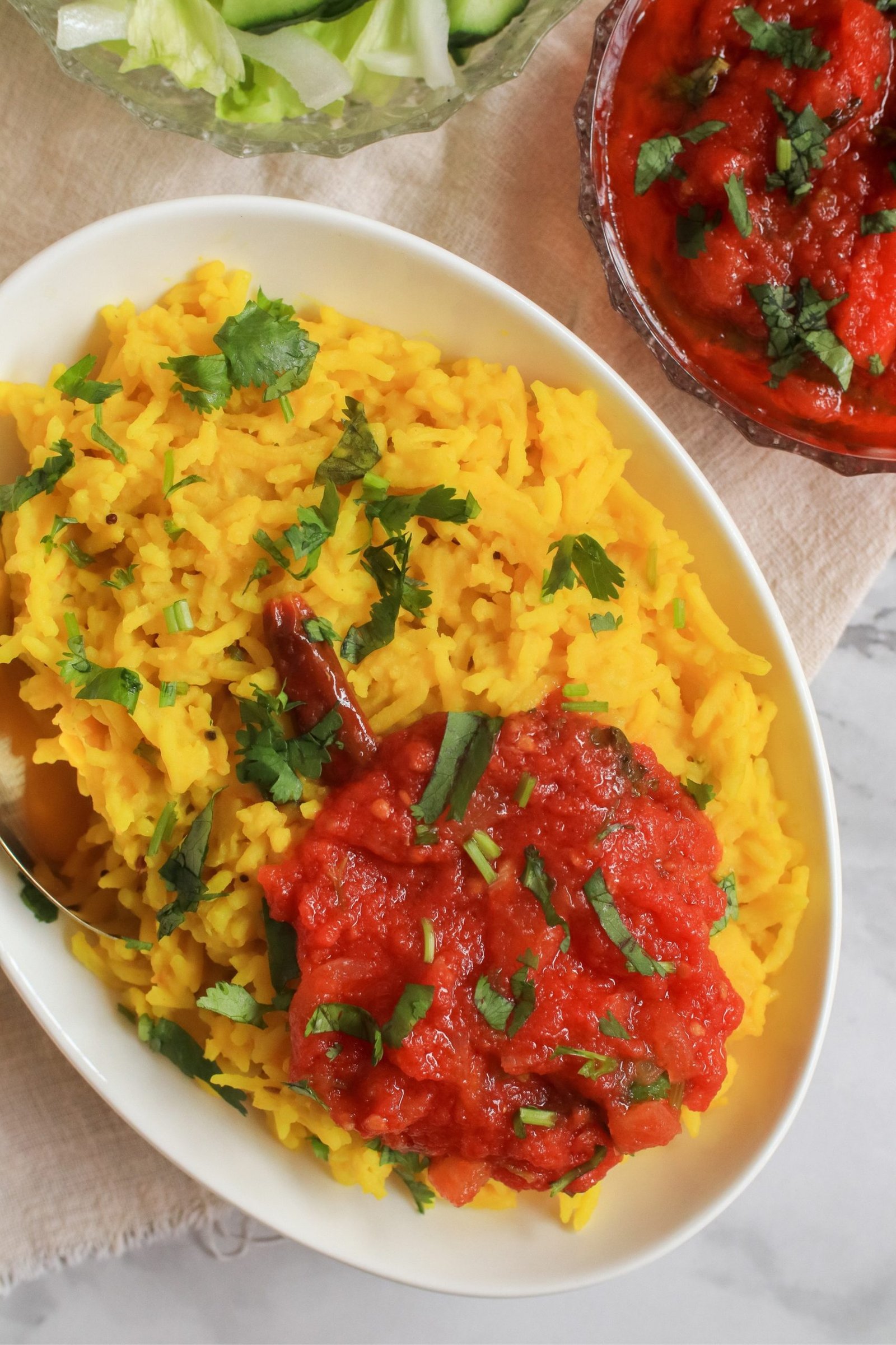
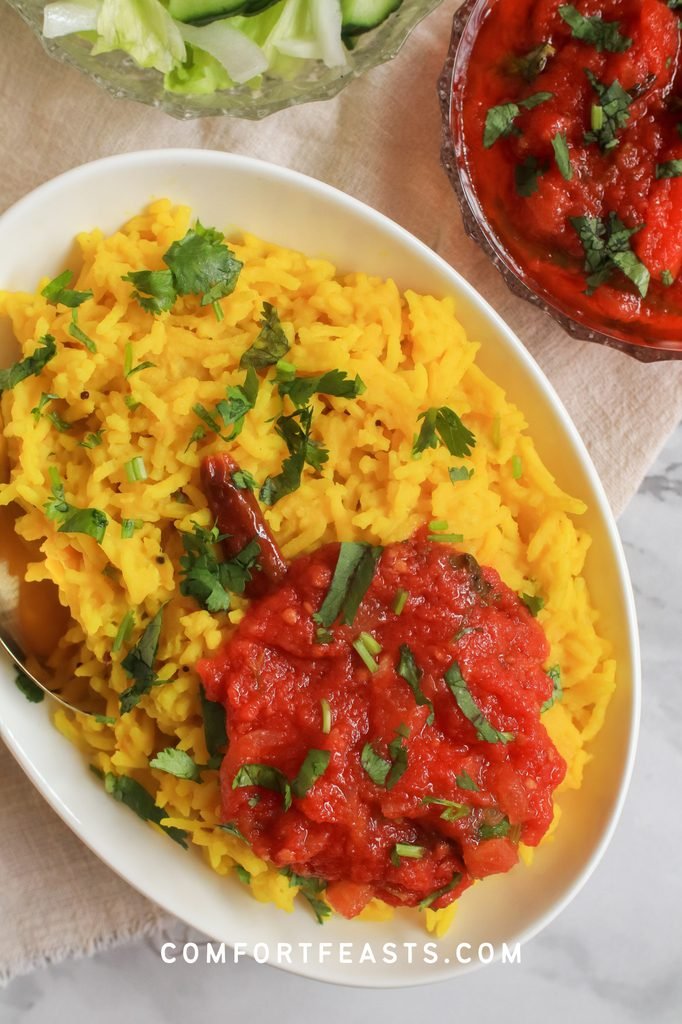
My mum made this kitchari during the Purtassi fasting month and it went perfectly with her easy, spicy tomato chutney. It’s simple, warm and so comforting, and it’s still the meal I make when I want something filling and uncomplicated. Basmati rice is part-cooked with turmeric, then finished in a pot of braised dhal flavoured with cumin, mustard seeds, curry leaves, garlic and dried chillies. The rice soaks up all that spiced liquid, and a knob of margarine on top makes it glossy and rich.
Why You’ll Love This Kitchari Recipe
- A complete comfort meal – Rice and dhal cook together and it feels like a comforting meal without any side dishes.
- Packed with flavour – Cumin, mustard seeds, curry leaves, garlic, ginger and dried chillies are all toasted in oil and margarine, so every spoonful tastes rich and aromatic.
- Simple, everyday ingredients – Basmati rice, boiled dhal and a handful of spices are all you need, and most of it is probably in your pantry already.
- Perfect for feeding a crowd – With 3 cups of rice, this makes a generous pot that is ideal for family meals, gatherings and leftovers.
- Naturally vegetarian – It uses no meat or fish, and it is easy to keep vegan by checking your margarine label.
- Great for making ahead – It reheats beautifully, so it works for meal prep and lunchboxes.
Ingredients for Kitchari
For the rice
Basmati rice: Basmati stays fluffy and keeps its long grains as long as you do not over mix, even after it finishes cooking in the dhal. Substitute: Any long grain rice, though basmati rice is lighter.
Turmeric: It gives the rice a bright golden colour and an earthy, warm flavour.
Rough salt (to taste): Coarse salt seasons the rice as it cooks. Substitute: Fine salt, using slightly less.
For the braised dhal
Vegetable oil: It carries the flavour of the spices and helps the onion soften. Substitute: Any neutral oil.
Jeera seeds: Cumin seeds add a warm, nutty base flavour when toasted in hot oil.
Mustard seeds: They pop in the oil and add a slightly sharp, earthy taste.
Onion: It cooks down into the dhal and adds sweetness and body.
Margarine: Some is cooked into the dhal and the rest goes on top of the finished rice for a rich, glossy finish. Substitute: Ghee or butter.
Curry leaves: They add a citrusy, aromatic flavour that is hard to replace. Tip: Fresh leaves give the best flavour.
Dried red chillies: They bring gentle heat and a smoky flavour. Break them apart to release their heat.
Garlic: It adds depth and savoury flavour to the dhal.
Ginger and garlic: This is ginger and garlic paste, and it deepens the flavour of the braise.
Turmeric: It adds colour and an earthy warmth to the dhal.
Yellow split pea dhal: Boiled until soft, they break down into a thick, creamy base that gives the kitchari its body. Tip: Pressure cook a big batch of dhal ahead of time and freeze it in portions, so the dish comes together much faster.
Boiling water: It helps to cook the dhal and gives the rice enough liquid to finish cooking.
Rough salt (to taste): Season so the flavours come together.
How to Make Kitchari
Step 1: Part-cook the rice. Cook the basmati rice with the turmeric and a little rough salt for about 15 minutes. The rice should not be fully cooked at this stage, because it will finish cooking in the dhal. Drain off any excess water and set the rice aside.
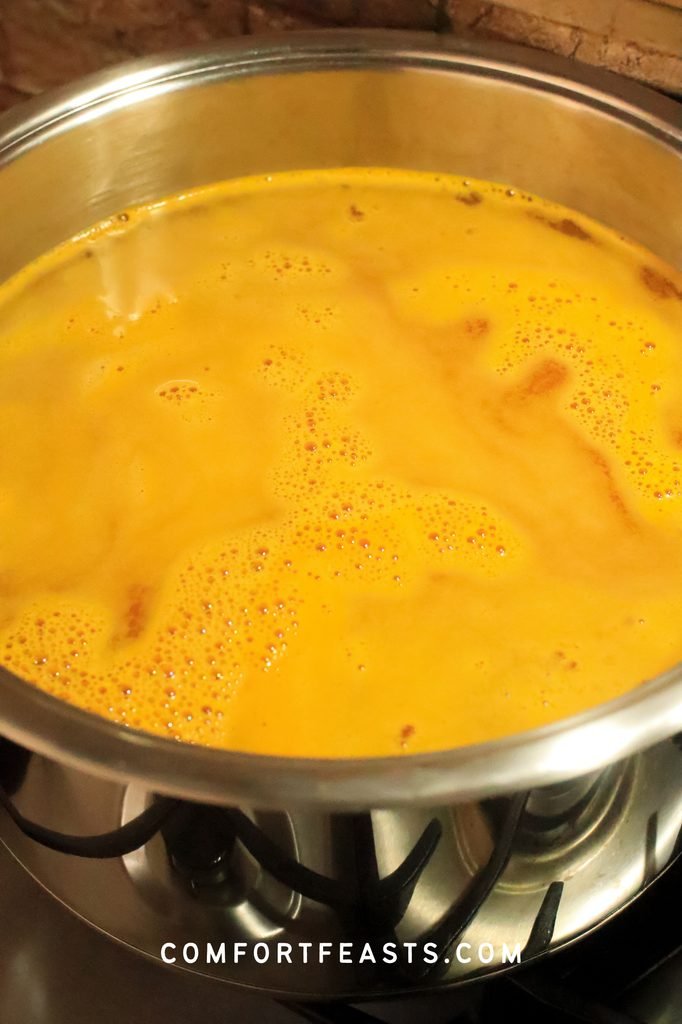
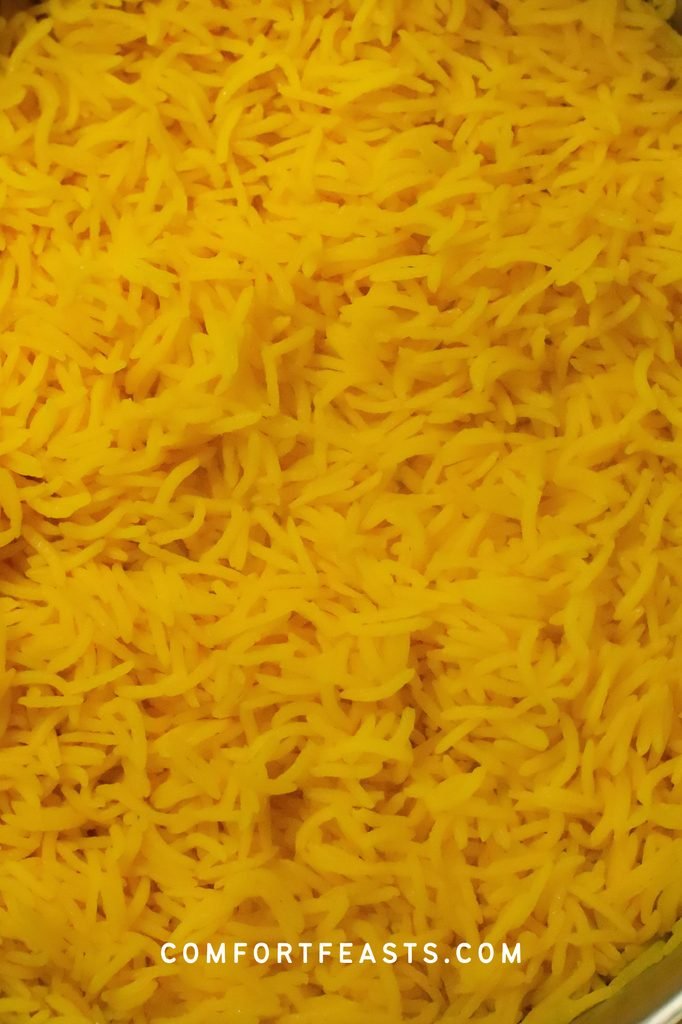
Step 2: Toast the spices. Heat the oil in a large pot over medium heat. Add the jeera seeds and mustard seeds and let them sizzle and pop for a few seconds. Then add the sliced onion and cook until translucent.
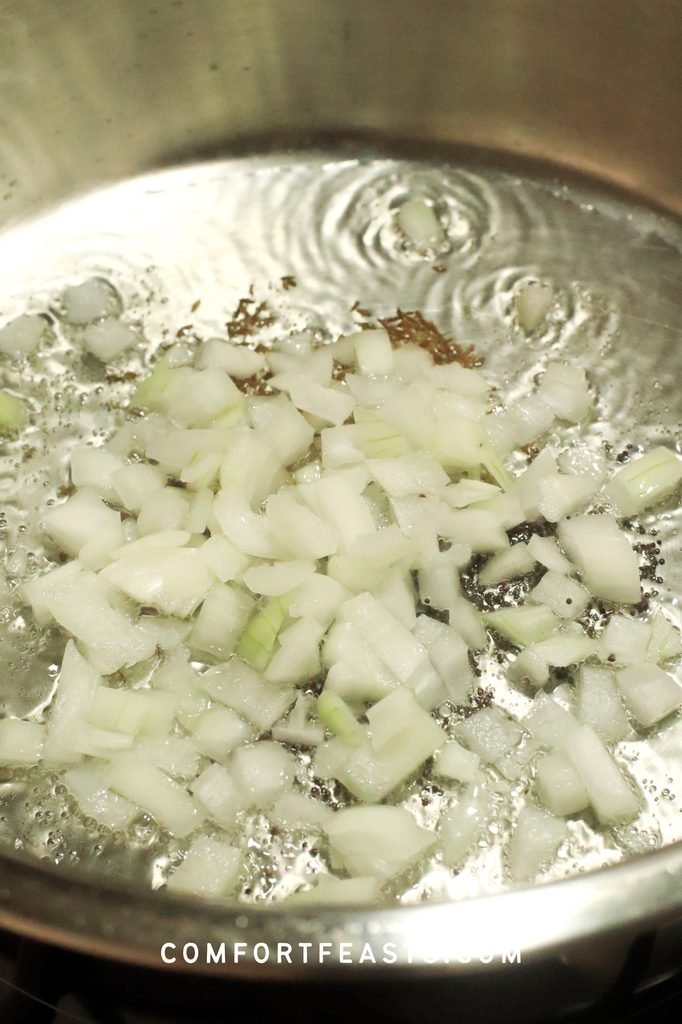
Step 3: Braise the dhal. Add the margarine, curry leaves, dried red chillies, garlic cloves, ginger and garlic, and turmeric. Stir for a minute until fragrant, then add the boiled dhal, 1 liter of boiling water and salt. Let it cook for a little while so the flavours come together.
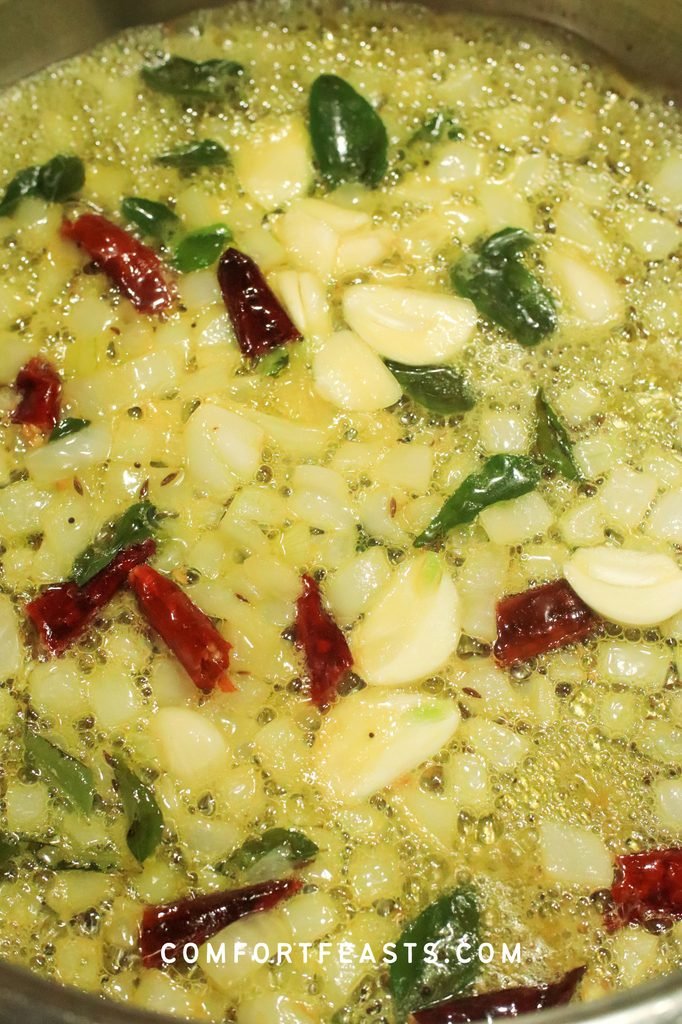
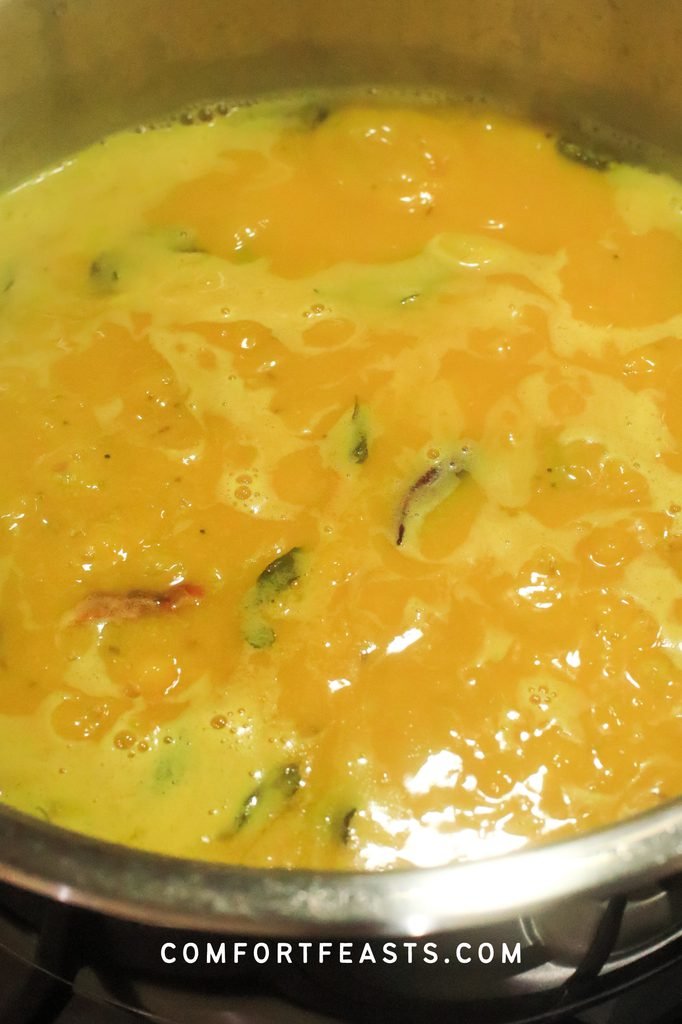
Step 4: Add the rice. Add the part-cooked rice to the pot along with the remaining 500 milliliters of boiling water and stir gently. The rice will now absorb the liquid as it finishes cooking. Keep the heat low and avoid stirring too much, so the grains stay whole.
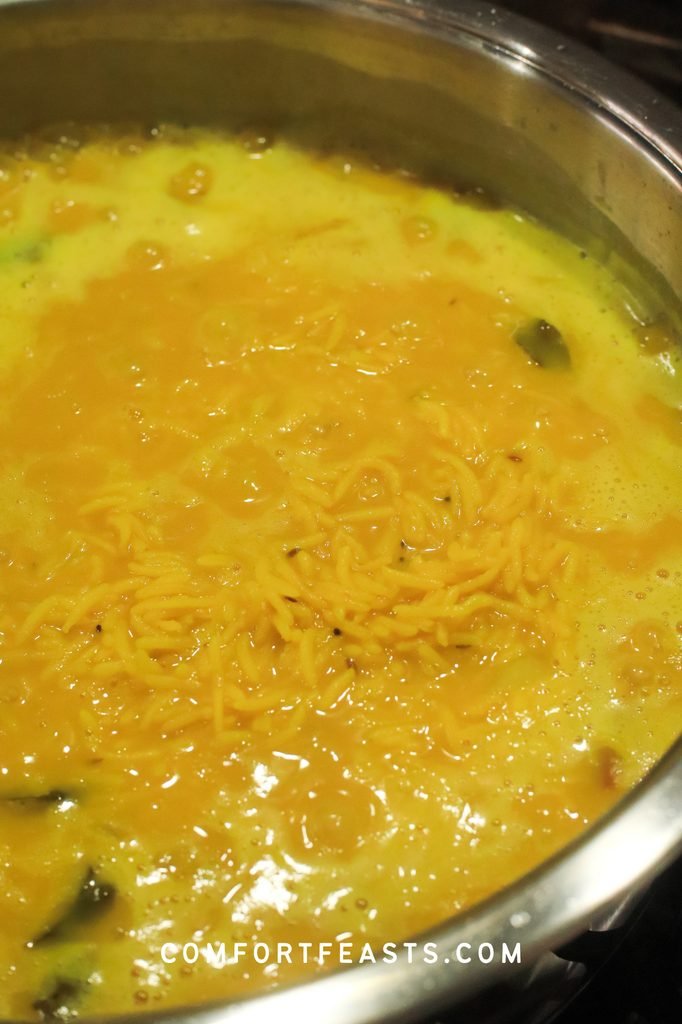
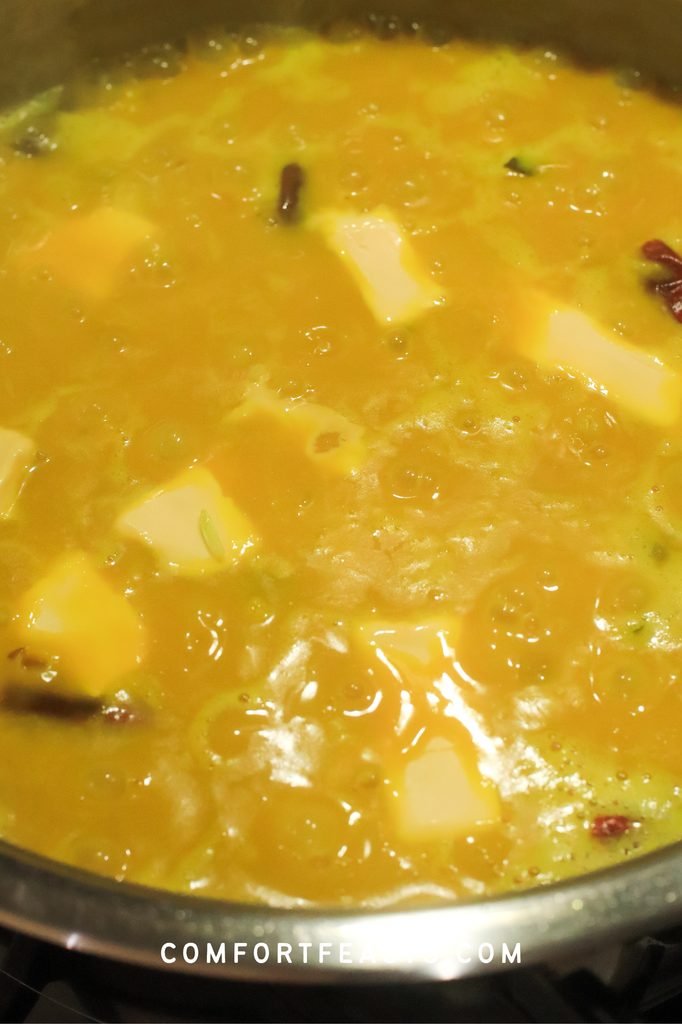
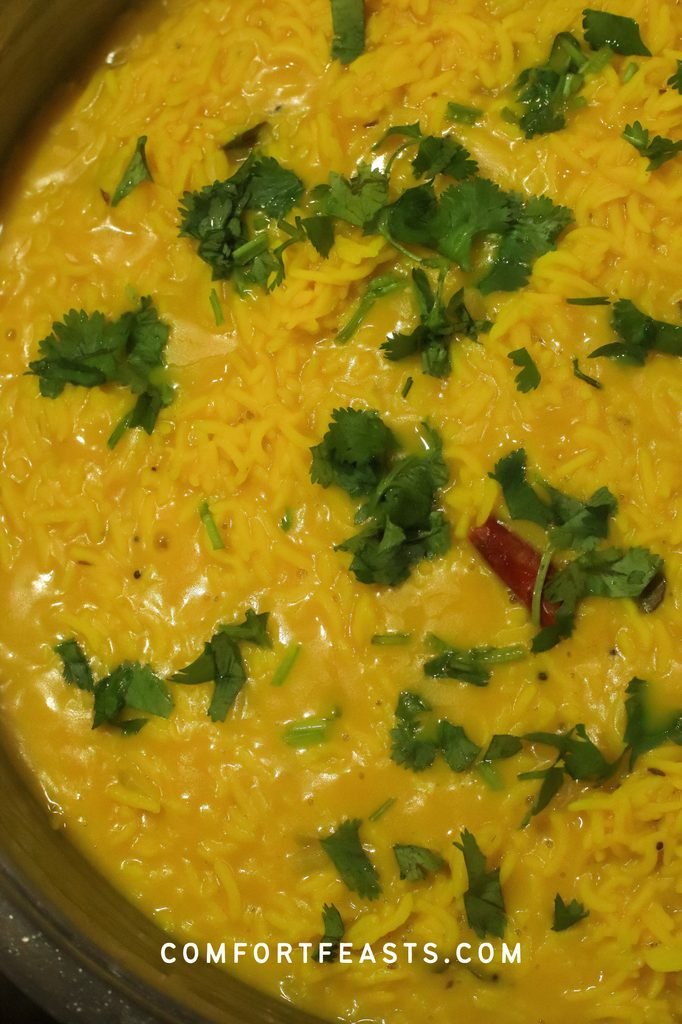
Step 5: Finish with margarine and garnish. Place the remaining margarine on top of the rice. Take the pot off the stove while there is still a little liquid left, because the rice will keep absorbing as it rests. If you cook it until all the liquid has gone, the kitchari will turn out dry. You can then garnish with fresh coriander.
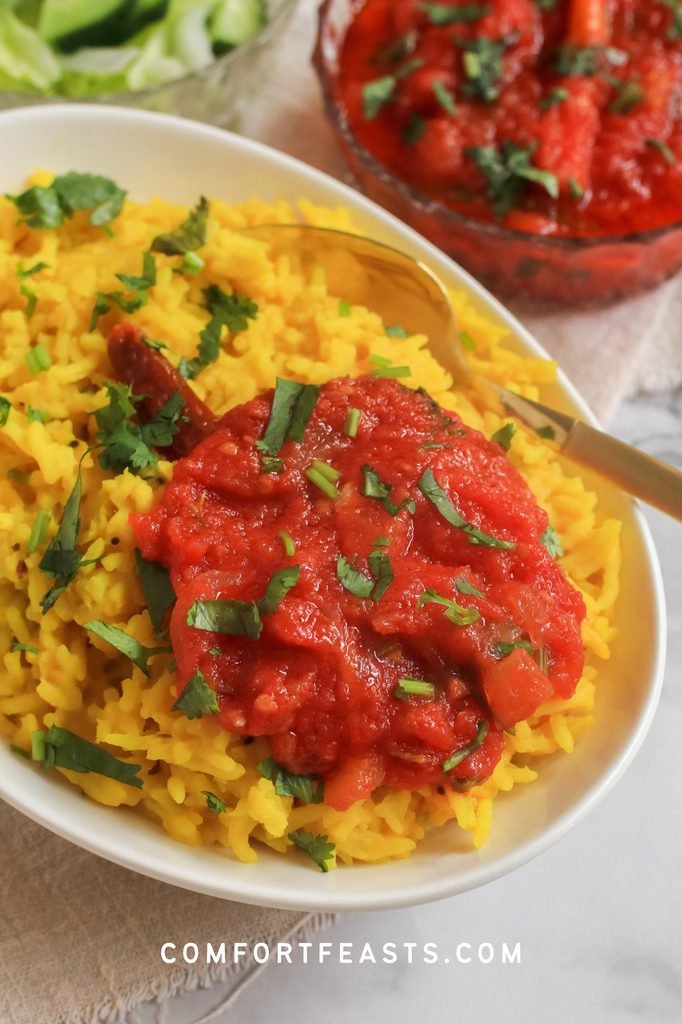
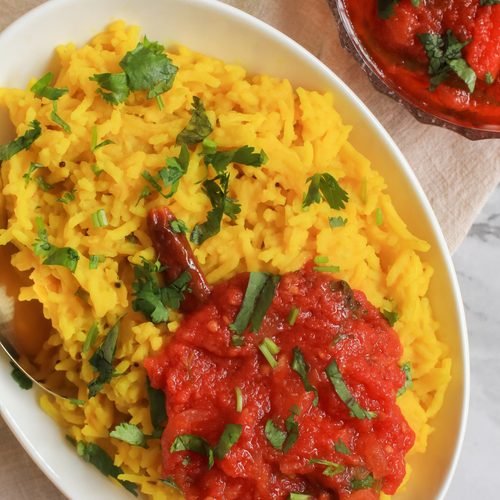
Step 6: Serve. Spoon the kitchari into bowls while it’s hot and top with a spoonful of my tomato chutney. This is how my family enjoys it! The tangy, spicy-sweet chutney cuts through the buttery rice and adds a spicy kick.
Tips for the Best Kitchari
- Don’t fully cook the rice first – The rice finishes cooking in the dhal, so stopping at about 15 minutes lets it absorb all the flavours later on without turning mushy.
- Take it off the heat while it is still moist – The kitchari continues to absorb liquid as it rests, so a little moisture in the pot gives you soft, juicy rice instead of a dry one.
- Toast the whole spices in hot oil – Wait until the jeera and mustard seeds sizzle and pop, as this releases their flavour and makes the whole dish more fragrant.
- Stir gently once the rice goes in – Rough stirring breaks the grains and makes the rice mushy, so fold it through carefully.
- Taste and season at the end – The dhal and rice both absorb salt, so adjust the seasoning once everything is cooked together.
Can I Make Kitchari Ahead of Time?
Yes. You can pressure cook the dhal ahead of time and freeze it in batches, then cook the rice and assemble everything when you’re ready. You can also make the whole pot ahead and reheat it gently.
How to Store Kitchari
Fridge: Once the kitchari has cooled down, keep it in an airtight container for up to 3 days.
Freezer: Freeze in portions for up to 2 months. Thaw overnight in the fridge before reheating.
To reheat: Warm in a pot over low heat with a splash of water, stirring gently, until hot all the way through. A microwave also works. Add a little water and heat in short bursts.
Frequently Asked Questions
What is kitchari?
Kitchari is a comforting Indian dish made of rice and dhal cooked together with spices. You may also see it written as khichdi or kichri, and the recipes vary from region to region.
Is kitchari vegan?
It can be. All the ingredients are plant-based as long as your margarine contains no dairy, so check the label.
Is kitchari gluten-free?
Rice and dhal are naturally gluten-free, but check your spices and margarine labels if you are cooking for someone who follows a gluten-free diet.
Why is my kitchari dry?
It usually means the liquid evaporated completely before the pot came off the heat. Take it off while there is still some liquid.
Why is my kitchari mushy?
The rice was probably cooked too long before it went into the dhal, or it was stirred too roughly. Stop the first cook at 15 minutes and fold the rice in gently.
Can I use brown rice?
You can, but brown rice takes much longer to cook, so the timing and the amount of liquid will need adjusting.
⭐ Tried this recipe? Leave a star rating and a comment below. I’d love to hear how your kitchari turned out!
Ingredients
- 3 cups (600g) basmati rice
- 1 tbsp turmeric
- rough salt to taste
- 1/4 cup vegetable oil
- 1/2 tsp jeera seeds
- 1/2 tsp mustard seeds
- 1 onion
- 100g margarine
- 1 sprig curry leaves
- 5 dried red chillies
- 3 cloves garlic
- 1 tsp ginger and garlic
- 1 tsp turmeric
- 250g boiled dhal
- 1.5 litres boiling water
- rough salt to taste
Instructions
- Cook the basmati rice with the turmeric and a little rough salt for about 15 minutes. The rice should not be fully cooked at this stage, because it will finish cooking in the dhal. Drain off any excess water and set the rice aside.
- Heat the oil in a large pot over medium heat. Add the jeera seeds and mustard seeds and let them sizzle and pop for a few seconds. Then add the sliced onion and cook until translucent.
- Add the margarine, curry leaves, dried red chillies, garlic cloves, ginger and garlic, and turmeric. Stir for a minute until fragrant, then add the boiled dhal, 1 liter of boiling water and salt. Let it cook for a little while so the flavours come together.
- Add the part-cooked rice to the pot along with the remaining 500 milliliters of boiling water and stir gently. The rice will now absorb the liquid as it finishes cooking. Keep the heat low and avoid stirring too much, so the grains stay whole.
- Place the remaining margarine on top of the rice. Take the pot off the stove while there is still a little liquid left, because the rice will keep absorbing as it rests.
- Spoon the kitchari into bowls while it’s hot and top with a spoonful of my tomato chutney.
Notes
- Do not fully cook the rice first, as it finishes cooking in the dhal.
- Remove the pot from the heat while it is still moist, as the rice keeps absorbing liquid as it rests.
- Stir gently once the rice is added so the grains stay whole.
- Swap the margarine for ghee or butter for a richer flavour.
- Store in the fridge for up to 3 days or freeze for up to 2 months. Reheat with a splash of water (only if needed).