Creamy Vermicelli Pudding (Semiya Payasam)
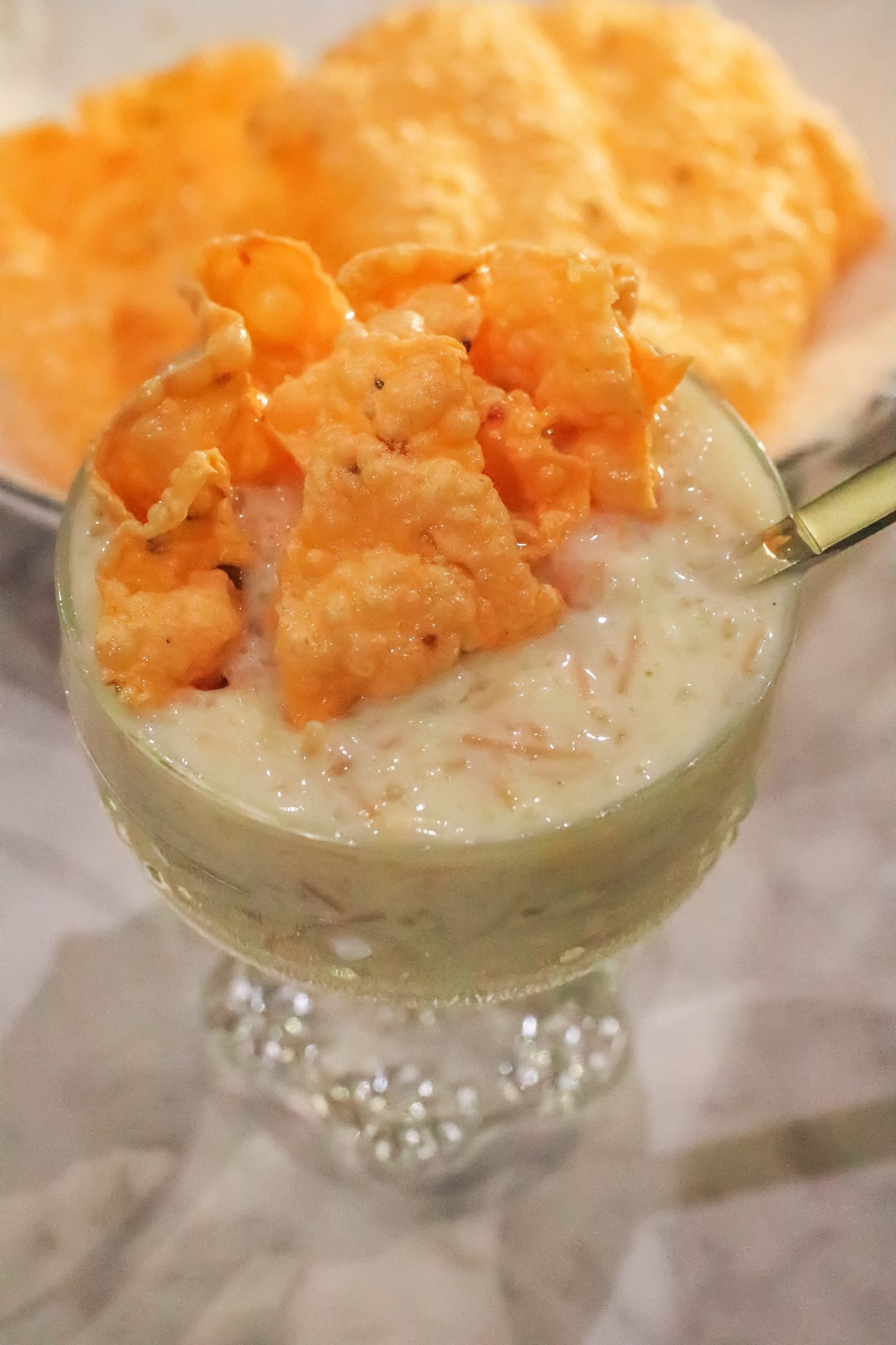
This vermicelli pudding (semiya payasam) is a much-loved South Indian dessert, traditionally made for festivals and celebrations, but it is simple enough to make any time you want something warm and sweet. Fine vermicelli is toasted with a cinnamon stick and cardamom, stirred with margarine, sugar and boiling water until soft, then simmered with full cream milk and sago. You can serve it hot straight from the pot or chilled from the fridge. Love vermicelli desserts? You might also like the dairy free version which is my sweet vermicelli (meethi seviyan).

Why You’ll Love This Vermicelli Pudding
- Creamy and comforting – Full cream milk and sago give the pudding a creamy, spoonable texture that feels rich without being heavy.
- Two lovely textures in one bowl – Soft vermicelli strands and sago pearls make every mouthful interesting.
- Fragrant with warm spices – Cinnamon and cardamom bring a gentle, aromatic sweetness that makes the whole kitchen smell inviting.
- Made with simple ingredients – Vermicelli, margarine, boiling water, sago, milk, sugar and a few whole spices are all you need, and most are everyday pantry items.
- Lovely hot or cold – Serve it warm or chill it for a refreshing dessert later on.
- Perfect for sharing – It makes a generous pot, so it works well for family dinners, festive tables and get-togethers.
Ingredients for Vermicelli Pudding
Vermicelli: This is the base of the pudding. Fine vermicelli softens quickly and soaks up the milk, giving the dessert its signature texture.
Cinnamon stick: It infuses the pudding with a warm, fragrant spice while the vermicelli toasts. Remove it before serving. Substitute: Half a teaspoon of ground cinnamon, stirred in with the sugar.
Cardamom pods (elachi): These give the pudding its fragrant, floral aroma. Lightly crush the pods before adding them so the seeds release more flavour. Substitute: ½ teaspoon of ground cardamom.
Margarine: It coats the toasted vermicelli and adds a buttery richness. Substitute: Ghee or butter for a richer flavour.
Boiling water: It cooks the vermicelli and dissolves the sugar before the milk goes in. Using boiling water keeps the pot hot so the cooking doesn’t stall.
White sugar: It sweetens the pudding gently. Adjust: Start with a little less if you like it lightly sweet, then taste at the end and stir in more if needed.
Full cream milk: It gives the pudding its creamy body and rich flavour. Substitute: Evaporated milk for extra richness, or a full-fat plant-based milk to make it dairy free.
Sago (rinsed and soaked): These small pearls cook down until soft and translucent and help thicken the pudding. Rinsing and soaking them first washes off excess starch, prevents a gluey texture and helps the pearls cook evenly.
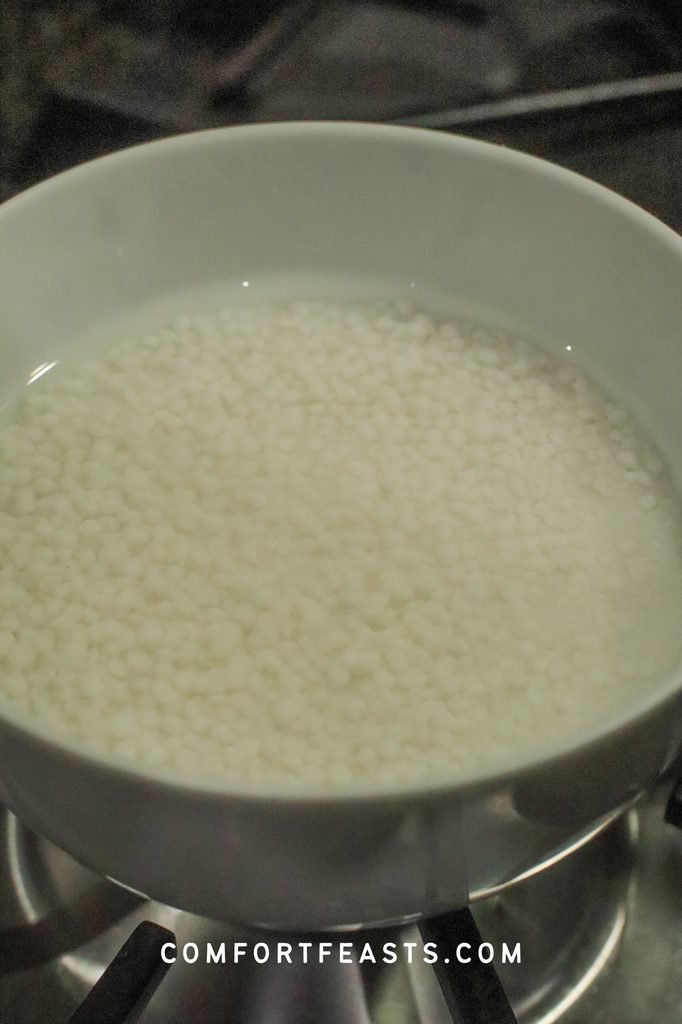
How to Make Vermicelli Pudding
Step 1: Toast the vermicelli. Add the vermicelli, cardamom pods and cinnamon stick to a large, flat pot. Toast over low heat, stirring often, for a few minutes until the vermicelli turns light golden brown. Watch it closely, because vermicelli browns fast and can burn quickly.
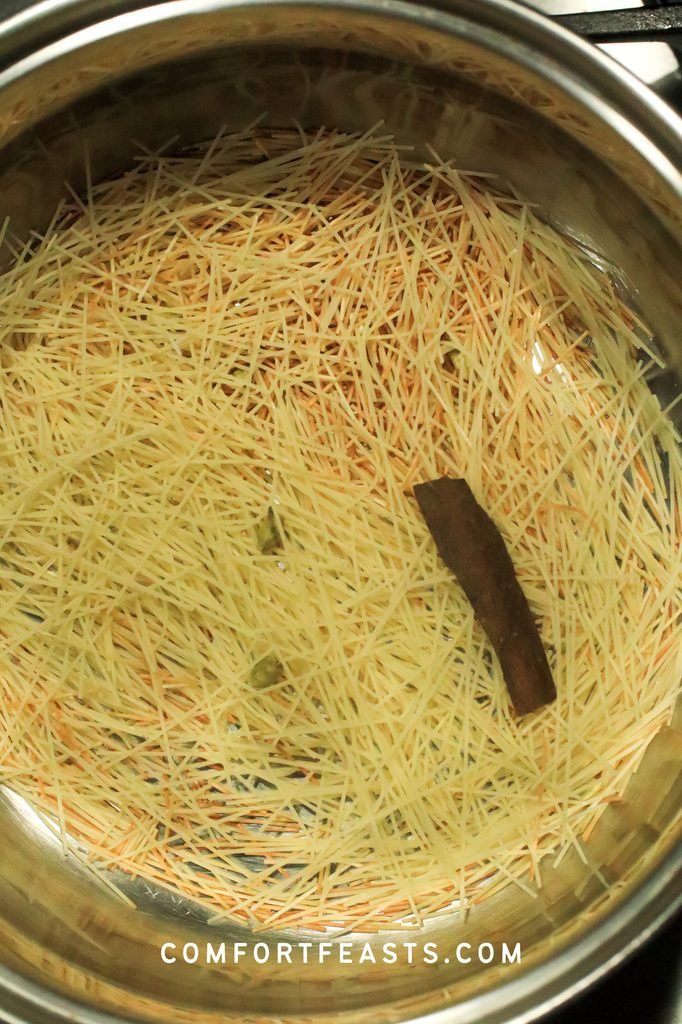
Step 2: Add the margarine. Add the margarine and stir until the margarine has melted and coats the vermicelli. Keep cooking on low heat for another minute or two until fragrant.
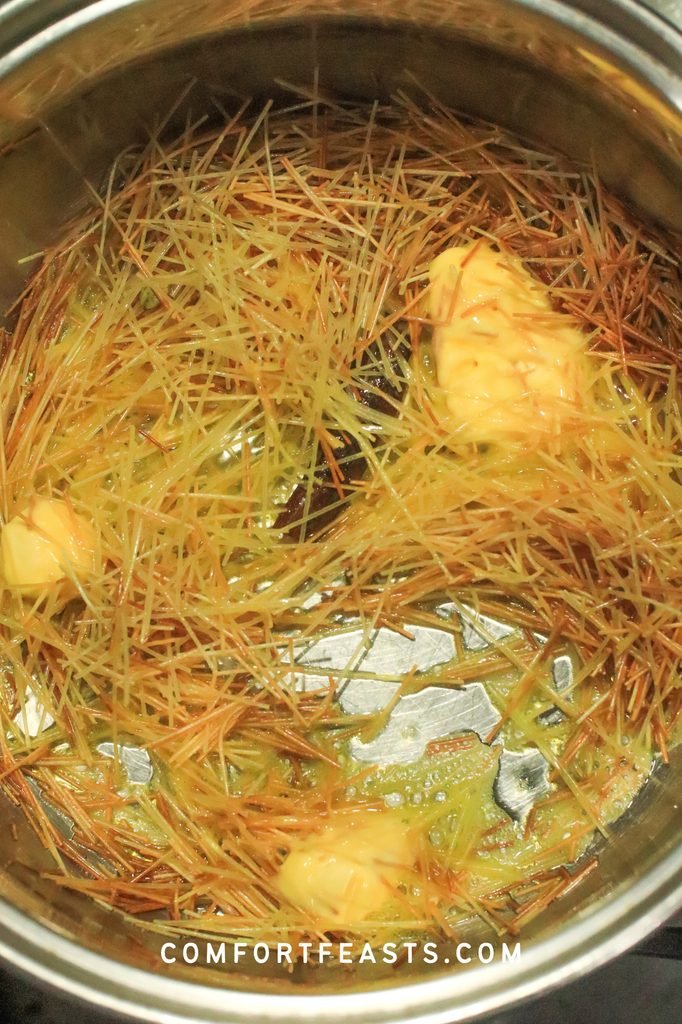
Step 3: Add the water and sugar. Carefully pour in the boiling water, standing back slightly as it will steam and splutter. Add the sugar and stir well until it dissolves. Cook over low heat, stirring occasionally, until the vermicelli is soft and most of the water has been absorbed.
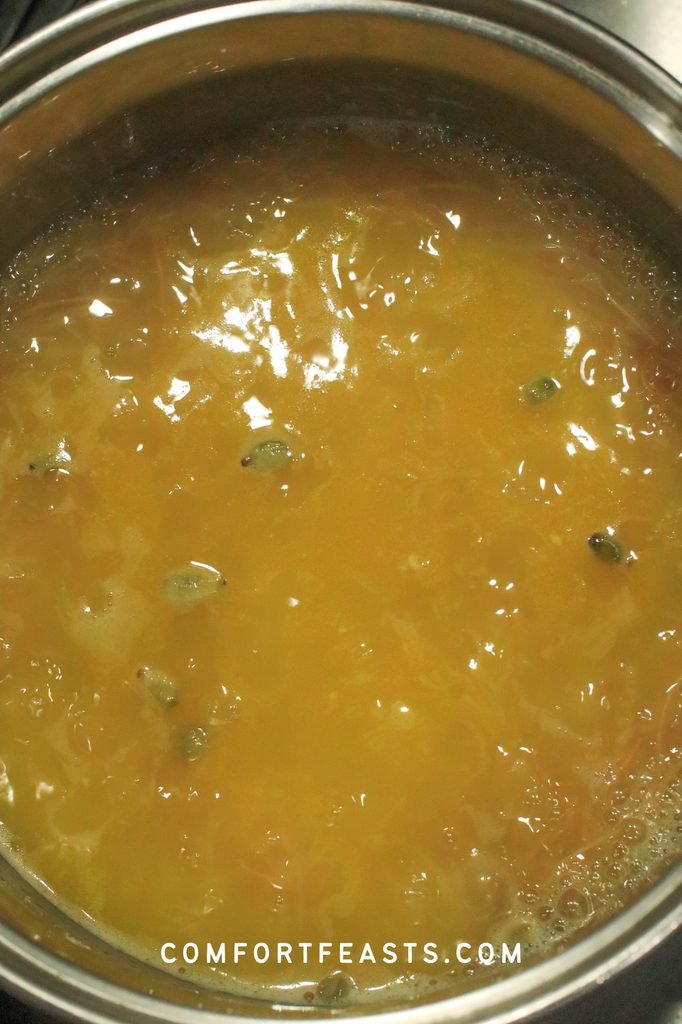
Step 4: Add the sago and milk. Drain the soaked sago and add it to the pot, then pour in the milk. Stir well so the sago doesn’t clump together.
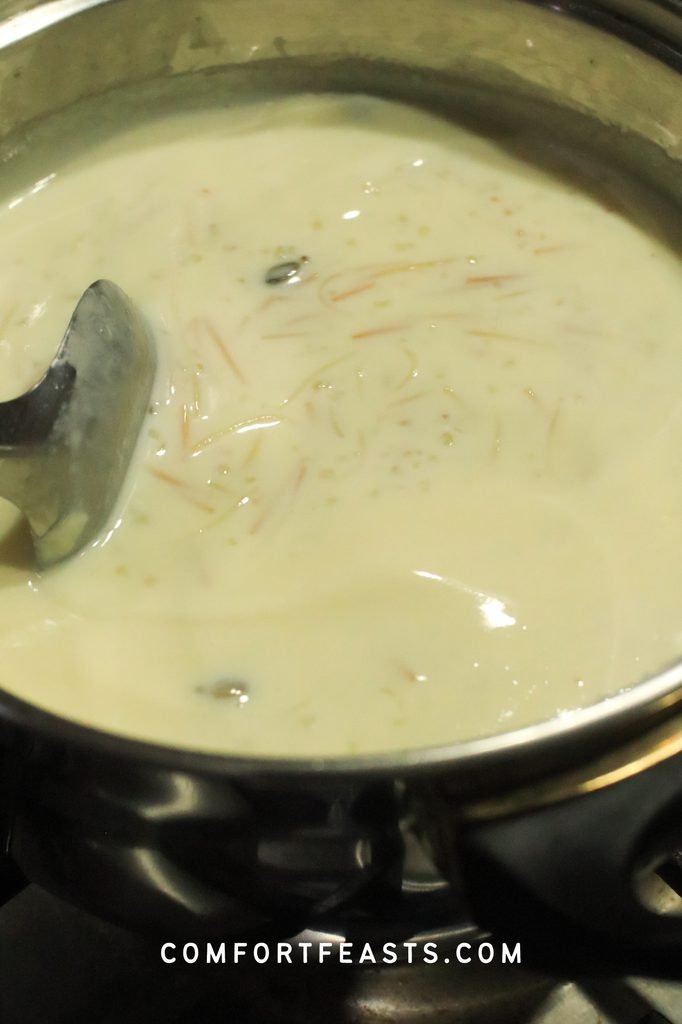
Step 5: Bring to a boil, then simmer until creamy. Heat the mixture over medium heat, stirring often, until the milk comes to a gentle boil. Reduce the heat to low and simmer, stirring frequently, until the sago turns translucent and the pudding thickens. Keep stirring to prevent the milk from catching on the bottom of the pot.
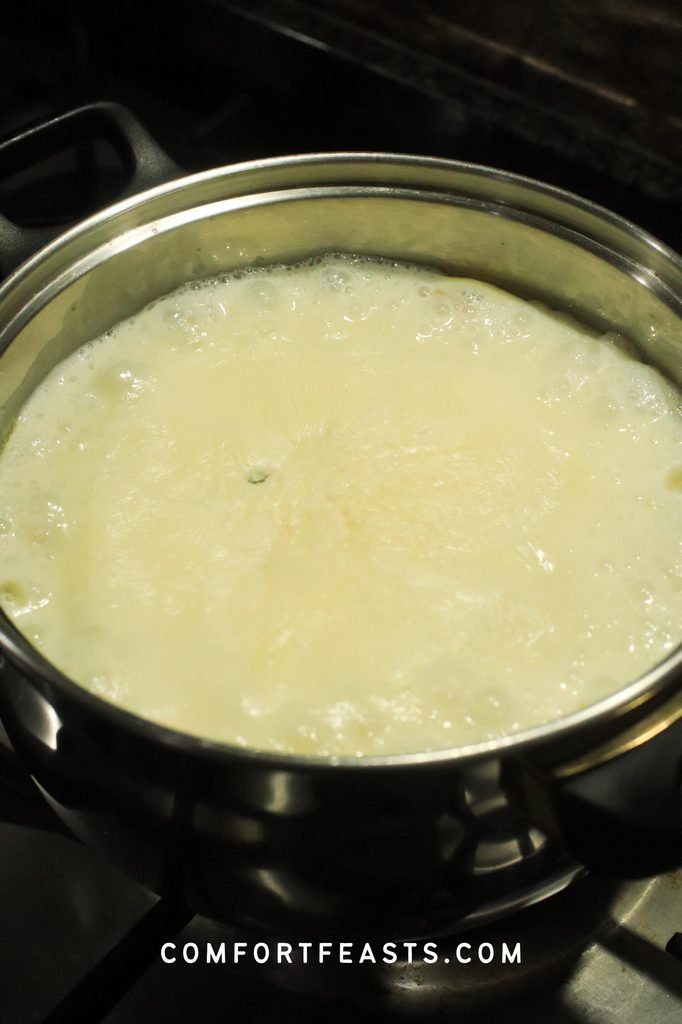
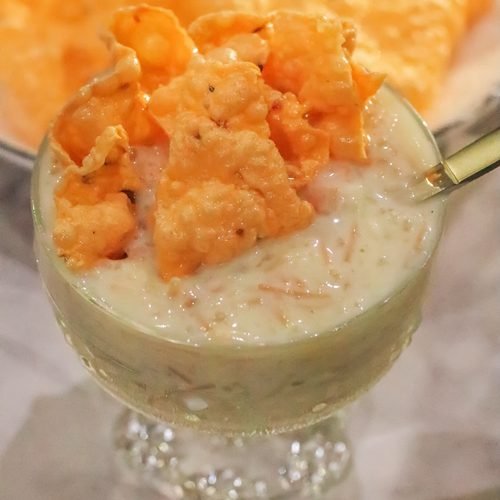
Step 6: Rest and serve. Remove the cinnamon stick and let the pudding rest for a few minutes. It will thicken a little more as it cools. Serve warm with papadam, or chill until cold.

Tips for the Best Vermicelli Pudding
- Toast the vermicelli on low heat – It goes from pale to burnt in moments, so keep the heat low and stir constantly. An even golden colour gives you a nuttier, more rounded flavour.
- Rinse and soak the sago first – Rinsing removes excess starch and soaking helps the pearls cook evenly, so you don’t end up with hard centres.
- Stir gently and often once the milk goes in – Sago settles and sticks to the bottom of the pot easily, and frequent stirring keeps the pudding smooth and stops it catching.
- Keep the heat low – Milk can scorch quickly, so a gentle boil gives you a creamy pudding without a burnt taste.
- Don’t over-thicken it in the pot – The pudding keeps thickening as it cools, so take it off the heat while it is still a little looser than you want.
- Loosen with milk if needed – If your pudding firms up too much, stir in a splash of warm milk until it reaches the consistency you like.
Can I Make Vermicelli Pudding Ahead of Time?
Yes. It keeps well, so you can make it a few hours or even a day in advance. It will thicken as it sits, so reheat it gently with a splash of milk, or serve it chilled straight from the fridge.
How to Store Vermicelli Pudding
Fridge: Keep it in an airtight container for up to 3 days.
To reheat: Warm it in a pot over low heat with a splash of milk, stirring until smooth. You can also microwave it in short bursts, stirring in between.
Freezer: I don’t recommend freezing it, as milk and sago can change texture once thawed.
Frequently Asked Questions
What is semiya payasam?
Semiya payasam is a South Indian milk pudding made with vermicelli (semiya), milk, sugar and spices. Sago is a popular addition because it makes the pudding thicker and creamier.
What is sago?
Sago is a starch extracted from tropical palm species and comes as small pearls. They turn soft and translucent when cooked and add a gentle chew.
Do I have to soak the sago?
Yes, soaking helps the pearls cook evenly and keeps them from turning hard in the middle or clumping in the pot.
Is this vermicelli pudding vegetarian?
Yes, as long as your vermicelli contains no egg, so check the packet label.
Is it gluten-free?
No. Vermicelli is made from wheat, so this pudding is not gluten-free diet.
Can I make it vegan?
You can swap the milk for a full-fat plant-based milk such as coconut milk and use a plant-based margarine. The flavour and texture will be slightly different.
Can I serve it cold?
Yes. It is delicious chilled. Add a splash of cold milk to loosen it if it has thickened too much.
Can I add nuts or raisins?
Absolutely. Toasted cashews, almonds, pistachios or raisins are all lovely stirred in at the end or scattered on top.
Why is my pudding too thick?
It will thicken as it cools. Stir in a splash of warm milk to bring it back to a creamy consistency.
⭐ Tried this recipe? Leave a star rating and a comment below. I’d love to hear how your creamy vermicelli pudding (semiya payasam) turned out!
Ingredients
- 150g vermicelli
- 1 cinnamon stick
- 5 elachi pods
- 50g margarine
- ½ litre boiling water
- ½ cup (125ml) white sugar
- 100g sago (rinsed and soaked)
- 600ml full cream milk
Instructions
- Add the vermicelli, cardamom pods and cinnamon stick to a large, flat pot. Toast over low heat, stirring often, for a few minutes until the vermicelli turns light golden brown. Watch it closely, because vermicelli browns fast and can burn quickly.
- Add the margarine and stir until the margarine has melted and coats the vermicelli. Keep cooking on low heat for another minute or two until fragrant.
- Carefully pour in the boiling water, standing back slightly as it will steam and splutter. Add the sugar and stir well until it dissolves. Cook over low heat, stirring occasionally, until the vermicelli is soft and most of the water has been absorbed.
- Drain the soaked sago and add it to the pot, then pour in the milk. Stir well so the sago doesn’t clump together.
- Heat the mixture over medium heat, stirring often, until the milk comes to a gentle boil. Reduce the heat to low and simmer, stirring frequently, until the sago turns translucent and the pudding thickens. Keep stirring to prevent the milk from catching on the bottom of the pot.
- Remove the cinnamon stick and let the pudding rest for a few minutes. It will thicken a little more as it cools. Serve warm with papadam, or chill until cold.
Notes
- Rinse the sago well and soak it before cooking so the pearls cook evenly.
- Toast the vermicelli on low heat and stir constantly, as it burns very quickly.
- The pudding thickens as it cools, so take it off the heat while it is still slightly loose.
- Loosen with a splash of warm milk if it firms up too much.
- Store in the fridge for up to 3 days and reheat gently with a splash of milk. Not suitable for freezing.
- Stir in toasted nuts or raisins at the end for extra texture.