Easy Vanilla Cake
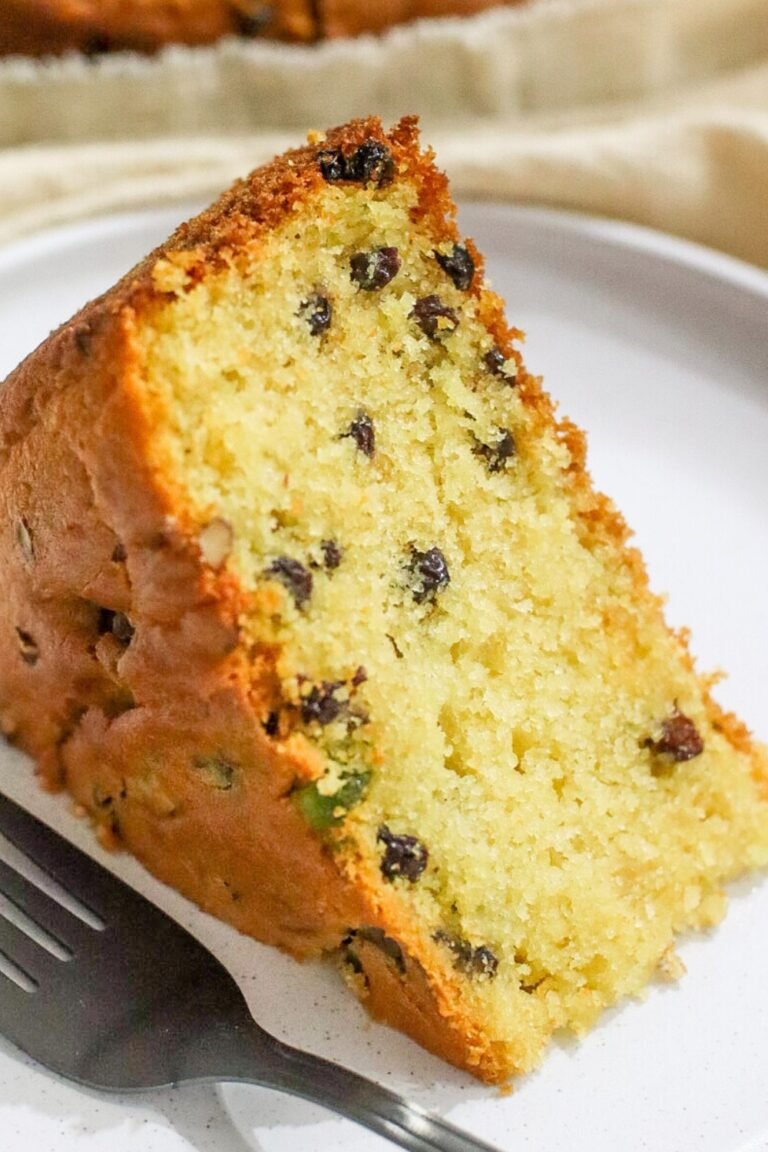
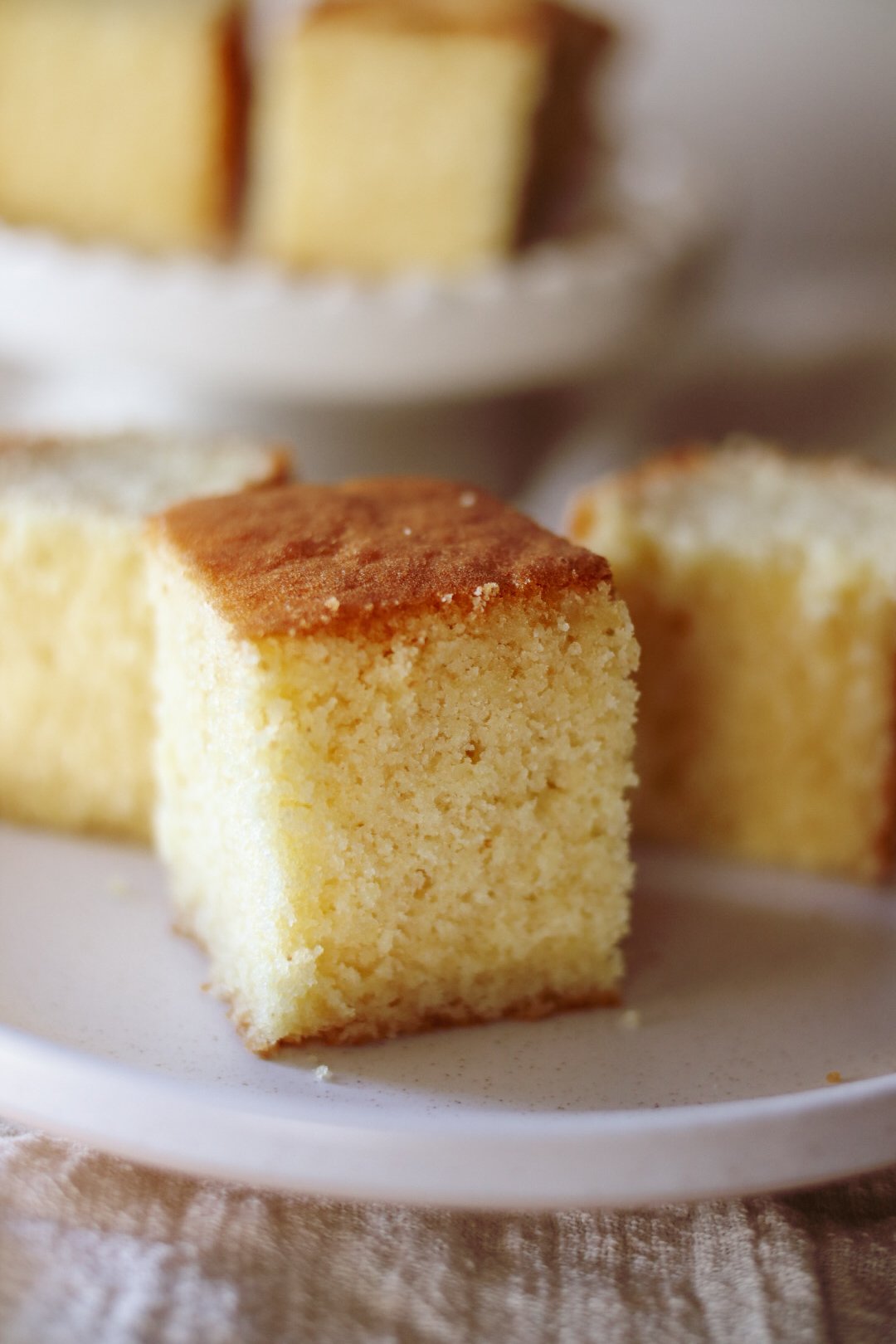
This easy vanilla sheet cake is soft, light, and perfectly fluffy, with a moist crumb and rich buttery flavour. It’s a simple, reliable recipe that turns out beautifully every time, ideal for birthdays, tea time, celebrations, or whenever you need a classic vanilla sponge.
Why You’ll Love This Recipe
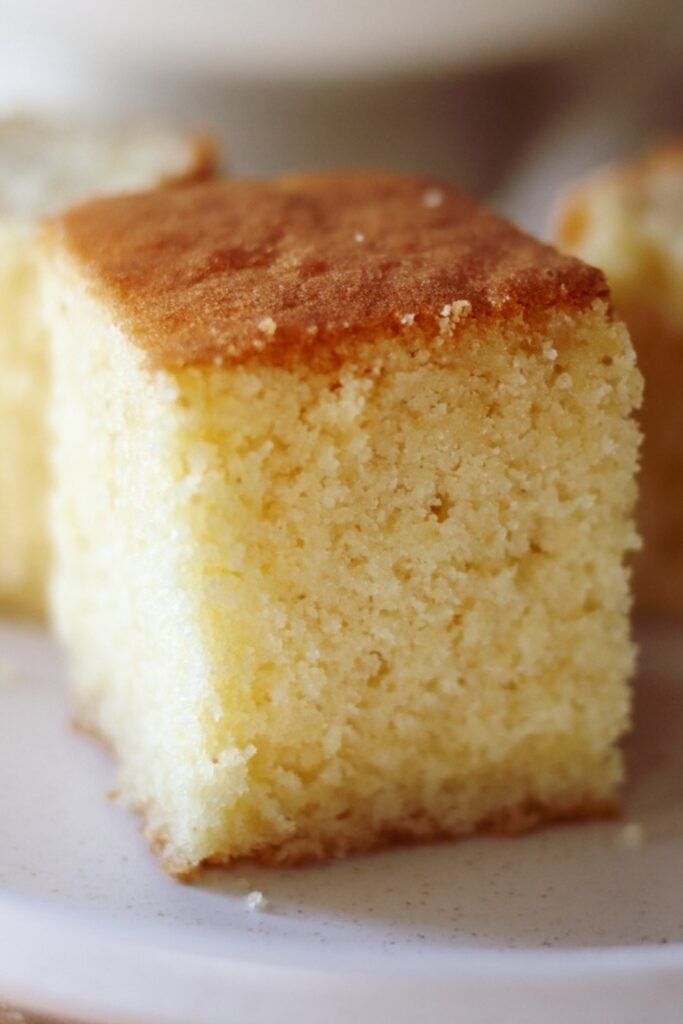
Soft and fluffy texture – This vanilla sheet cake has a light, airy crumb thanks to properly creamed butter and sugar.
Easy and beginner-friendly – This simple vanilla cake recipe uses basic pantry ingredients and straightforward steps.
Perfect for any occasion – Serve it plain, dusted with icing sugar, or topped with your favourite frosting.
Great for sharing – Cuts neatly into squares for parties, school events, or family gatherings.
Ingredients
Butter – Use unsalted butter at room temperature for the best flavour and texture. Real butter gives a richer, softer crumb compared to margarine. If using salted butter, reduce the added salt slightly.
White sugar – Use granulated white sugar. It creams well with butter and helps create a light, fluffy vanilla cake. Avoid brown sugar, as it will change the flavour and texture.
Eggs – Use large eggs at room temperature. Room temperature eggs mix more evenly into the batter and help create a smoother, lighter texture.
Milk – Use full cream milk for the most tender and moist vanilla sheet cake. Lower-fat milk can be used, but full cream gives the best result.
Vanilla extract – Use pure vanilla extract for the best flavour. Imitation vanilla essence can be used, but pure extract gives a deeper, more natural vanilla taste.
Cake flour – Cake wheat flour works perfectly for this recipe. For an even softer, lighter crumb, you can substitute with cake flour if available.
Baking powder – Use fresh baking powder to ensure a proper rise. If your baking powder is old, the cake may not rise well.
Salt – Use fine salt to balance the sweetness and enhance the vanilla flavour.
How to Make Easy Fluffy Vanilla Sheet Cake
Step 1: Prepare the oven
Preheat your oven to 180°C. Grease and line your baking tin.
Note: Ovens can vary, so always get to know how yours bakes. If your cakes tend to brown quickly, reduce the temperature slightly or cover loosely with foil during the final minutes of baking.
Step 2: Cream butter and sugar
Beat the butter and sugar together until pale, light, and creamy. This step is important for creating a fluffy vanilla cake texture.
Step 3: Add eggs and vanilla
Add the eggs one at a time, beating well after each addition. Mix until smooth and airy. Stir in the vanilla extract.
Step 4: Add milk
Pour in the milk and mix until fully combined. The batter should be smooth.
Step 5: Add dry ingredients
Sift together the cake flour, baking powder, and salt. Gradually fold the dry ingredients into the mixture until just combined. Avoid overmixing to keep the cake light and fluffy. The batter should be thick but smooth.
Step 6: Bake
Pour the batter into the prepared tin and spread evenly. Bake for 45–50 minutes, or until a skewer inserted into the centre comes out clean.
Step 7: Cool
Allow the vanilla sheet cake to cool completely before slicing. Cooling helps the cake set properly and makes it easier to cut neatly.
Make-Ahead and Storage Tips
Make-ahead: This vanilla sheet cake can be baked a day in advance. Once fully cooled, store in an airtight container until ready to serve. It can be stored for up to 3 days. Keep it in a cool, dry place.
Freezing: The unfrosted vanilla cake can be frozen for up to 1 month. Wrap tightly in plastic wrap and thaw at room temperature before serving.
Frequently Asked Questions
Why is the vanilla cake dense?
Overmixing after adding flour or not creaming the butter and sugar properly can result in a dense cake.
Why did the vanilla cake sink in the middle?
This can happen if the oven door was opened too early, the cake was underbaked, or too much baking powder was used. Make sure the cake is fully set before removing it from the oven.
Why is the cake dry?
Overbaking is the most common cause. Start checking a few minutes before the recommended baking time. Also ensure your measurements are accurate.
Did You Make This Recipe?
If you tried this Easy Vanilla Cake Recipe, I’d love to hear how it turned out. Leave a comment and rating below and share your experience. Your feedback helps other readers bake with confidence and supports Comfort Feasts.
More cake recipes you’ll love:
Ingredients
- 250g butter
- 1¾ cups (438ml/350g) granulated white sugar
- 4 eggs
- 3/4 cup (188ml) full cream milk
- 3 cups (750ml/420g) cake wheat flour
- 10ml baking powder
- 1 tsp vanilla extract
- 1/2 tsp salt
Instructions
- Preheat your oven to 180°C. Grease and line your rectangular baking tin (20cm x 30cm).
- Beat the butter and sugar together until pale, light, and creamy. This step is important for creating a fluffy vanilla cake texture.
- Add the eggs one at a time, beating well after each addition. Mix until smooth and airy. Stir in the vanilla extract.
- Pour in the milk and mix until fully combined. The batter should be smooth.
- Sift together the cake flour, baking powder, and salt. Gradually fold the dry ingredients into the mixture until just combined. Avoid overmixing to keep the cake light and fluffy. The batter should be thick but smooth.
- Pour the batter into the prepared tin and spread evenly. Bake for 45–50 minutes, or until a skewer inserted into the centre comes out clean.
- Allow the vanilla sheet cake to cool completely before slicing. Cooling helps the cake set properly and makes it easier to cut neatly.